12-Inch Odorant Drain and Incineration

Stories

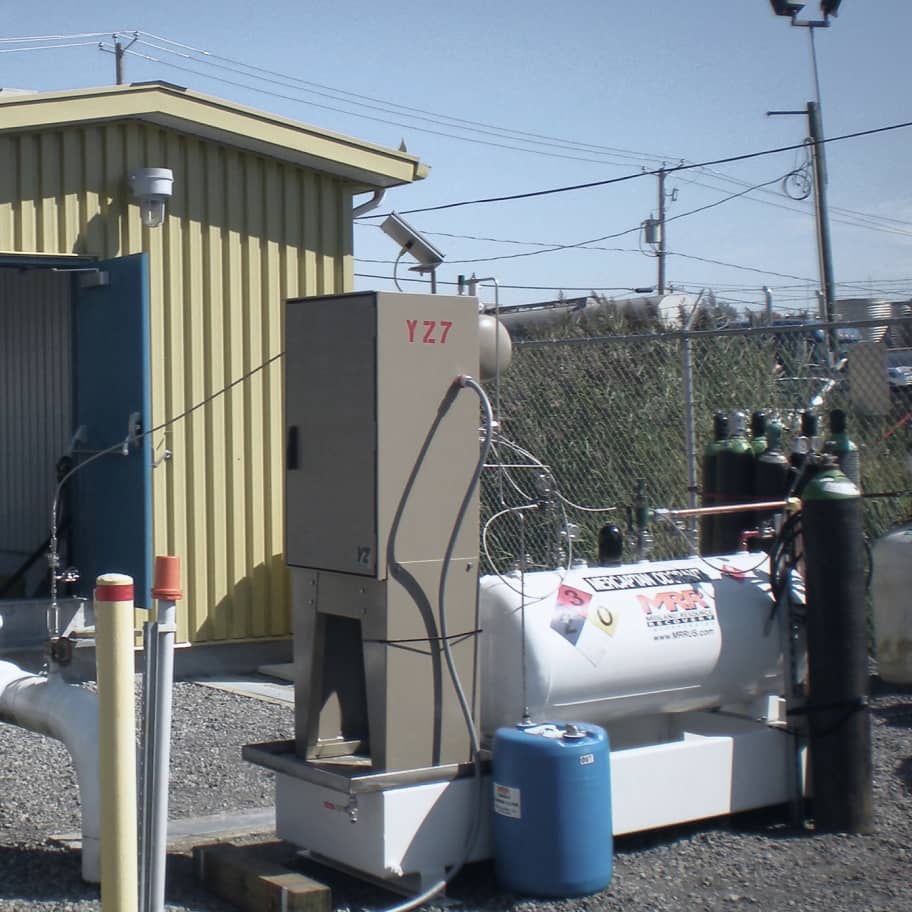
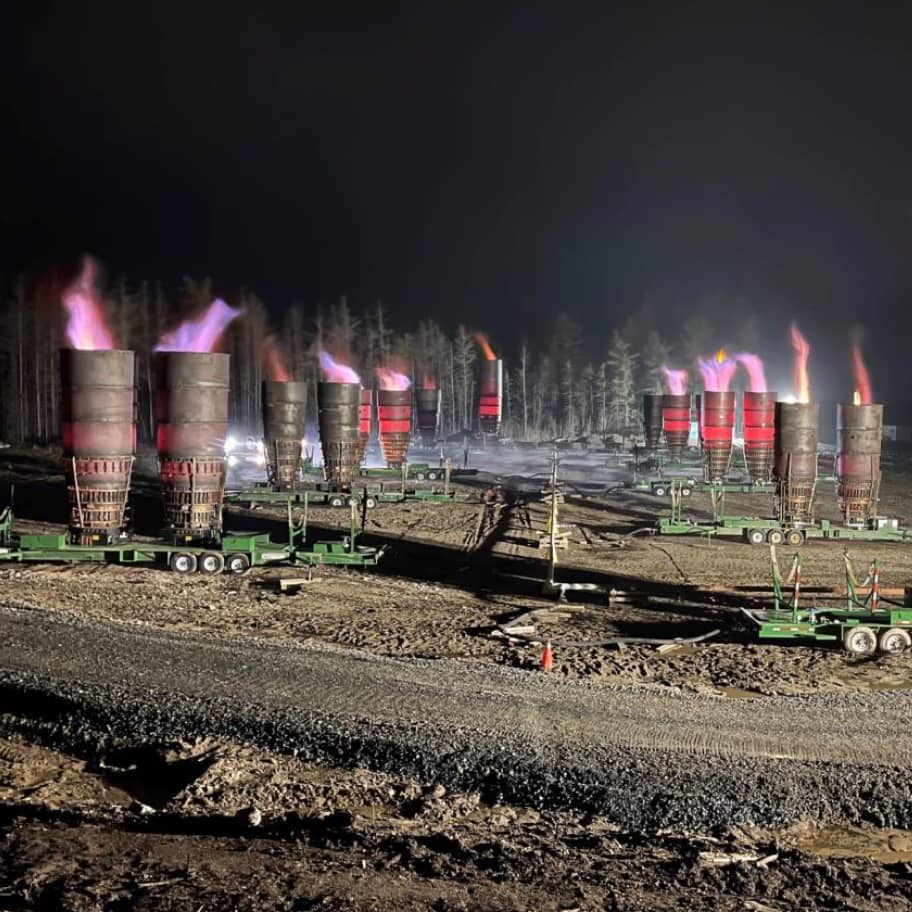
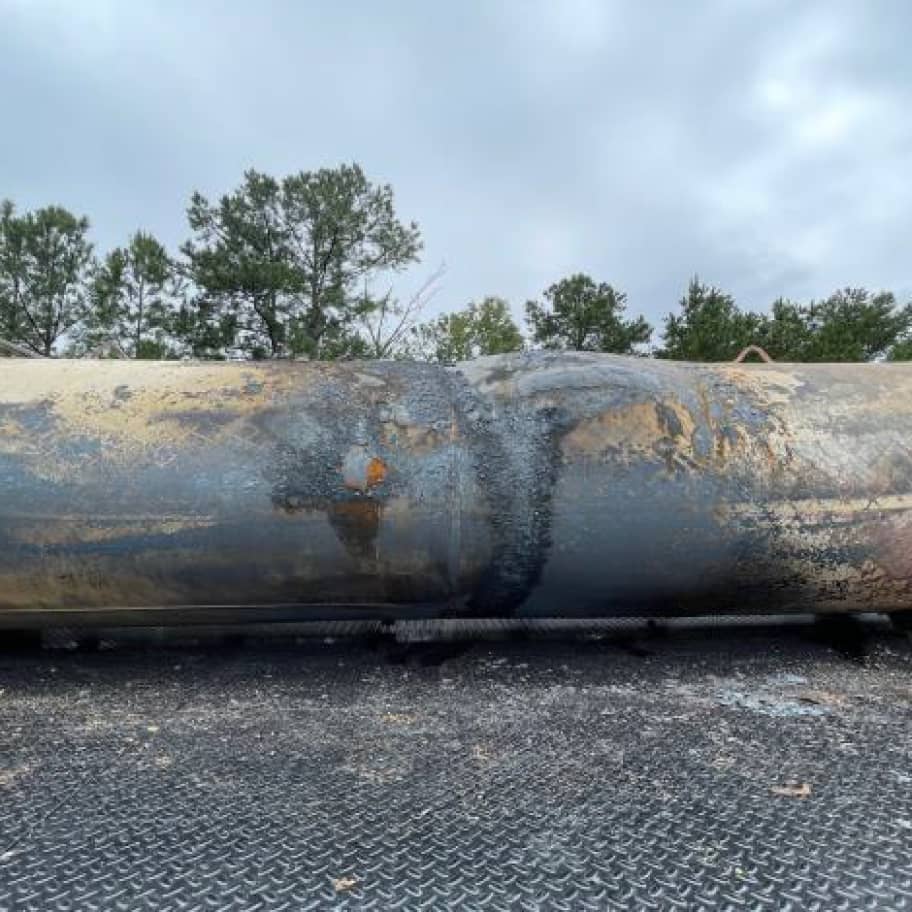
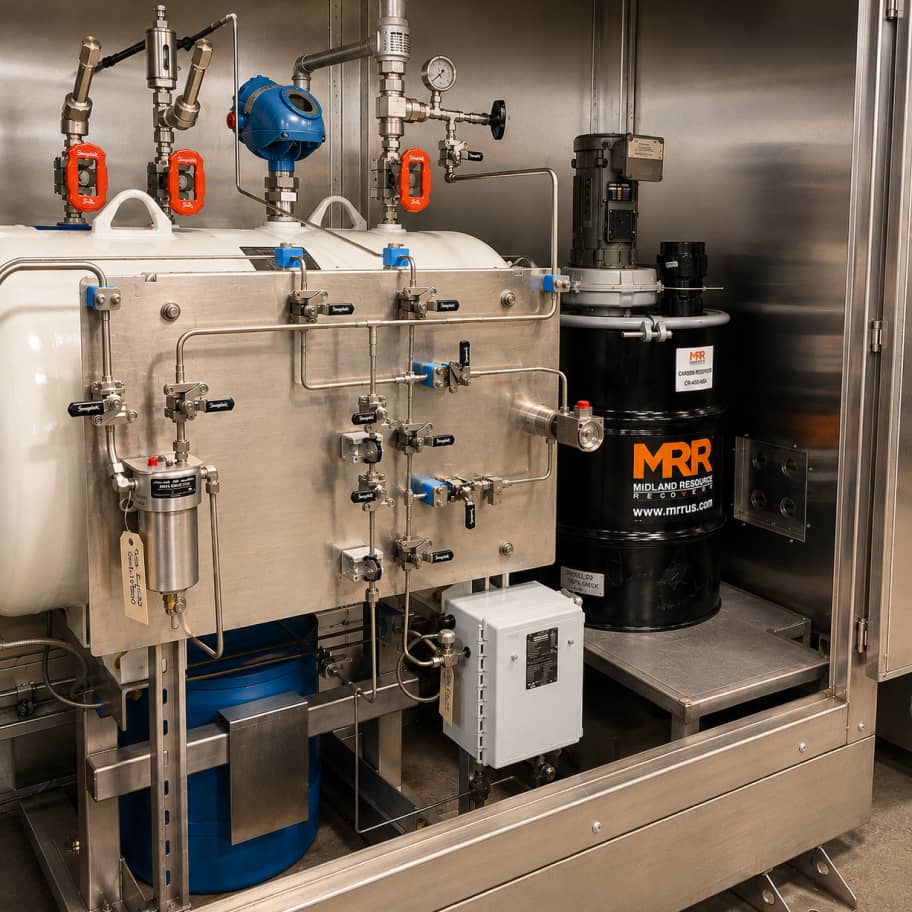
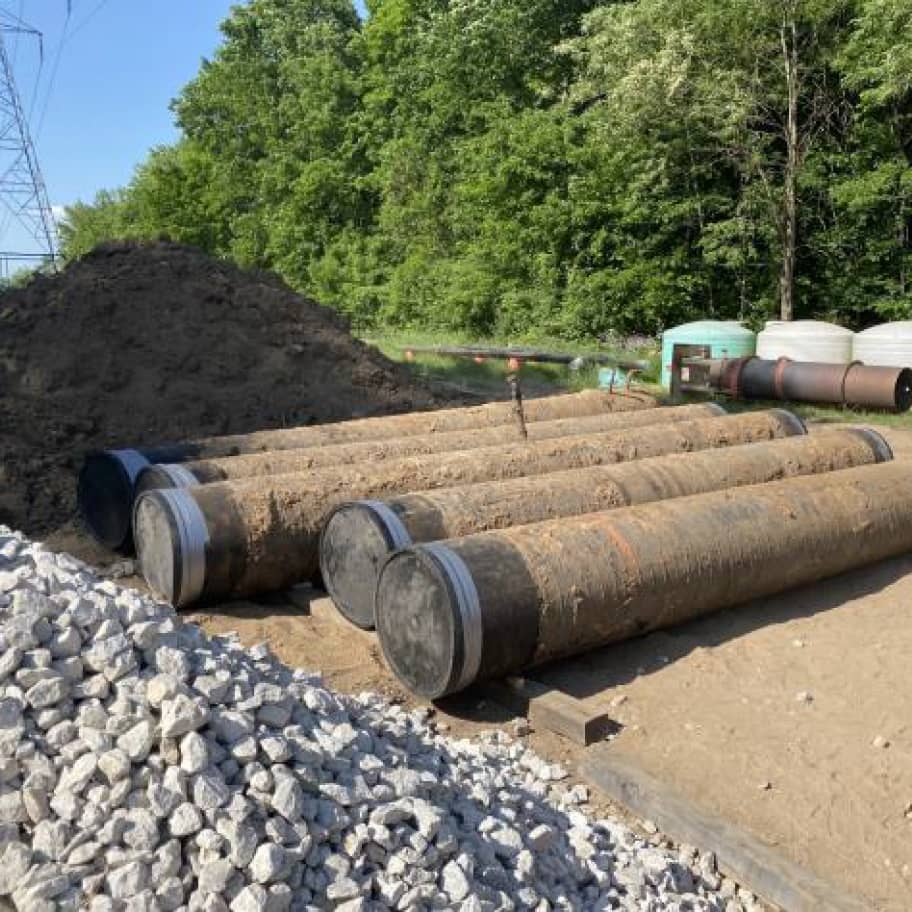
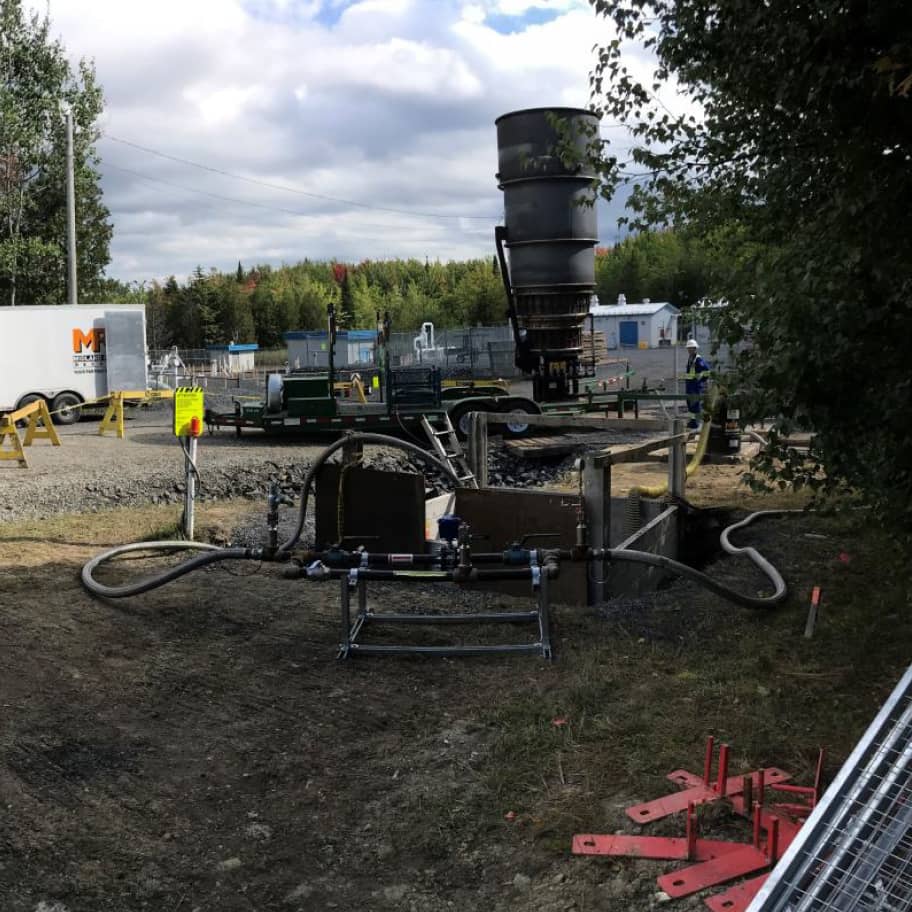
On-site incineration equipment used to drain and treat over-odorized liquid from a 12-inch transmission line in Quebec
Share
Quebec, CAN
12-inch transmission line
Liquid odorant drain and incineration
Two-week response

A natural gas operator in Quebec experienced an over-odorization event on a 12-inch transmission line. Liquid odorant had entered the gas stream in volumes beyond what the line could safely carry, pooled at the low point of the pipeline, and saturated the surrounding section with odorant at concentrations far above the operator’s specification. Continuing to operate the line in that condition would have produced widespread false leak calls in downstream communities, exposed the operator to regulatory scrutiny, and risked equipment damage from the high odorant concentrations.

The operator needed the liquid odorant out of the pipeline. That meant locating the pool, accessing it without disrupting the broader system, draining the recovered material into safe containment, and de-odorizing the affected section before it could be returned to normal service. None of those steps could be performed remotely. The work had to come to the pipeline.

Approach

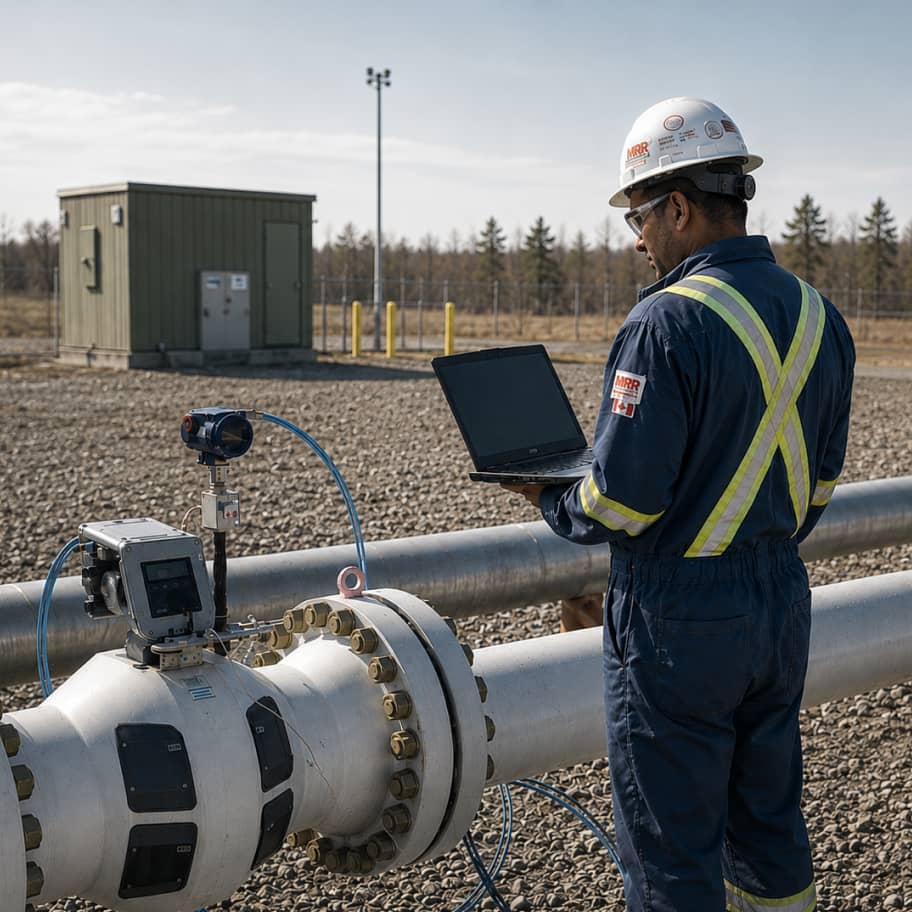
MRR mobilized to the site with the equipment and crews to perform a controlled pipeline drain and de-odorization.

The first task was locating the pool of liquid odorant within the line. Field assessment identified the low point where the liquid had collected. With the location confirmed, the crew excavated the zone to expose the pipe and installed 2-inch taps onto the line at positions selected to provide controlled access to the pooled liquid without compromising the pipe’s integrity.

The recovered odorant was drained from the line through the taps into drums for transport to incineration. The drum-by-drum recovery allowed the crew to track the total volume removed and verify when the pool had been fully drained. Sustained flaring at the site de-odorized the remaining gas in the affected section, bringing concentrations back within the operator’s specification before the line was returned to service.

The work continued for two weeks on site, covering the excavation, tap installation, drain operation, incineration, monitoring, and the restoration work required to close the access points and return the section to operating condition.

Outcome

The liquid odorant was successfully removed from the 12-inch line, the affected section was de-odorized to operator specification, and the pipeline was returned to normal service. The recovered material was transported to a licensed incineration facility. The site was restored, the taps closed, and the operator's section returned to normal monitoring.

The documentation produced through the response — volumes recovered, monitoring data, equipment used, site conditions, and final disposition records — became part of the operator’s incident file. The records support the regulatory follow-up that an over-odorization event of this scale typically generates.

Over-odorization events at transmission scale are not common, but they are exactly the kind of work that requires equipment, crews, and operational discipline that most pipeline contractors do not maintain. The Quebec response was handled end to end by MRR field teams trained for this work.
Upward view of a modern high-rise apartment tower in Manhattan with reflective glass windows and protruding balconies against a blue sky.
Manhattan Odor Fade Resolution

Odor fade in the new gas piping of a Manhattan high-rise, eliminated in two weeks with no odorant intentionally released to the neighborhood.

MRR enclosure tent reading "Your End-to-End Gas Odorization Partner," connected to hoses and blower equipment for an atmospheric-isolated soil excavation, with safety cones in the foreground.
Large Mercaptan Spill Remediated

More than 400 odor calls, seven figures a day in potential lost revenue, and mercaptan underground beside active waterways.

Small tan modular gas odorization building connected to storage tanks and piping at a rural renewable natural gas site, with utility poles in the background.
RNG Building, 3-Month Commission

A modular RNG odorization building, manufactured off-site and commissioned at a Quebec injection point on a three-month schedule.

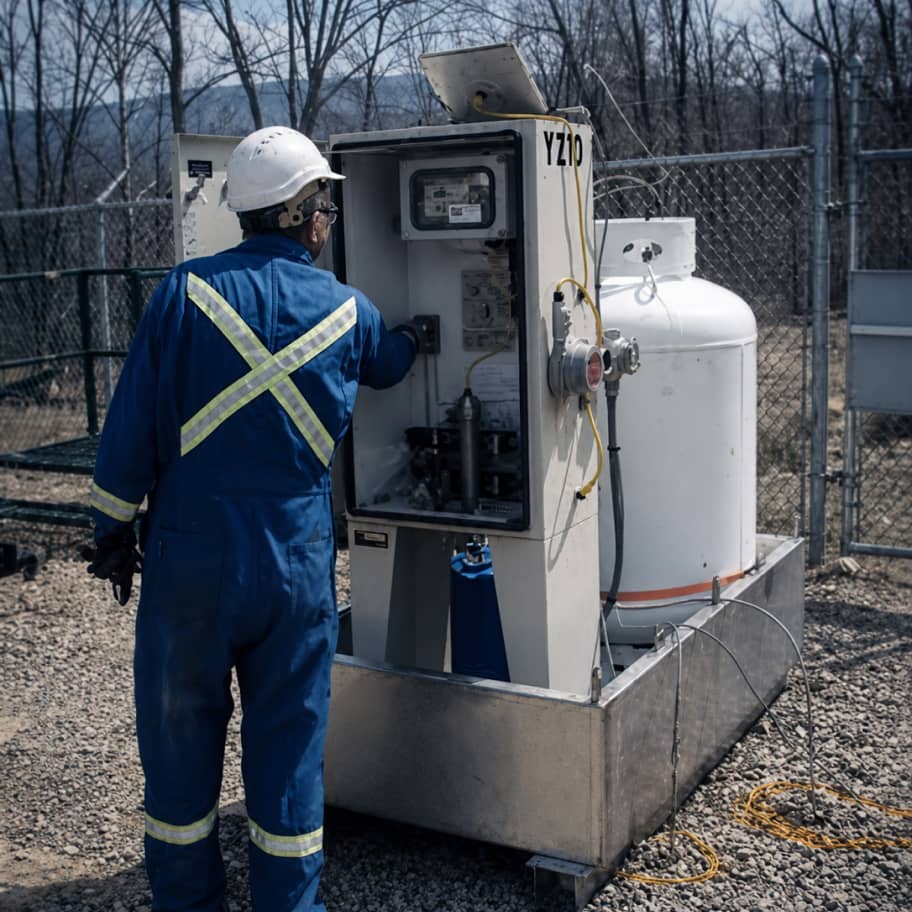
Technician in blue coveralls with reflective safety striping adjusting a temporary gas odorization skid and tank at a fenced outdoor site.
Emergency Temporary Odorization

Maintaining odorization compliance for three months while a failed permanent system was redesigned, fabricated, and installed.

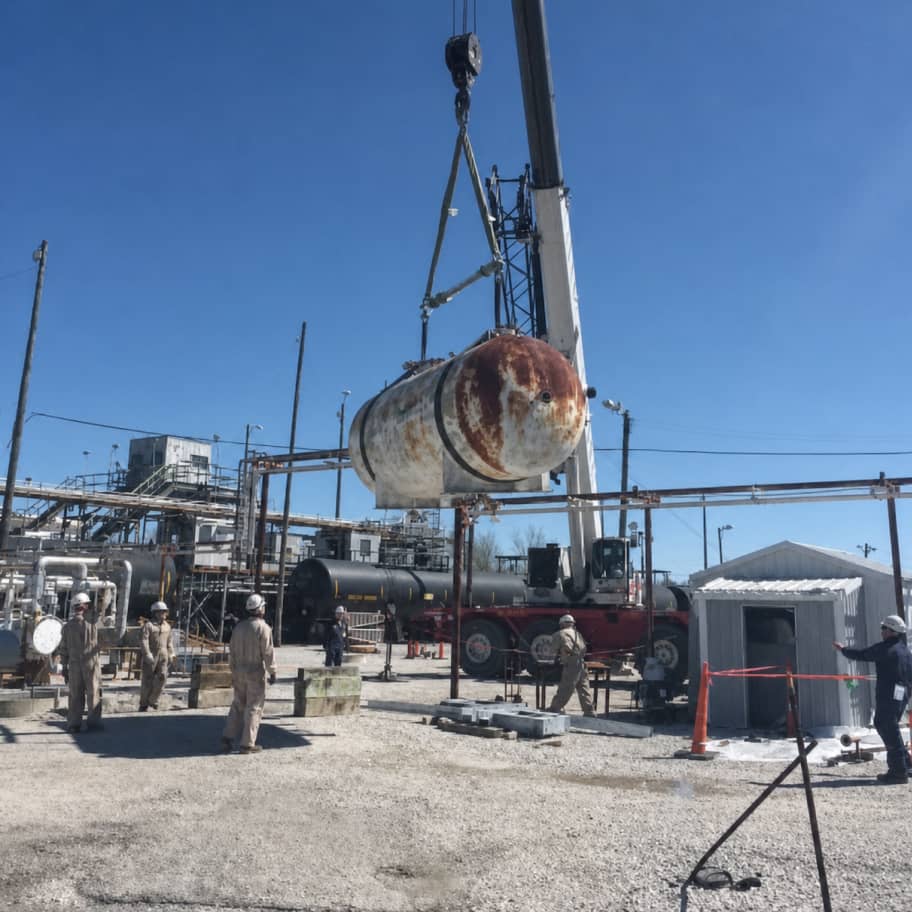
Refinery storage tank being decommissioned at an industrial site in Illinois.
5,000-Gallon Tank Decommissioning

Replacing a 5,000-gallon ethyl mercaptan tank at a refinery, with 1,800 gallons of odorant held and returned to service.

On-site incineration equipment used to drain and treat over-odorized liquid from a 12-inch transmission line in Quebec
12-Inch Odorant Drain and Incineration

Excavating, tapping, and draining liquid odorant from a 12-inch transmission line — two-week response with on-site incineration.

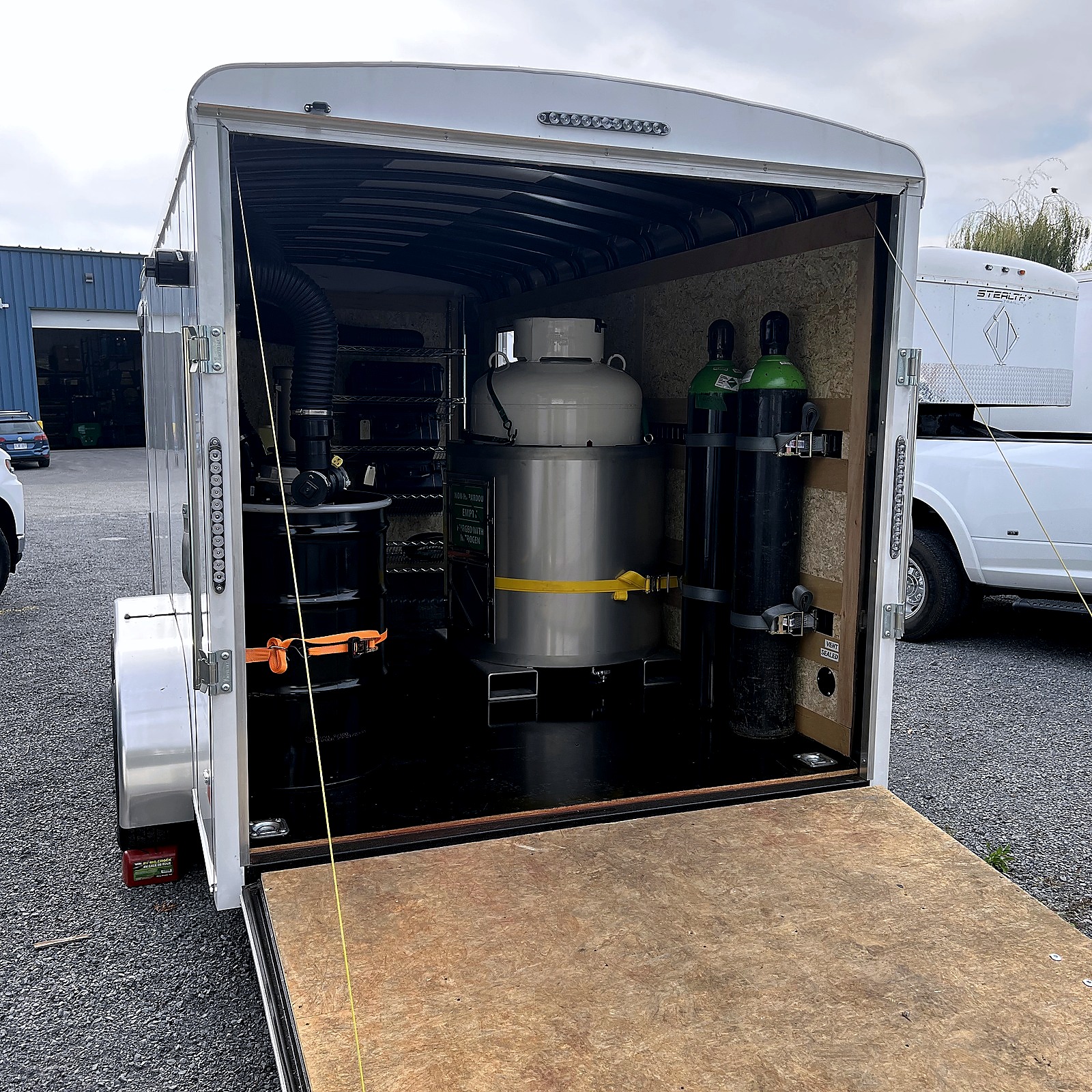
C1D1-rated dual-odorizer trailer, a custom-built mobile gas odorization unit, at an industrial site in Illinois.
C1D1 Dual-Odorizer Trailer

A dual-odorizer trailer with integrated filtration, flow telemetry, and C1D1-rated systems — 20 weeks from order to delivery.

Row of portable flare units operating at night to generate flow for an inline pipeline inspection campaign in northern Ontario
Six-Week Flow Generation

Portable flow generation supporting an inline inspection campaign in northern Ontario — 12 to 16 hours a day across six weeks.

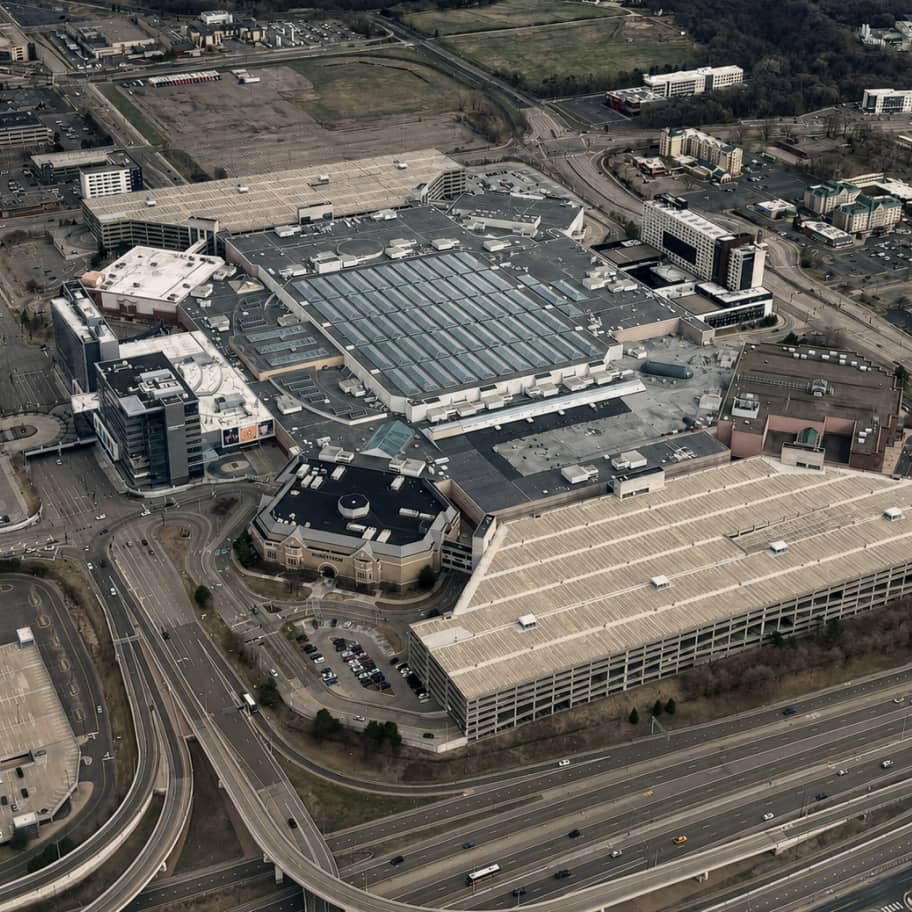
Natural gas pipeline conditioning equipment at a shopping mall construction site in New Jersey.
New Jersey Mall Gas Line Conditioning

Conditioning new gas lines inside a mall under construction — with continuous monitoring that surfaced previously undetected leaks.

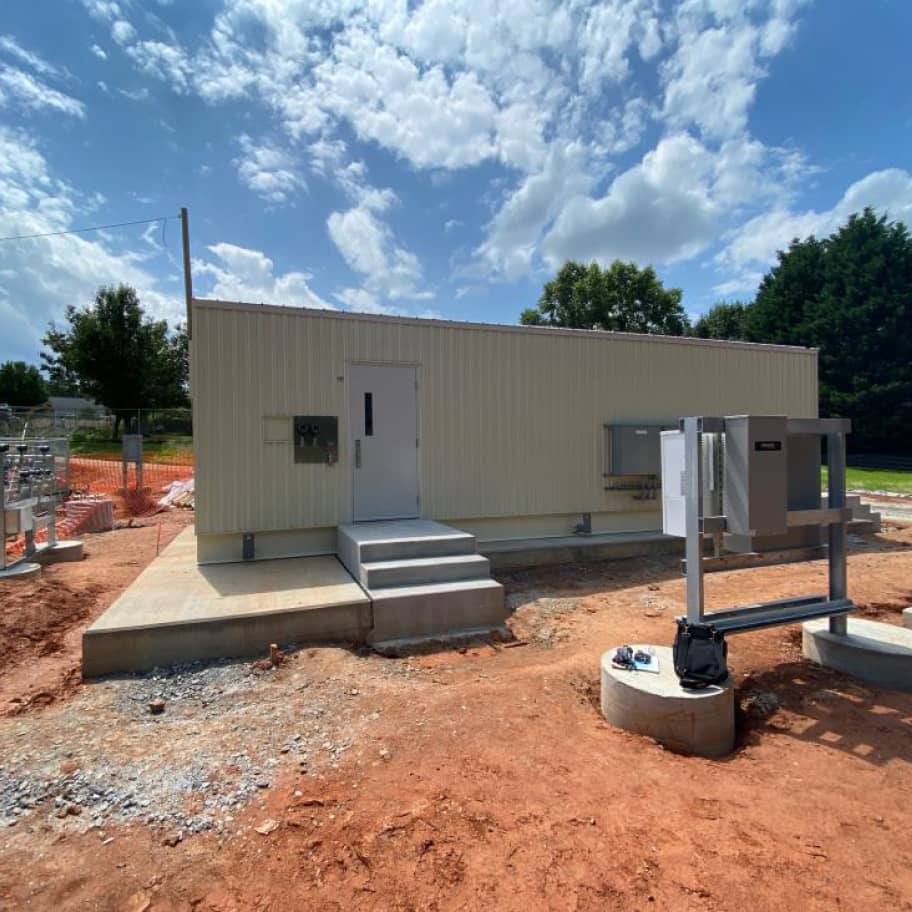
1,000-gallon modular gas odorization building installed at a site in Georgia.
1,000-Gallon Modular Building

A 1,000-gallon modular odorization building, fabricated at the MRR shop and set on its foundation as a single integrated unit.

Natural gas odorization equipment being decommissioned across four stations at a site in Nebraska.
Four-Station Retirement, 2,300 Gal.

Retiring odorization infrastructure across four stations, recovering 2,300 gallons of odorant for continued service.

Storage tanks being decommissioned following a lightning-strike fire at a natural gas site in Alabama.
Three-Tank Decommissioning

Stabilizing and decommissioning three tanks damaged in a suspected lightning-strike fire, four days from mobilization to closure.

Renewable natural gas odorization system engineered and commissioned at a site in Ontario.
5-Month RNG Commission

Custom design, manufacturing, and commissioning of a renewable natural gas odorization system, delivered in five months end to end.

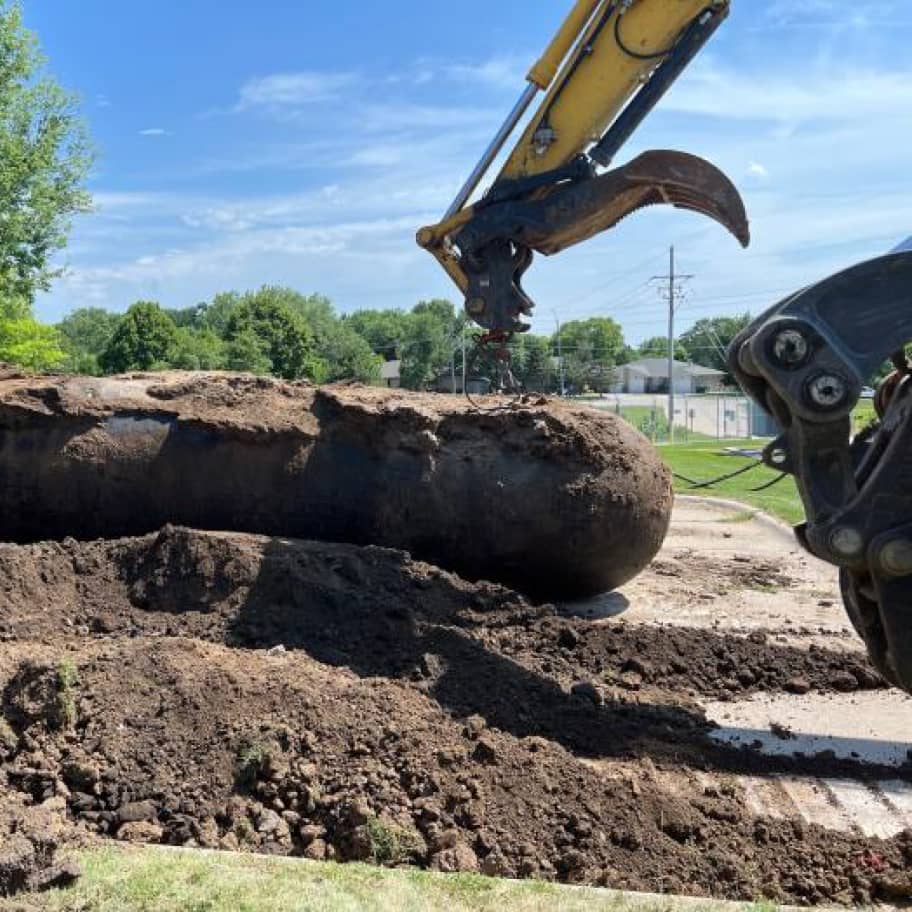
1980s-era underground storage tank being cut down and removed at a site in Michigan.
1980s Tank Removal

Removing a 1980s-era underground bulk odorant tank too large to transport — treated and cut down for removal entirely on site.

36-inch natural gas transmission line during a pipeline pickling operation at a site in Texas.
36-Inch, 10-Week Pickling at 850 psig

Conditioning a new 36-inch, 64-mile transmission pipeline over 10 weeks of continuous online pickling at 850 psig.