News & Insights

Insights, Press, Events & More

Filter +
Sort by
Date
Rainbow effect caused by reflection of oil spill off dark surface
Insights
June 17, 2026
Building an Odorant Spill Response Plan

Most utilities have a hazardous materials response plan on file.

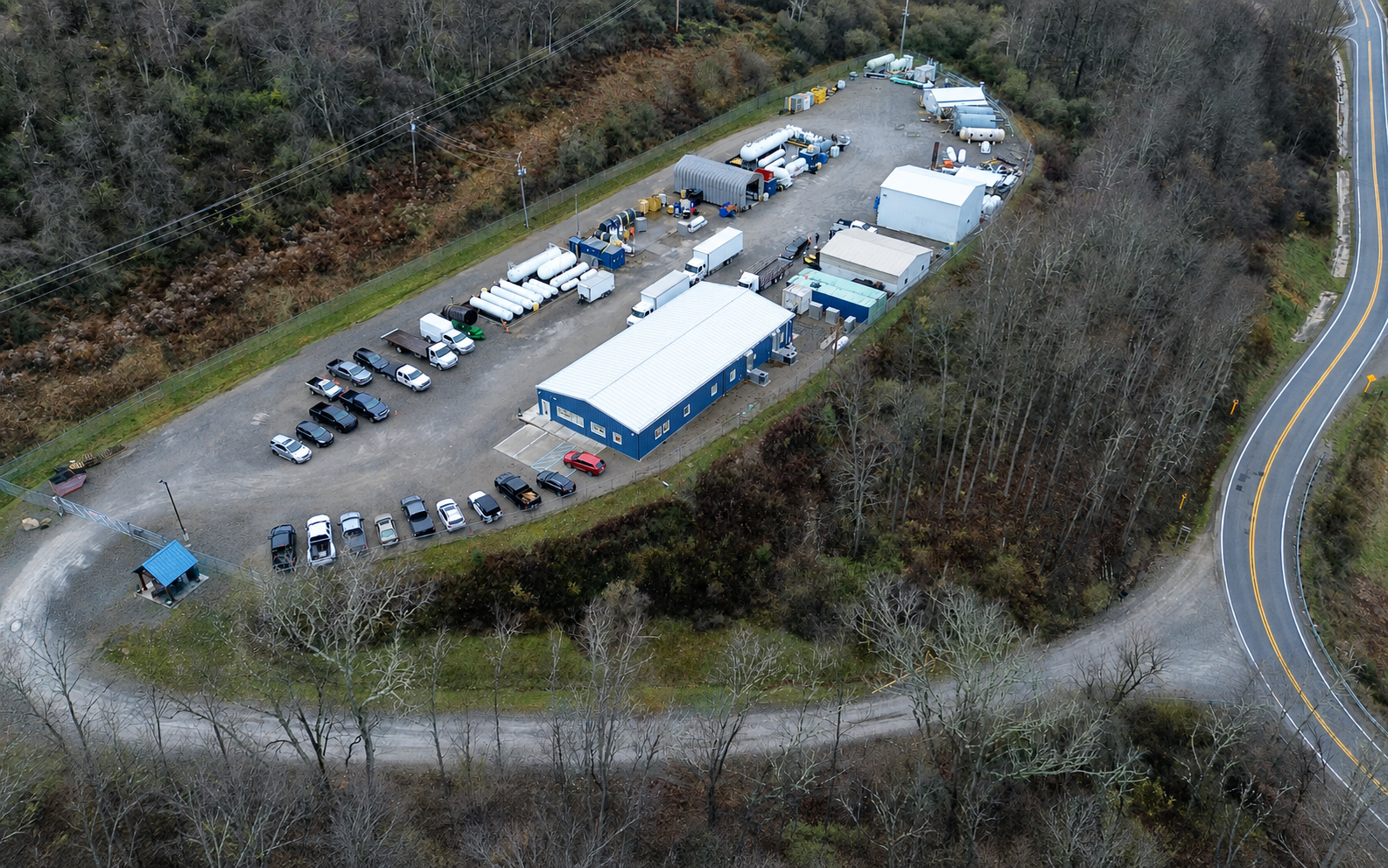
Distant view of Philipi, West Virginia, USA
Insights
May 26, 2026
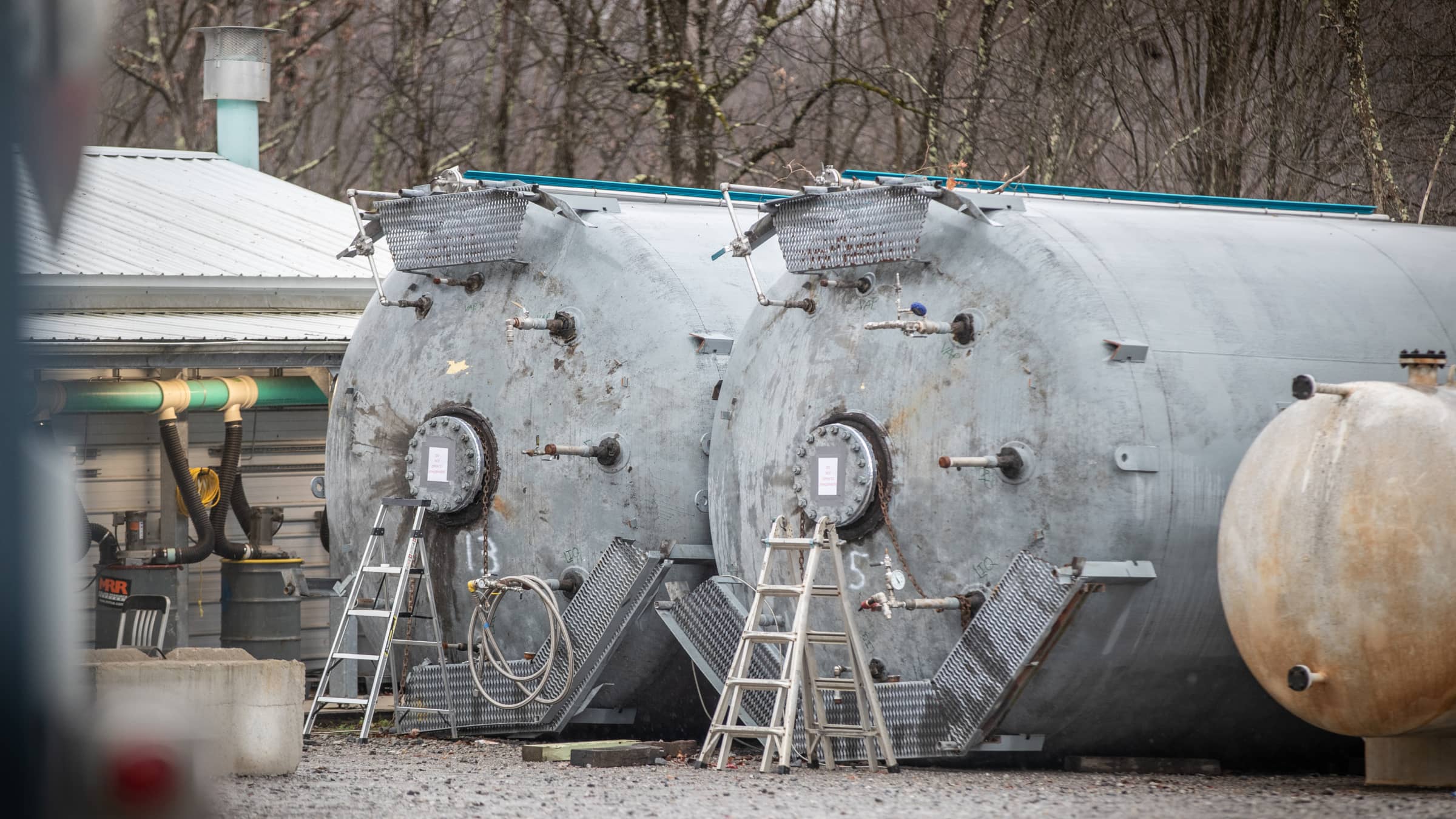
What Happens to Decommissioned Odorant Equipment at the Philippi Facility

When a utility decommissions an odorizer station, the equipment that comes off the site is not finished.

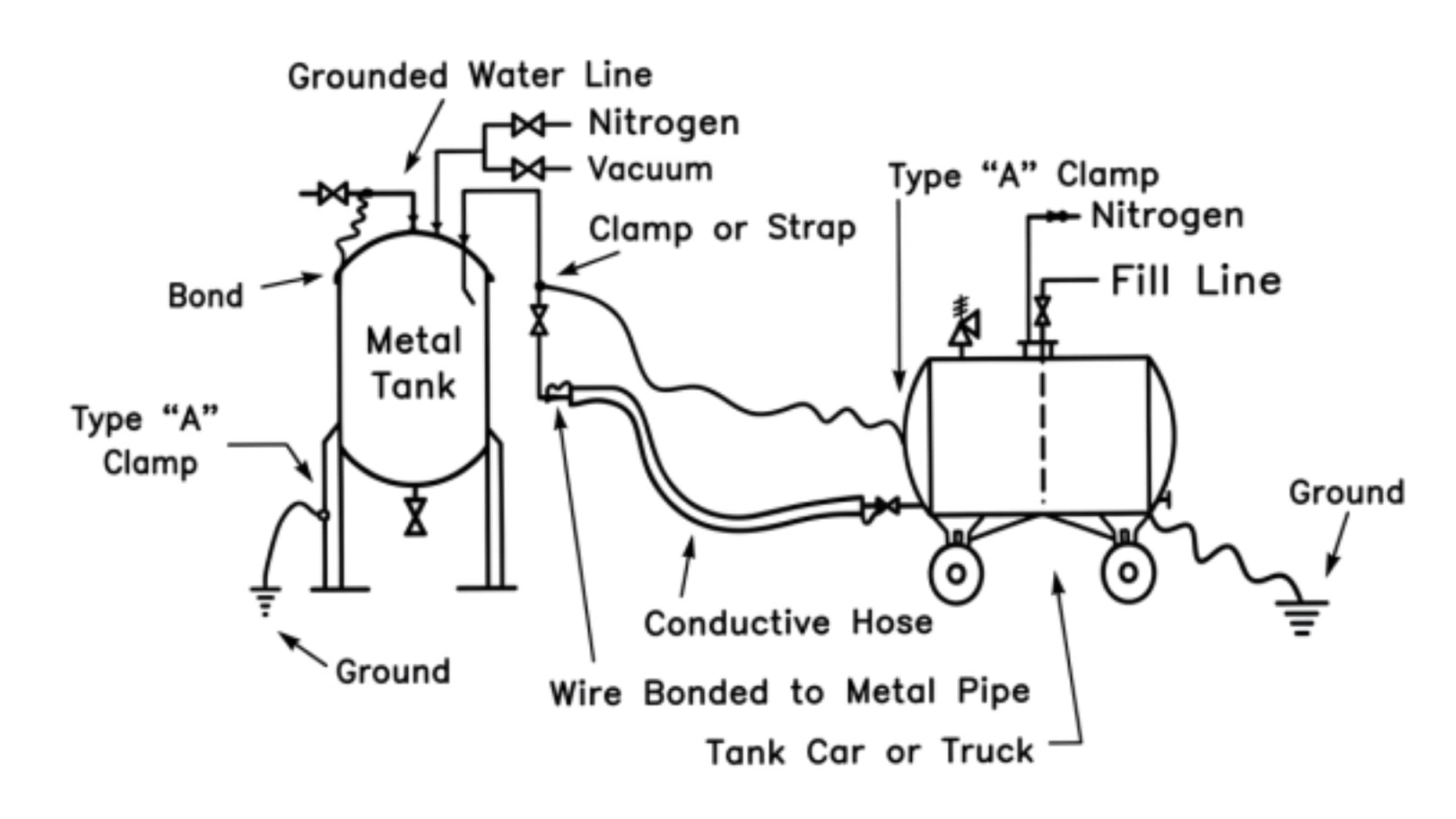
MRR grounding diagram
Insights
May 4, 2026
Bonding and Grounding When Handling Mercaptan

Mercaptan is flammable. Its vapors form ignitable mixtures with air across a wide concentration range, and the ignition energy required to set those mixtures off is low.

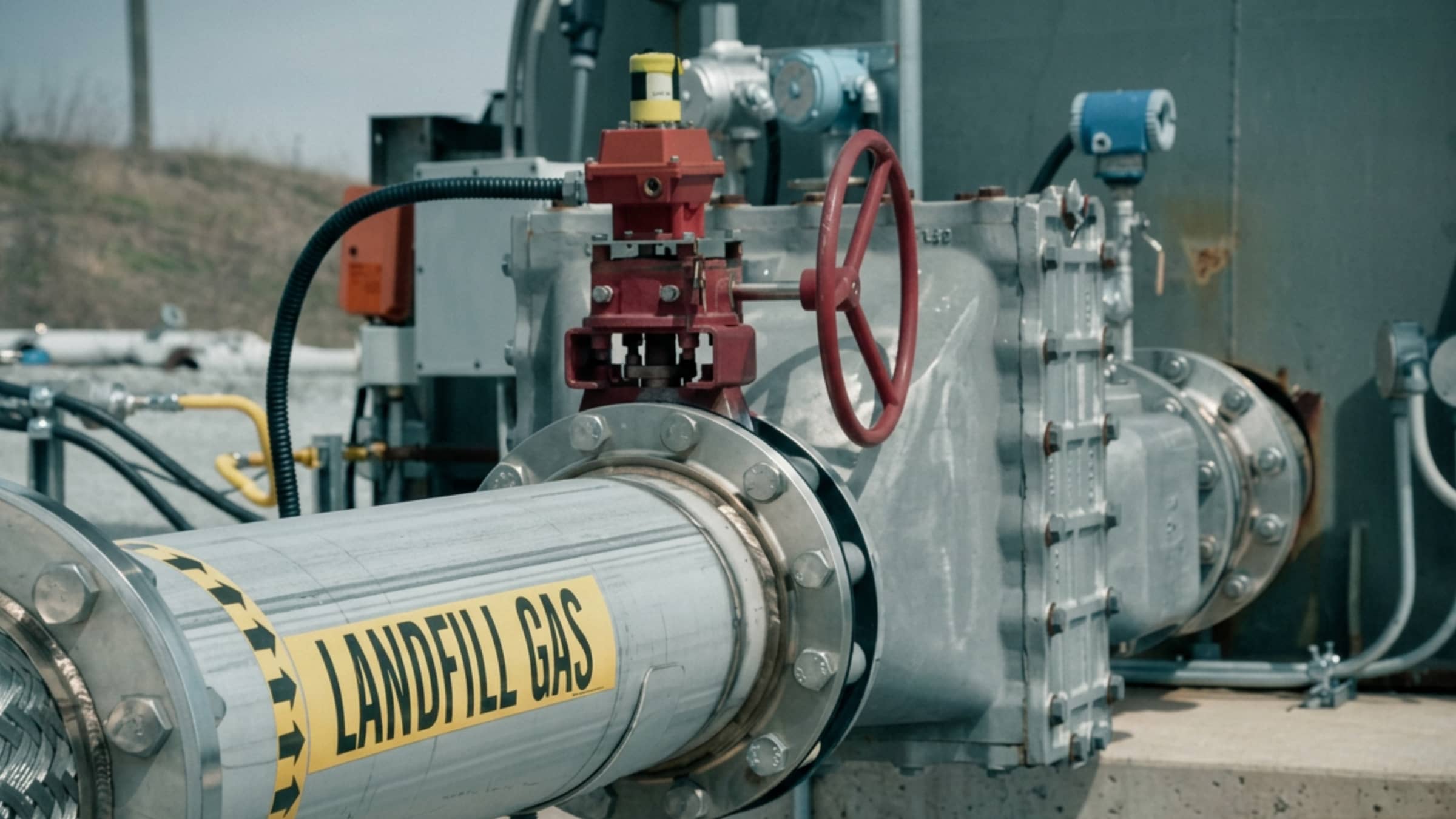
A pipeline coming into a yard with a valve wheel and sign stating "Landfill Gas"
Insights
April 14, 2026
Why RNG Project Growth Is Pulling Odorization Demand With It

Renewable natural gas has moved from policy curiosity to procurement question.

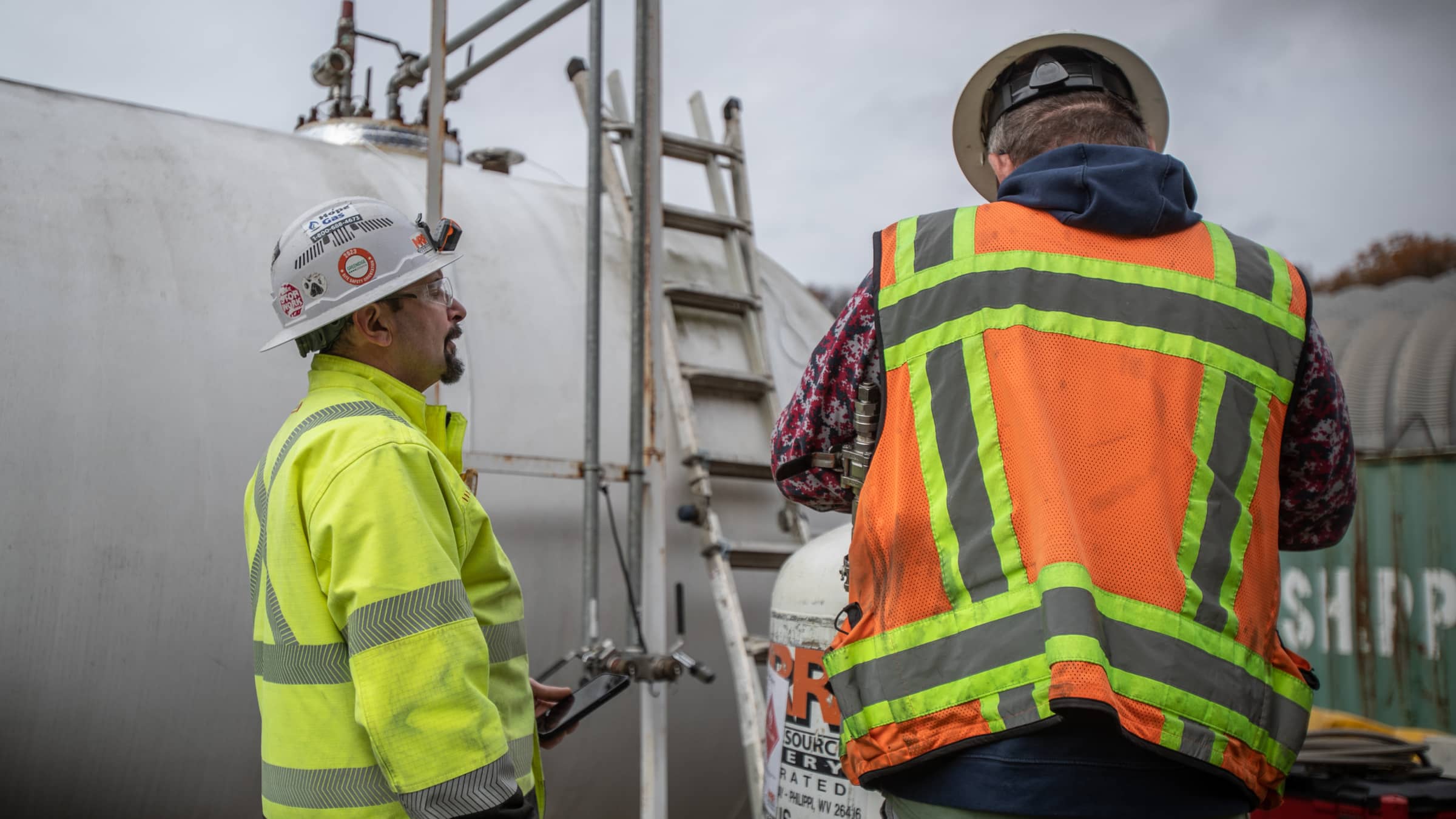
Two men wearing safety equipment talking near tank
Insights
March 24, 2026
Pipeline Pickling and Odor Fade: Conditioning New Steel Lines Before Service

A new natural gas pipeline does not behave like an old one.

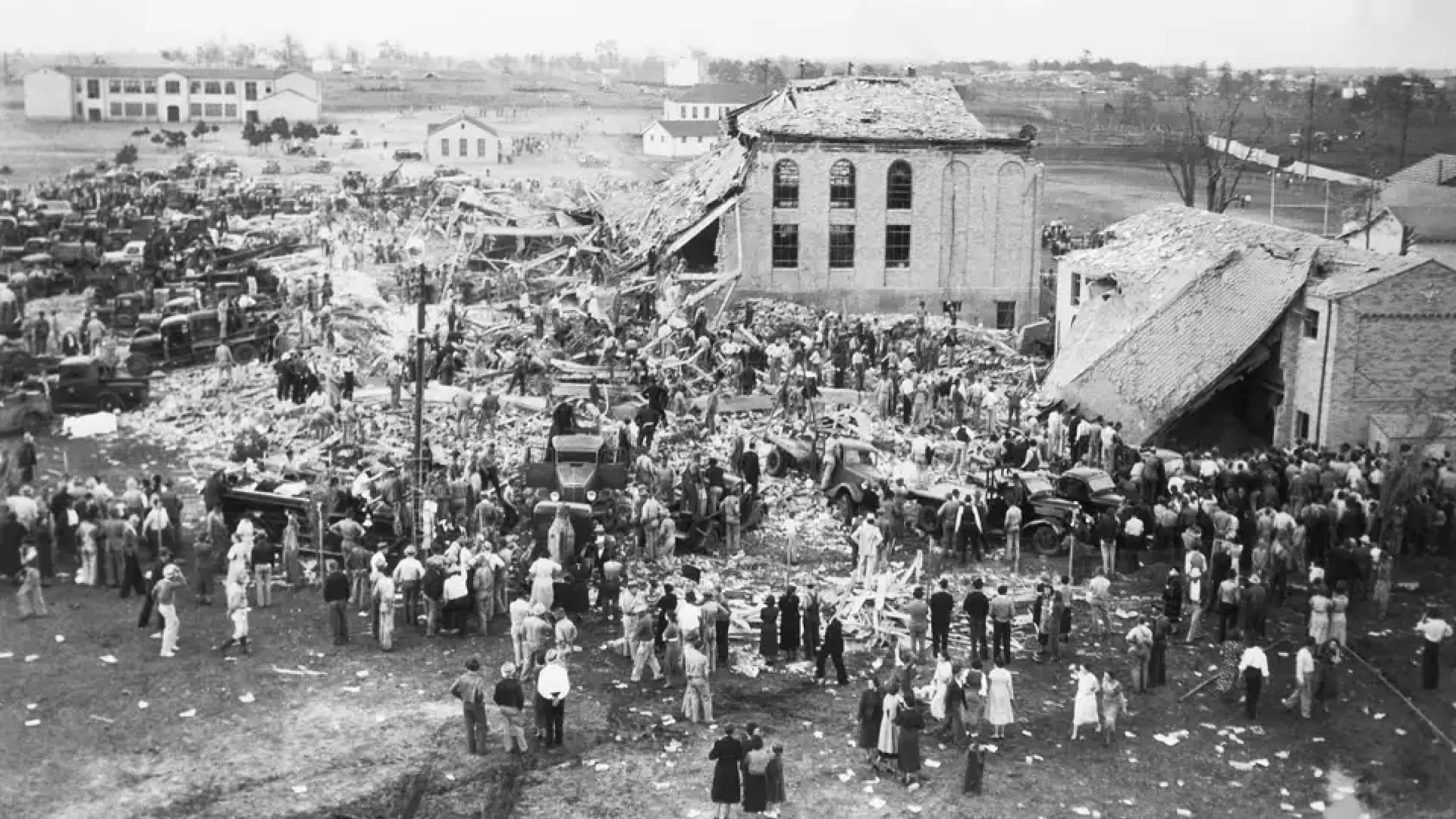
Historical black-and-white photograph from the 1937 New London school explosion
Insights
March 3, 2026
The 1937 New London School Explosion and the Evolution of Gas Odorization Rules

At 3:17 in the afternoon on March 18, 1937, a shop teacher at the London School in New London, Texas, turned on an electric sander.

Natural gas odorization equipment used to maintain regulatory detectability standards.
Insights
August 3, 2026
Reading 49 CFR 192.625: An Engineer’s Guide to the Odorization Standard

Many operators who move combustible gas through a distribution line in the United States work under one paragraph of federal regulation: 49 CFR 192.625.

Leave Nothing to Chance

For your next job, trust the team that has been setting the standard in gas odorization since 1996.