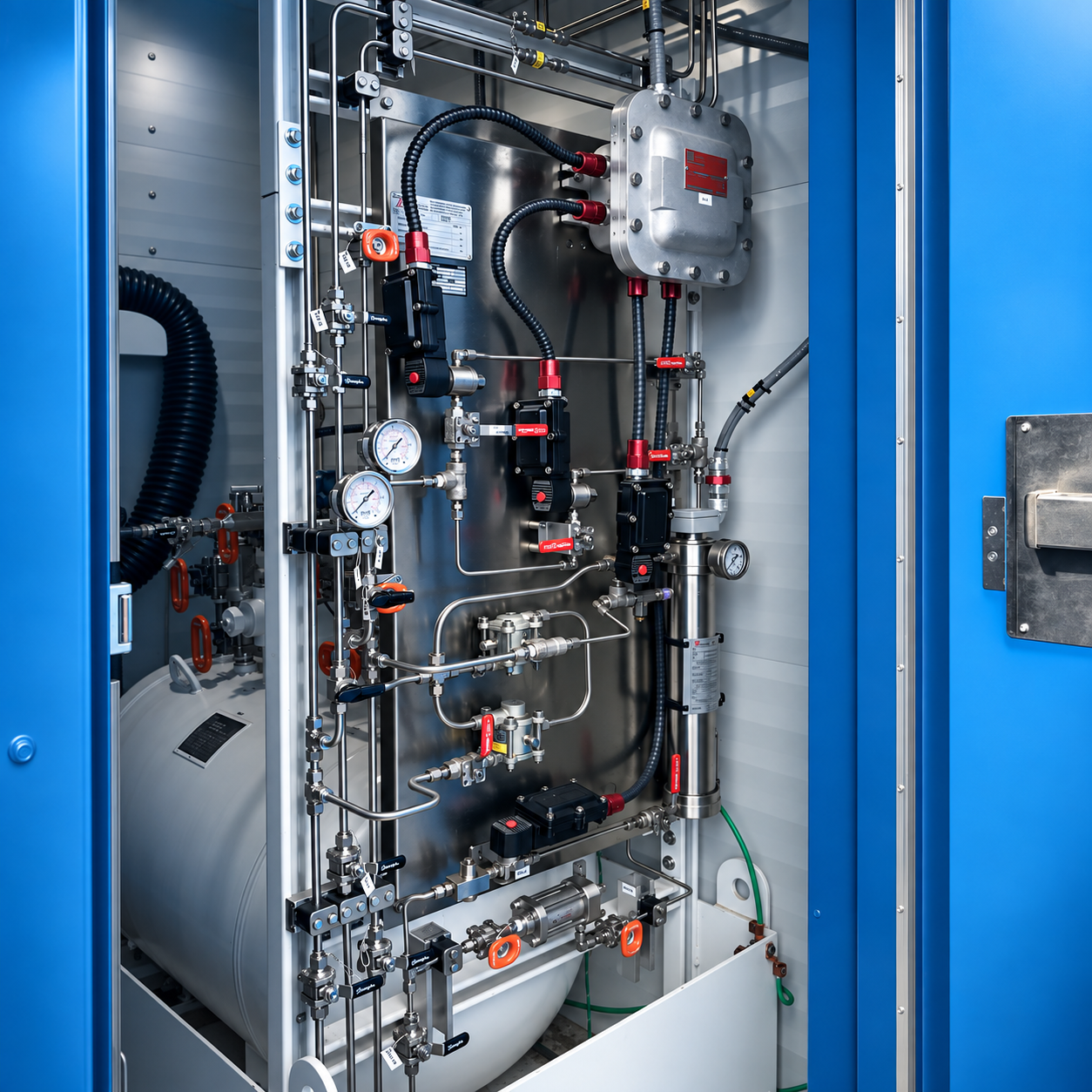
When a utility decommissions an odorizer station, the equipment that comes off the site is not finished. It is contaminated with mercaptan residue that will continue to off-gas for years if left untreated. It cannot go to a general scrap yard. It cannot be landfilled. It cannot be stored indefinitely without becoming a community odor complaint. Somewhere between the customer site and the recycling stream, the equipment has to be processed by someone who knows what they are looking at.
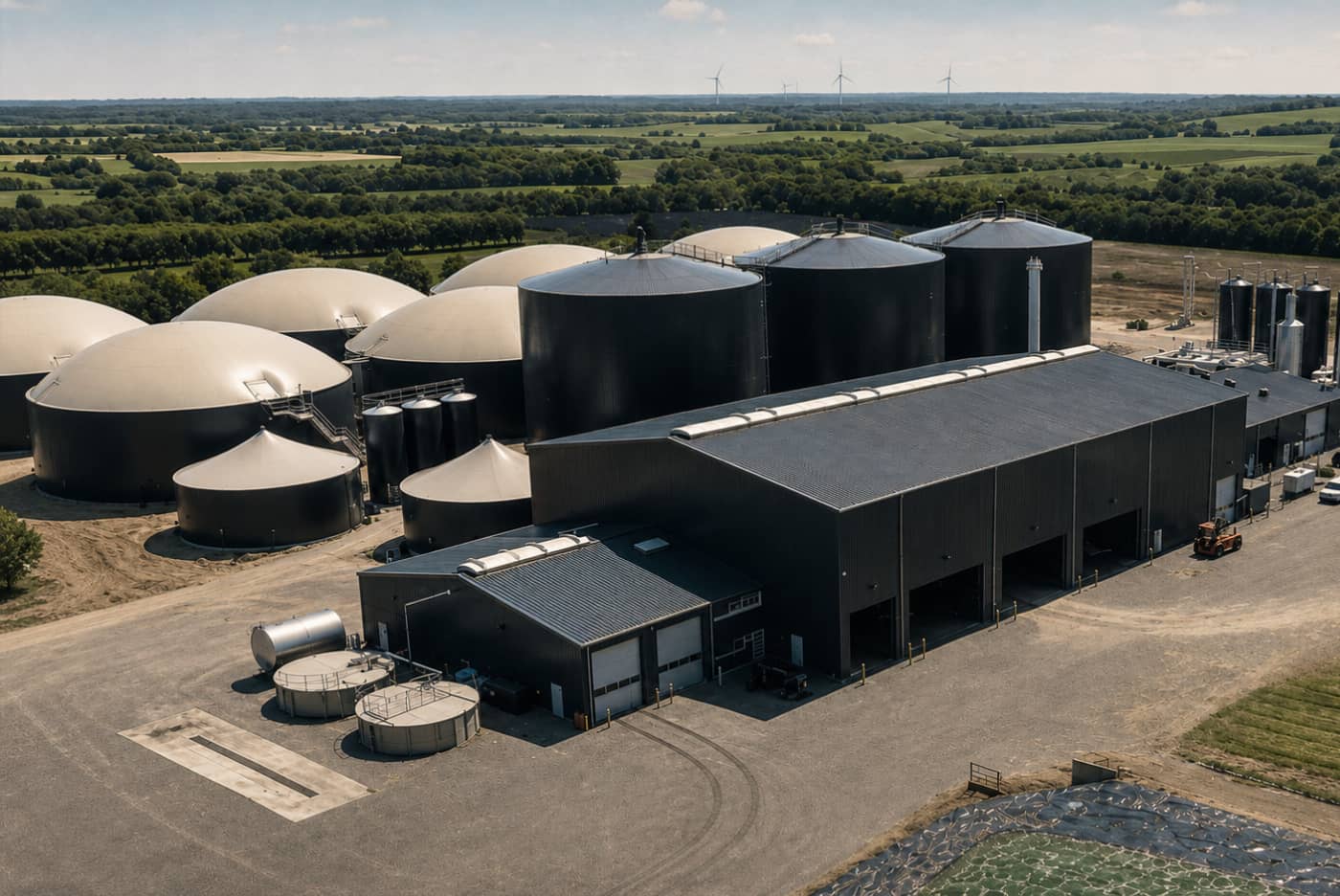
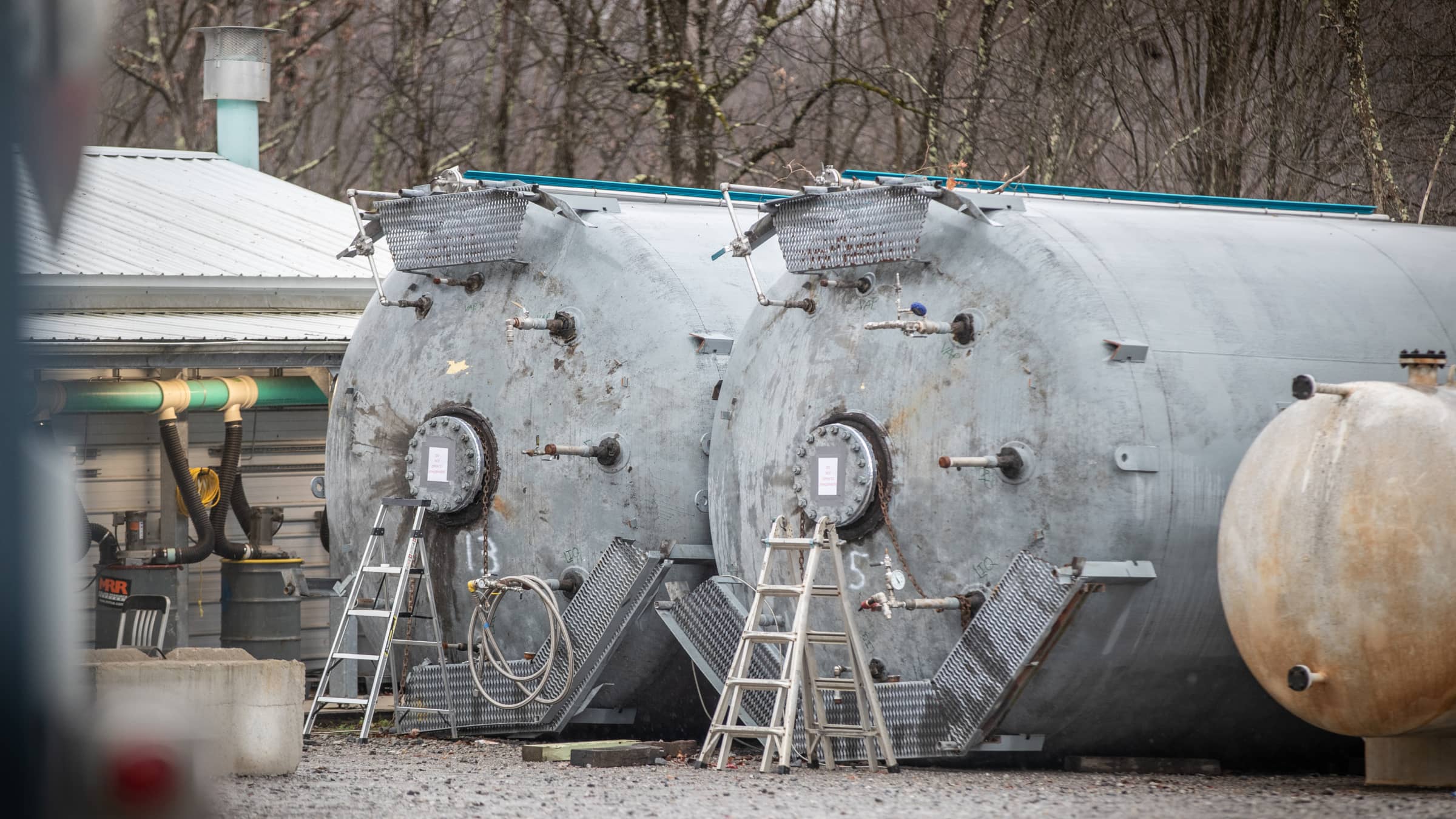
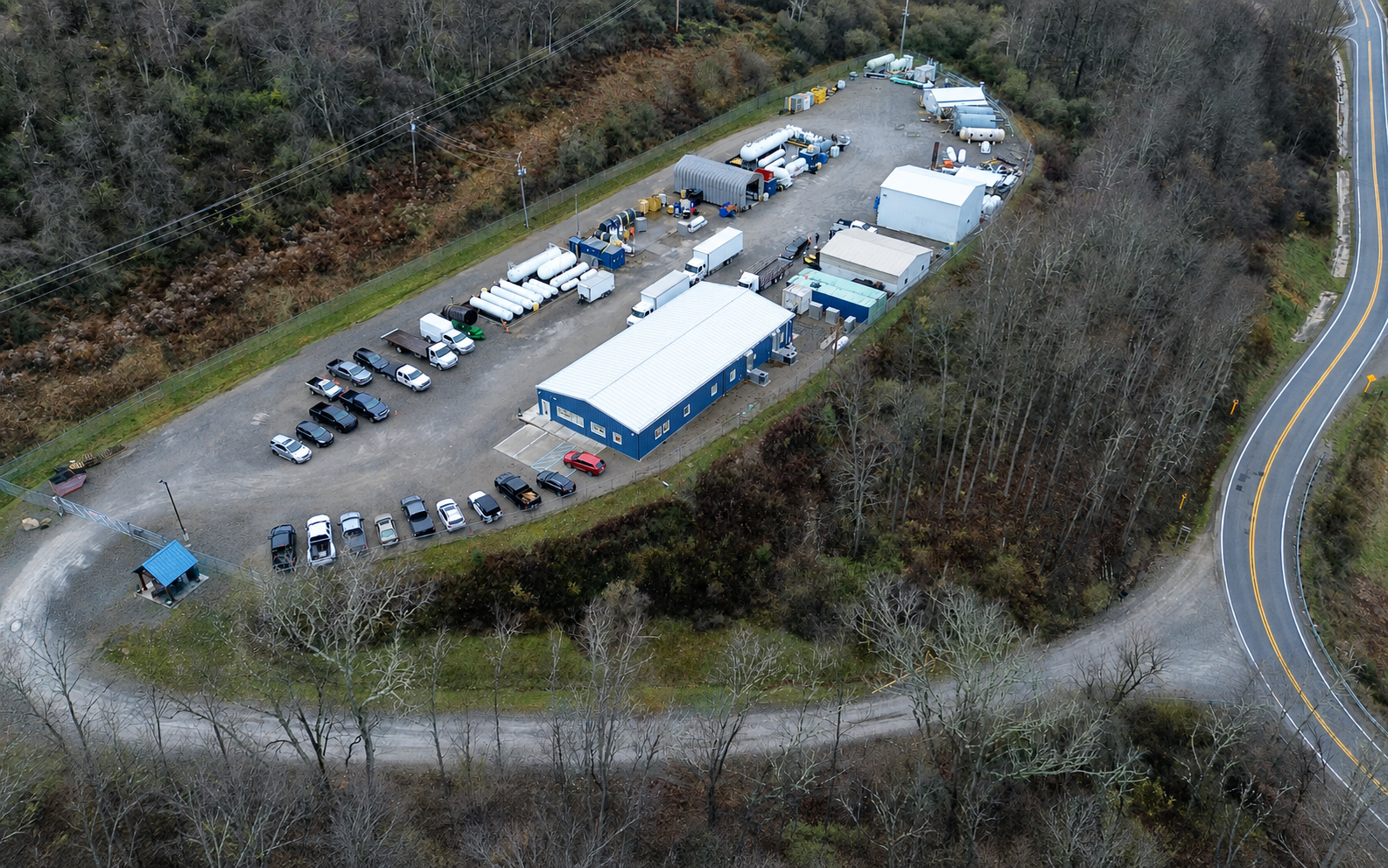
Since 1996, that somewhere has been the MRR processing facility in Philippi, West Virginia. The plant is one of a small number of facilities configured this way in North America, and what happens there is the back half of the decommissioning service we provide to utilities across the continent. This article describes the process.
Why off-site treatment exists
A few reasons explain the existence of a dedicated processing facility for this work.
The first is regulatory. EPA underground storage tank rules under 40 CFR 280, the 2015 revisions to those rules, state program approval regulations, and the Department of Transportation requirements for transporting hazardous material together create a documentation chain that follows decommissioned equipment from the point of removal to its final disposition. Closing that chain requires a destination that can demonstrate compliance at each step. A general scrap yard cannot.
The second is technical. Mercaptan is absorbed into tank steel, into gaskets, into pump seals, into the porous interior surfaces of valves and fittings. Surface cleaning at the customer site reduces the odor but does not eliminate it. The equipment continues to release mercaptan into the air for months or years afterward, at concentrations easily detectable by neighbors. Proper treatment requires sustained processing in a controlled environment.
The third is practical. The equipment that comes off an odorizer station includes tanks, pumps, panels, piping, valves, and ancillary hardware. Different components require different handling. A tank may need to be cut for processing. A pump can be disassembled. A pressure vessel needs to be depressurized and verified empty before any cutting begins. The Philippi facility is built for the full range of work that this variety of equipment requires.
What happens when equipment arrives
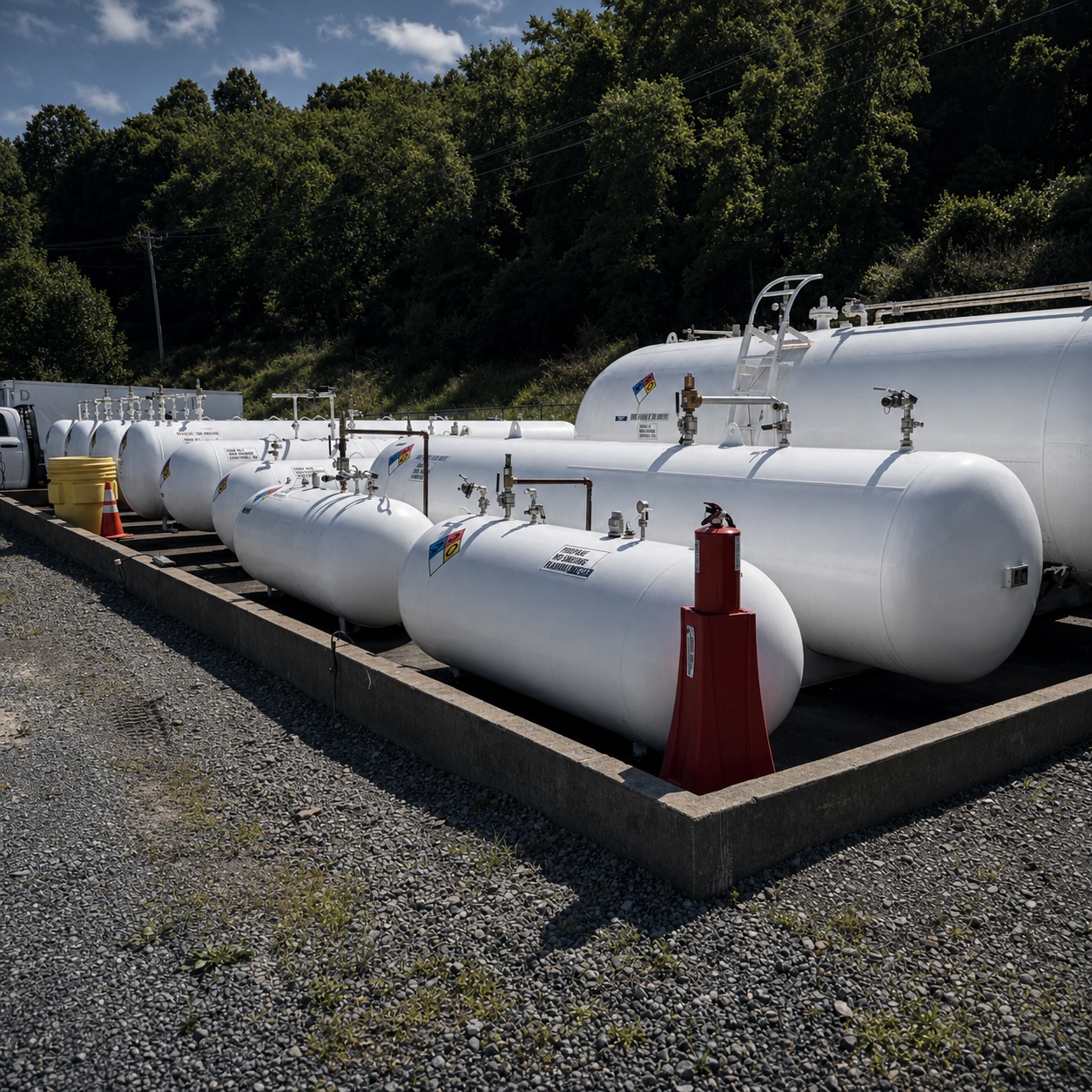
Decommissioned equipment arrives at Philippi in sealed containers rated to prevent leakage during transport: either bulk transport for large pressure vessels or marine-style sealed containers for smaller components. The use of sealed containers in transport is not optional. Equipment that has been drained at the customer site still contains residual liquid and absorbed odorant. Open transport would create odor complaints along the route and would not meet DOT requirements for the load classification.
The receiving process at Philippi starts with inspection and inventory. Each piece of equipment is matched against the manifest from the originating site. Photographs are taken for the customer’s project file. The receiving documentation captures the equipment’s condition on arrival, which is the baseline for any later questions about chain of custody.
The equipment is then staged in the yard for processing. The yard is graded to contain any residual liquid release, with secondary containment under all staging positions. Atmospheric monitoring runs continuously across the site, with alarms that trigger if mercaptan levels in air exceed action thresholds.
The de-odorization process
The core of the operation at Philippi is the de-odorization of contaminated steel. The process is proprietary in its specifics but the general approach is straightforward to describe.
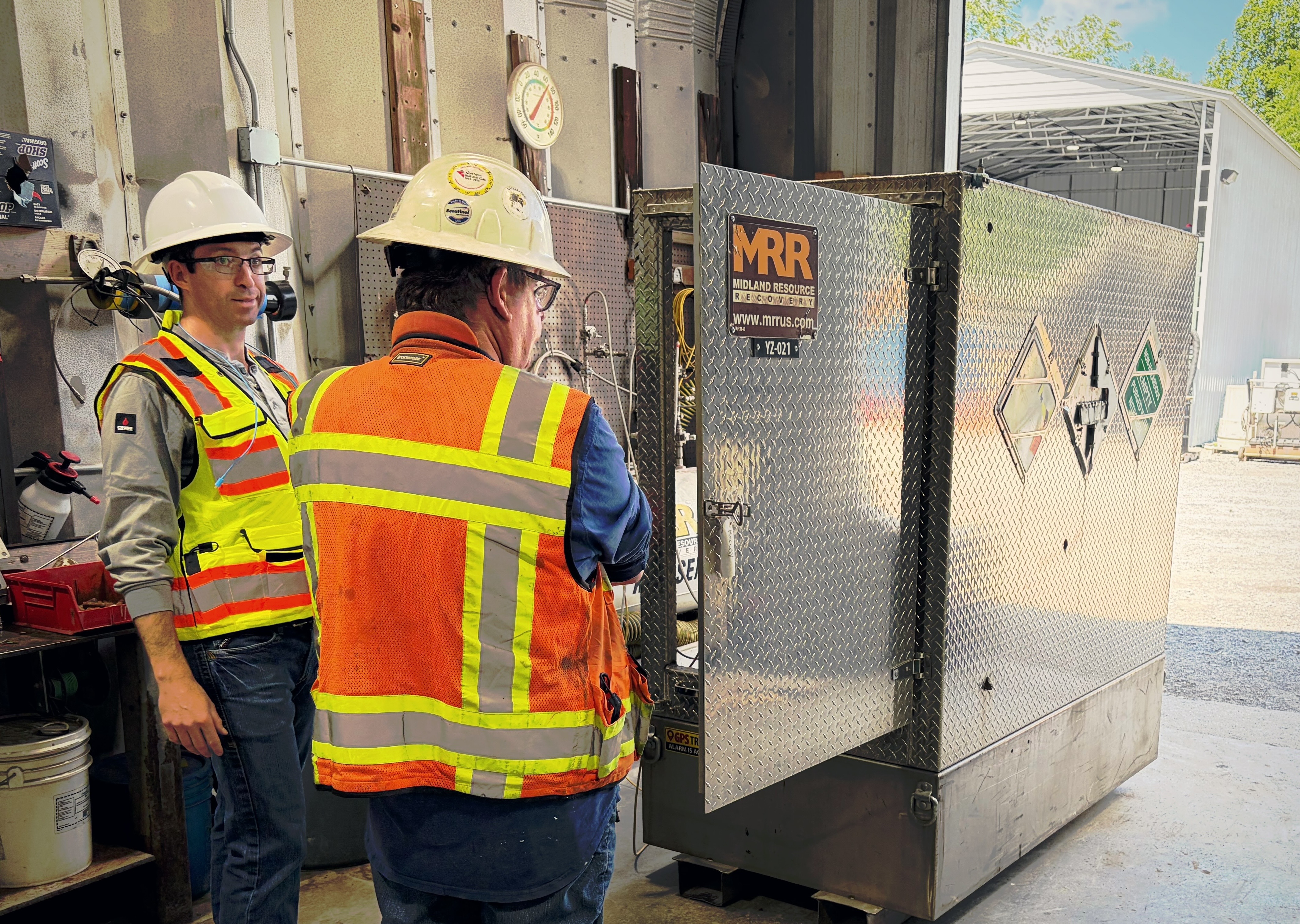
Equipment is processed in sequence depending on its condition. Tanks that hold residual liquid are drained completely, with the liquid recovered for treatment. Components that have been cut for size are loaded into the processing system. The process applies controlled heat and a chemical environment that drives off absorbed mercaptan from the steel surfaces and from the interior of pores and seams. The off-gas is captured and treated through activated carbon filtration before any release to atmosphere. The treated steel exits the process with mercaptan levels below detection thresholds and without the absorbed reservoir that would otherwise off-gas for years.
The chemistry that makes this work has been refined across nearly three decades of operation. Early processing required longer cycle times and produced steel that was acceptable but not consistently below detection. Current processing meets a tighter specification with shorter cycle times and a more reliable output.
Chain of custody and documentation
Every piece of equipment that enters Philippi is tracked through the process and out the other side. The documentation chain includes the originating manifest from the customer site, the receiving inventory at Philippi, the processing record for each component, the disposition record for the treated material, and the final closure documentation that goes back to the customer.
For a utility’s EHS or compliance team, this record is the evidence that the decommissioning project closed cleanly. The documentation answers the question that an auditor will ask years later: where did the equipment go, who handled it, and how was it processed? Without that chain, a decommissioning project leaves a long tail of uncertainty that can resurface during an acquisition, a divestiture, or a regulatory review.
The customer receives the closure package as part of the project deliverable. The contents are tailored to the project — a single tank removal produces a thinner file than a multi-site fleet decommissioning — but the elements are consistent across all work that passes through Philippi.
Recycling and material recovery
Once equipment has been de-odorized, the steel re-enters the conventional recycling stream. The Philippi yard works with regional steel processors who handle the material from that point forward. Steel is widely recyclable into new steel, and the treated material from a decommissioned tank becomes feedstock for the same mills that produce new pipe, structural members, automotive components, and the dozens of other product categories that consume recycled steel.
This is not a marketing point about sustainability. It is the practical answer to the question of where the metal goes after processing. The alternative — burial in a landfill with absorbed contamination — is restricted or prohibited under applicable regulations in most jurisdictions, and is not an outcome MRR is set up to produce.
For non-steel components, the Philippi facility separates and routes each material to its appropriate treatment or recycling stream. Gaskets, seals, plastics, and electronics are handled according to their specific requirements. Hazardous components that cannot be recycled are disposed of through licensed waste streams with the documentation that those streams require.
What this means for the customer
A utility evaluating odorant equipment decommissioning has two practical questions about the off-site treatment side of the work.
The first is whether the receiving facility can actually do the work. The Philippi facility has been processing this equipment for thirty years. The chemistry is proven. The throughput is sufficient for projects ranging from single-tank removals to multi-site fleet retirements. The capacity exists.
The second is whether the documentation will hold up. The chain of custody from removal site to final disposition is the part of the work that is most often weak with less specialized contractors. At Philippi, it is the part of the operation that has been formalized longest and that produces the most defensible record.
Working with MRR
The Philippi facility is not visible to most customers. The work happens in West Virginia, the documentation arrives by email, and the equipment that left the customer’s site disappears into the system. For utilities that want to understand the back half of the service they are paying for, the facility is open for site visits by appointment.
For utilities planning a decommissioning project — single station, multiple sites, or a coordinated fleet retirement across a service territory — the conversation that matters is about the front end of the project: scoping, scheduling, and field execution. The Philippi facility is the engine that makes the back end work, and it has been running since 1996.