Renewable natural gas has moved from a policy curiosity to a procurement priority. Utilities in the United States and Canada are signing offtake agreements, building injection infrastructure, and operating dedicated RNG pipelines at a scale that did not exist five years ago.
The drivers are well documented. They include California’s Low Carbon Fuel Standard, the federal Renewable Fuel Standard, state and provincial procurement mandates, and voluntary utility RNG portfolios. What receives less attention is the operational impact on odorization.
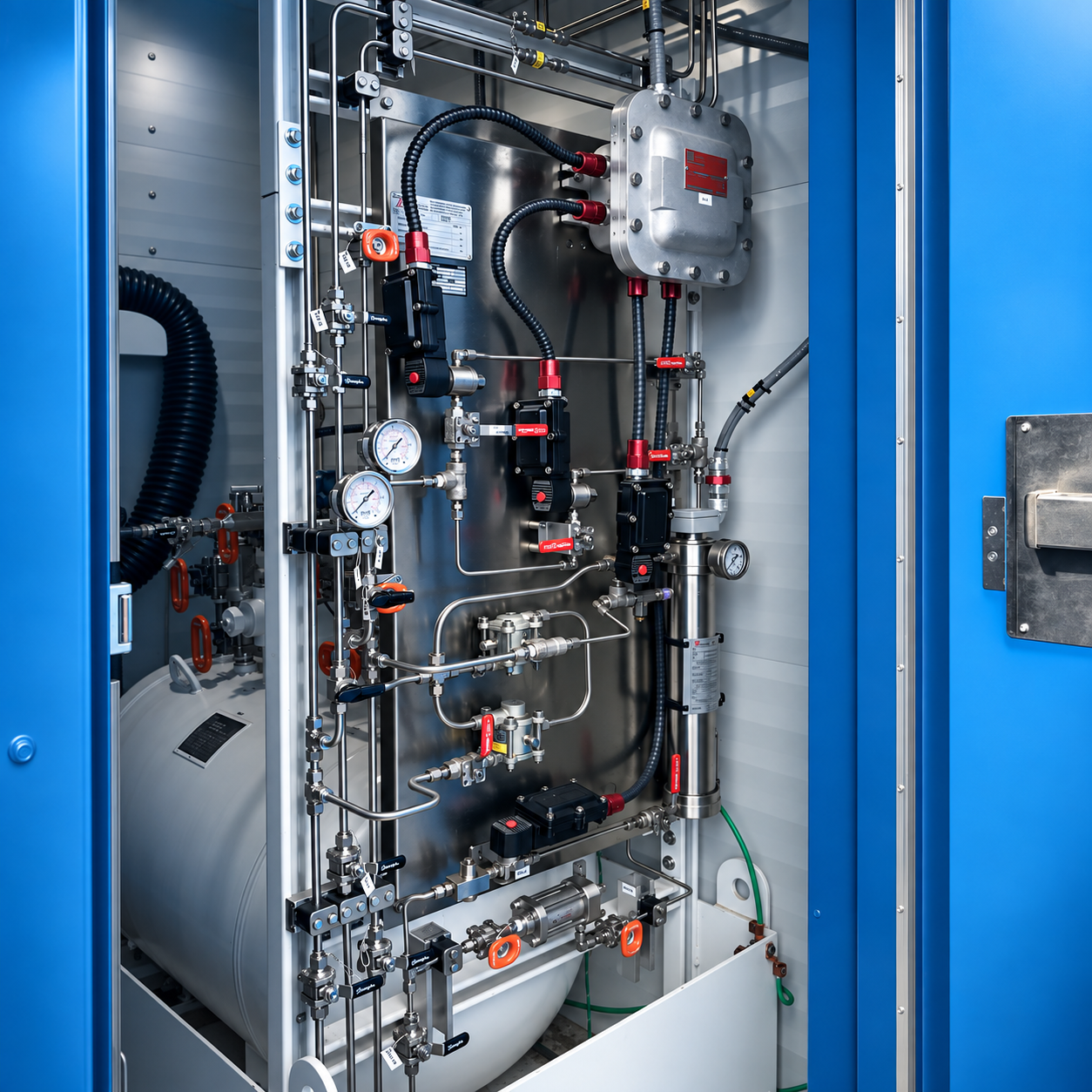
Odorization requirements at RNG injection points vary by jurisdiction, operator, and interconnect agreement. The supply chain that delivers mercaptan, the equipment that injects it, the technicians who maintain that equipment, and the training programs that prepare operators to handle it must all scale alongside RNG production.
For utility planners and procurement teams, this is a forecasting challenge worth addressing now rather than reacting to later.
Where the Gas Is Coming From
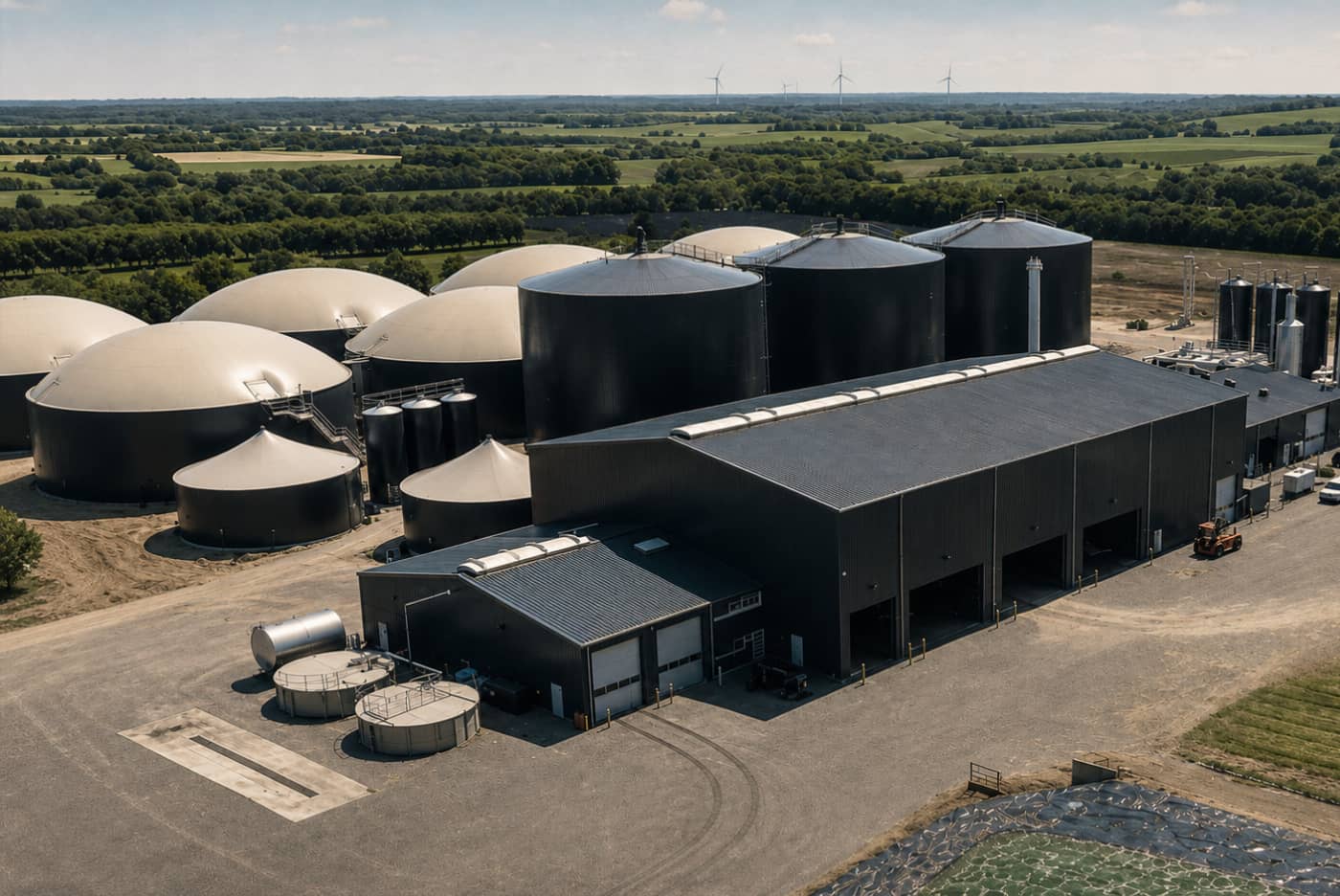
RNG is produced wherever organic material decomposes anaerobically. The current production base is concentrated in four feedstock categories.
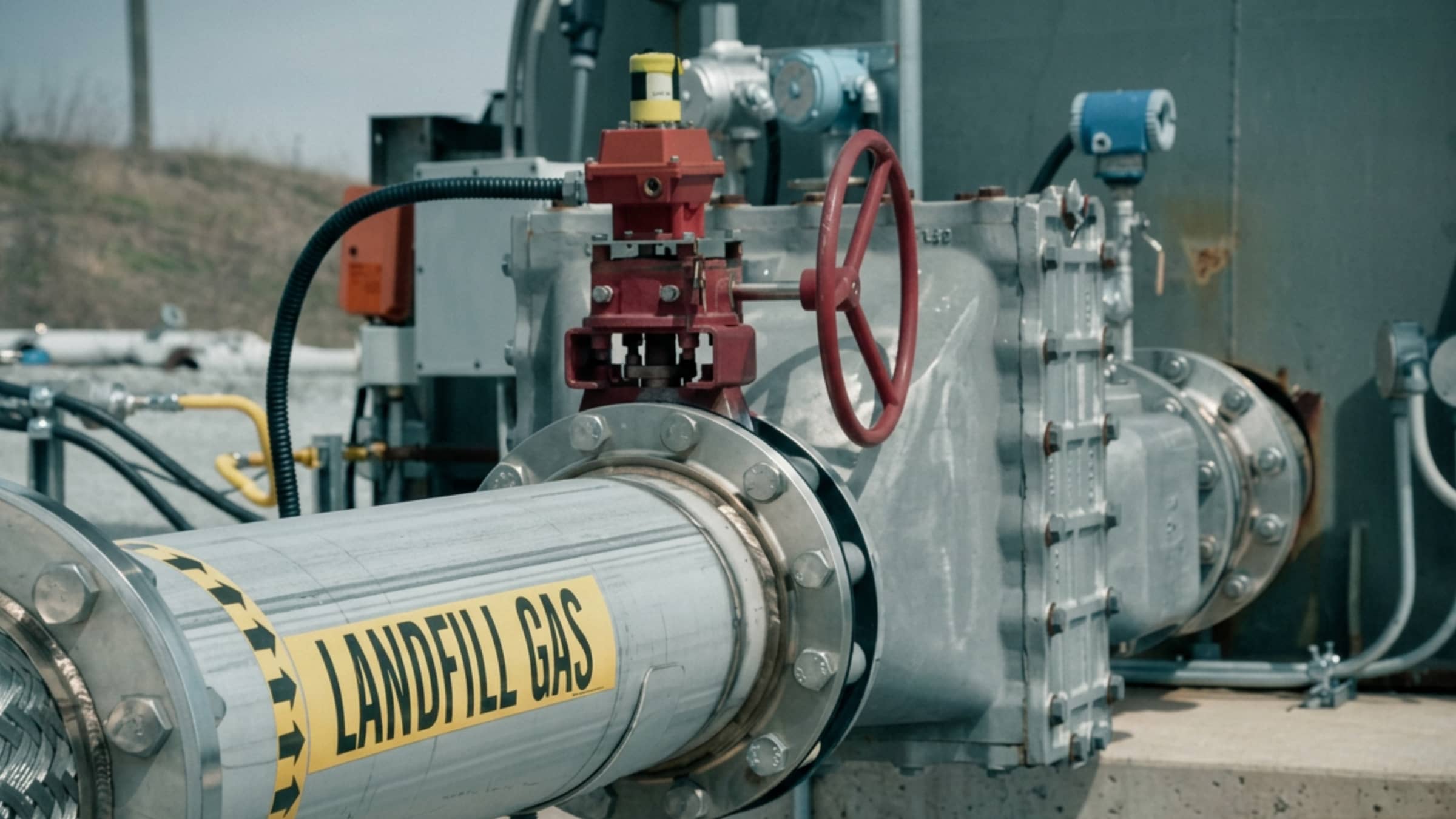
Landfill gas accounts for the largest share by volume, particularly at older municipal landfills with existing methane collection systems. Wastewater treatment plants contribute through the anaerobic digestion of biosolids. Dairy and swine farms produce RNG from manure digesters. Food waste and agricultural residues round out the supply.
Each production site becomes a pipeline injection point once its gas is upgraded to pipeline specifications. Upgrading removes carbon dioxide, water, hydrogen sulfide, siloxanes, and other constituents to bring the gas within the methane-purity and trace-contaminant limits required by pipeline operators.
Chemically, the gas entering the pipeline is nearly identical to fossil natural gas. That interchangeability is the point. RNG works within the existing pipeline system because it cannot be distinguished from conventional natural gas downstream of injection.
The same principle applies to odorization. RNG must meet the same detectability standards as conventional natural gas under 49 CFR 192.625 in the United States and CSA Z662 in Canada. Mercaptan behaves the same way in RNG as it does in fossil natural gas.
Why Project Count Is the Right Metric
Most public discussions of RNG growth focus on volume, including the number of BTUs produced, gasoline-gallon equivalents in transportation, and the percentage of utility throughput. Those figures matter for emissions accounting and rate-case filings, but they are not the most useful measures for odorization planning.
The more relevant metric is project count.
Every RNG project, regardless of its volume, requires an injection point with odorization capability. A dairy digester producing 500 cubic feet per minute needs the same general equipment architecture as a landfill producing 5,000 cubic feet per minute. The sizing differs, but the components, training requirements, and maintenance programs are fundamentally the same.
From the odorization supply perspective, ten small projects require more equipment, service calls, and mercaptan delivery stops than one large project producing an equivalent volume of gas.
The number of operational RNG projects in North America has grown substantially in recent years, with a significant additional pipeline of projects under construction or in development. Industry trackers such as EPA AgSTAR publish current counts — utilities and procurement teams should reference the latest published figures rather than a fixed number when planning.
That growth rate will not continue indefinitely, but the underlying conditions remain strong. Policy support, voluntary procurement, and food-waste diversion mandates continue to expand rather than recede.
A utility with five RNG offtake agreements in 2026 should realistically plan for eight to twelve by 2028. In a state moving aggressively on organics diversion, the project count could double within three years.
What This Means for Odorization Demand
Several consequences follow from this growth, and each appears on a different planning horizon.
Mercaptan Supply
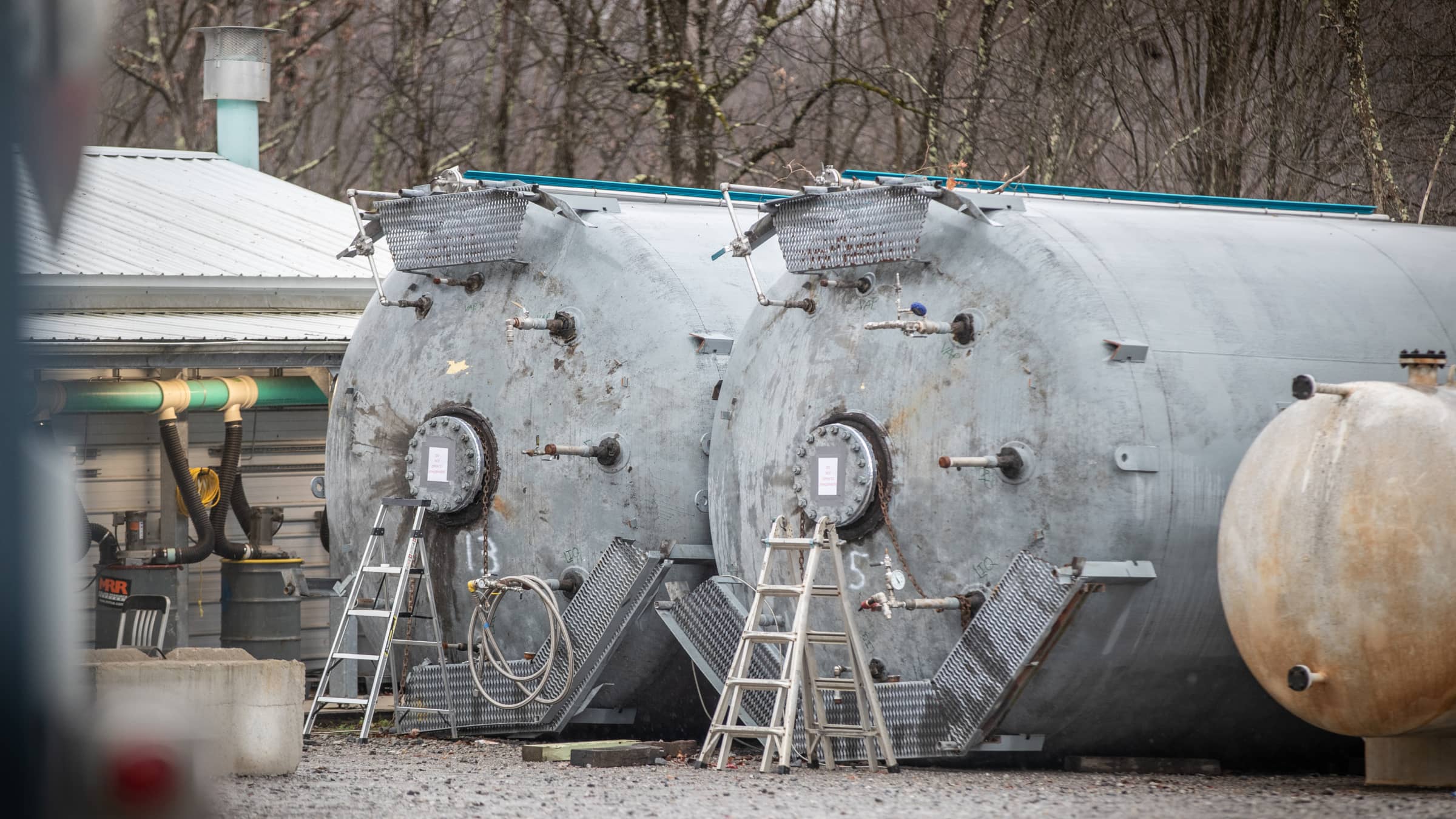
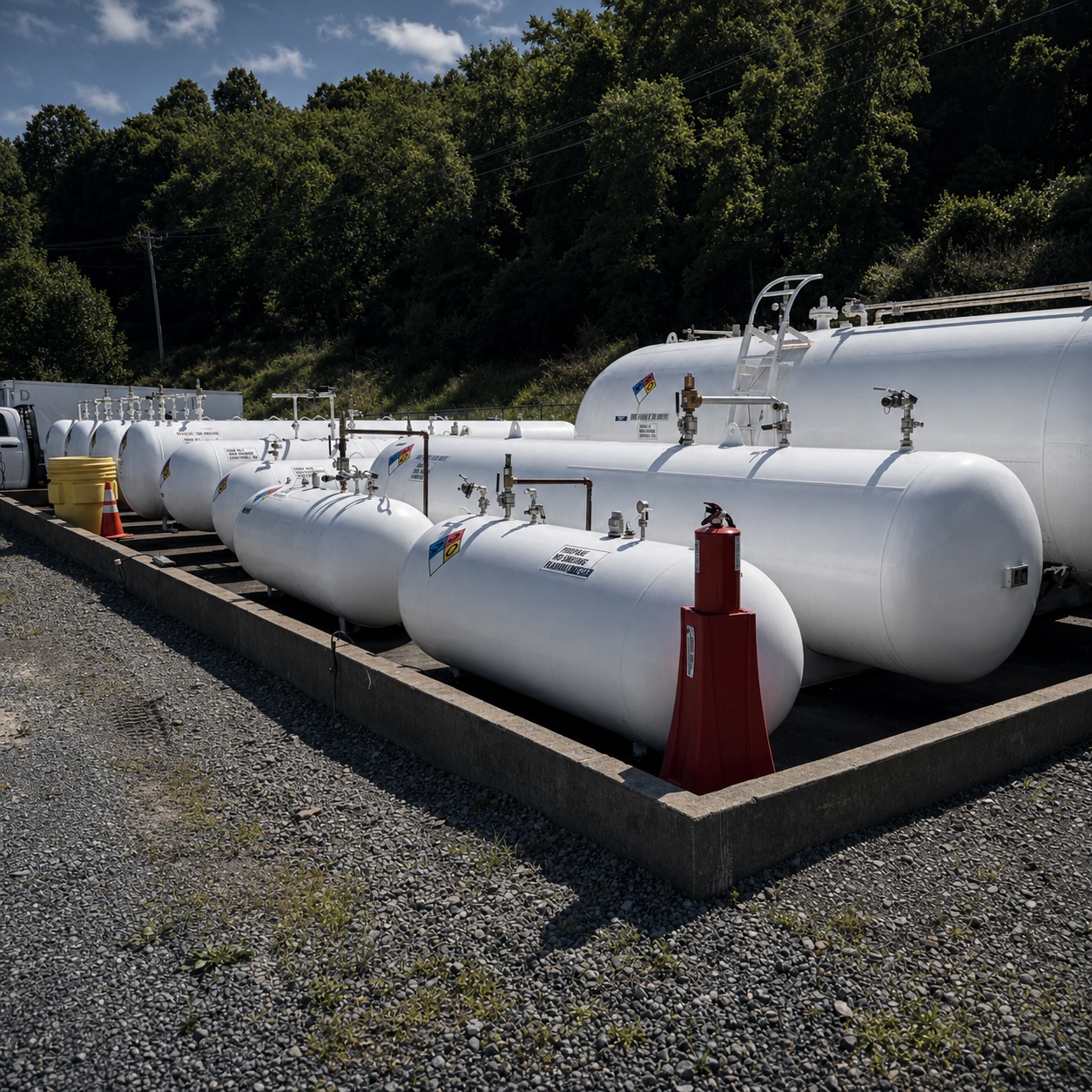
Mercaptan supply is the longest-lead-time consideration. North American odorant supply runs through a relatively small number of producers and distributors.
The current supply chain has handled recent growth comfortably. Continued expansion is sustainable, but only if downstream buyers, including utilities, midstream operators, and RNG producers, give suppliers reasonable visibility into future demand.
Procurement teams that secure supply contracts 12 to 18 months in advance are better protected against the disruptions that can affect teams ordering on demand.
Injection Equipment
Injection equipment has a shorter lead time than mercaptan supply but a higher unit cost.
Depending on flow rate, redundancy, and monitoring requirements, a new odorizer station for an RNG injection point can cost anywhere from tens of thousands to several hundred thousand dollars.
Lead times for major components have generally remained stable but can be affected by upstream commodity markets. Utilities operating RNG programs should plan equipment requirements at least 12 months ahead rather than waiting until the point of need.
Field Service Capacity
Field service capacity is the constraint that often catches operators by surprise.
An RNG injection point requires the same maintenance attention as a conventional odorizer station, including calibration, filling, sampling, and periodic equipment replacement. Every new project creates a recurring service obligation.
Utilities that bring RNG projects online without expanding their internal field capacity or service-provider relationships can begin missing maintenance windows within 12 to 24 months.
Spill Response Coverage
Spill response planning is especially important for RNG projects at agricultural and landfill sites.
These facilities are often located in rural or semi-rural areas with different access constraints, community profiles, and emergency-response infrastructure than urban distribution sites. A spill response plan written for an urban utility station will not transfer cleanly to a dairy digester injection point.
Plans need to be site-specific, and qualified contractor relationships need to be established before an incident occurs.
What Buyers Should Be Planning Now
For utility planners and procurement teams, the practical priorities are straightforward.
Develop a Five-Year Project Forecast
If the RNG planning horizon extends only 12 months, the broader supply-chain implications remain difficult to see. Extending the forecast to five years makes the required procurement decisions much clearer.
Coordinate With Suppliers Early
Odorant suppliers and equipment manufacturers can absorb growth they can see coming. Sharing the project forecast — even a rough one — with your odorant distributor and equipment partners converts you from a spot buyer into a planned commitment, which is what protects pricing and lead times when the market tightens.
Build Service Capacity Before It Is Needed
Every injection point added this year is a maintenance obligation next year. Whether the plan is internal crews, a service partner, or both, the capacity decision should be made when the project is approved, not when the first missed calibration shows up in an audit.
Settle Odorization Responsibility at the Interconnect
Responsibility for odorization at the point of custody transfer should be defined in the interconnect agreement, with the injection system specified and validated to the receiving utility’s requirements before first gas flows.
MRR works with utilities, midstream operators, and RNG producers across North America on exactly this planning problem — system design, equipment supply, odorant delivery, field service, and the analytical validation that proves detectability at the interconnect. The right time to start that conversation is while the project count is still a forecast.