A new natural gas pipeline does not behave like an old one. The interior surface of fresh steel pipe carries a layer of mill scale, residual cutting oils, weld slag, and fine rust that forms within hours of exposure to air. When odorized gas first moves through that pipe, the sulfur compounds in the odorant react with the steel surface and with the contaminants on it. The odorant degrades. The gas reaches the end of the line with less odor than it had at the injection point.
This is odor fade. In a regulated system where 49 CFR 192.625 requires gas to be readily detectable by a person with a normal sense of smell at one-fifth of the lower explosive limit, odor fade is the failure mode that puts the operator on the wrong side of the standard. MRR uses the term pipeline pickling for the practice that addresses it — one of the most consequential operations performed on a new line before it goes into service, with the applicable process and requirements varying by line and by the operator's approved commissioning plan.
What odor fade is and is not
Odor fade is the loss of detectable odorant from a gas stream between an injection point and a downstream measurement point. It is not the same as odor masking, which is the presence of a competing smell that makes the odorant harder to perceive. It is not the same as olfactory fatigue, which is a temporary loss of the human ability to detect a smell after sustained exposure. Odor fade is a real reduction in the chemical concentration of odorant in the gas.
Several mechanisms drive it. The most common are oxidation of mercaptan compounds in contact with rust and mill scale, absorption of odorant onto contaminants and pipe surfaces, partitioning of odorant into free water in low points and dead legs, and reaction with metal oxides in coatings or fittings. The effect is most pronounced in large-diameter steel pipe at low or stagnant flow, where the gas dwell time inside the pipe is long and the surface area per unit volume of gas is high.
Smaller pipe, plastic pipe, and internally coated pipe all show the phenomenon to a lesser degree but they are not immune. Plastic pipe carries less reactive surface area but it can absorb mercaptan into the polymer matrix over time. Internally coated steel reduces direct contact between gas and metal but coating defects, weld zones, and joints remain reaction points.
How odor fade shows up in real systems
Operators do not usually discover odor fade through routine compliance sampling. They discover it through customer complaints that come from one of two directions.
The first is a flood of false leak calls in a neighborhood served by a freshly tied-in section of main. Customers smell odorant where there is no leak — at meter sets, in basements, around appliances — because the odorant in their gas has separated from the gas itself and accumulated where the gas is venting at trace levels through normal joints and connections. This is over-odorization showing up as a false alarm.
The second is the more dangerous failure: an actual leak that customers do not smell because the odorant has degraded between the injection point and their service. This is under-odorization, and it does not announce itself the way over-odorization does. It surfaces in incident reports, regulator findings, and inspections.
Designers can reduce the conditions that cause odor fade. Sizing pipe for expected flow rather than upsizing reduces dwell time. Looping the system to avoid dead ends keeps gas moving. Specifying internally coated pipe for long transmission runs reduces reactive surface area. Drying the pipe before commissioning removes the free water that drives partitioning losses. These design choices help. They do not eliminate the need to condition a new line before it carries odorized gas to customers.
What pipeline pickling does
MRR's pickling process introduces odorized gas into a new line at a deliberately elevated concentration, for a deliberate duration, with monitoring at both ends. The purpose is to saturate the reactive sites on the pipe interior so that subsequent gas flowing through the line at normal odorant concentrations is not stripped on its way to customers.
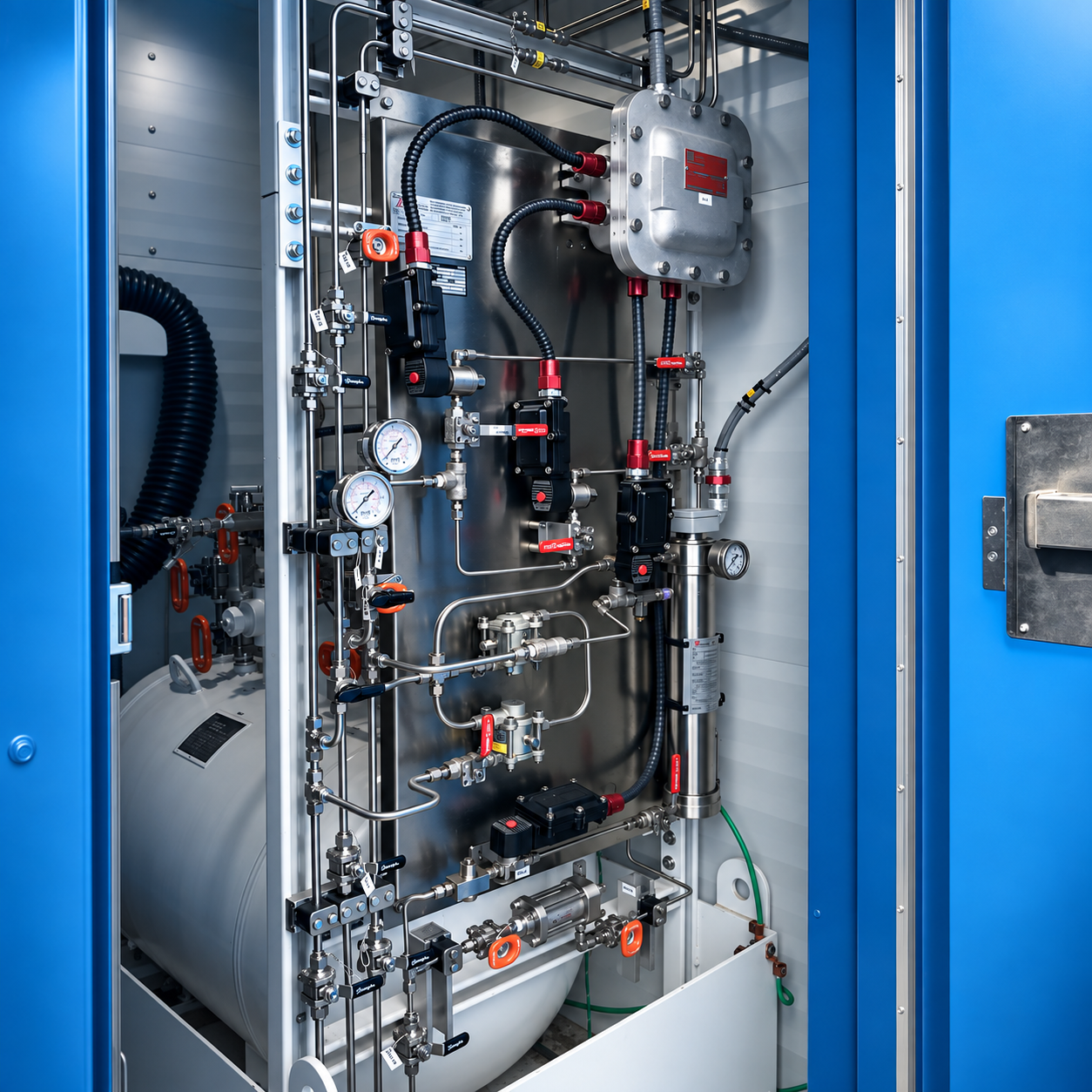
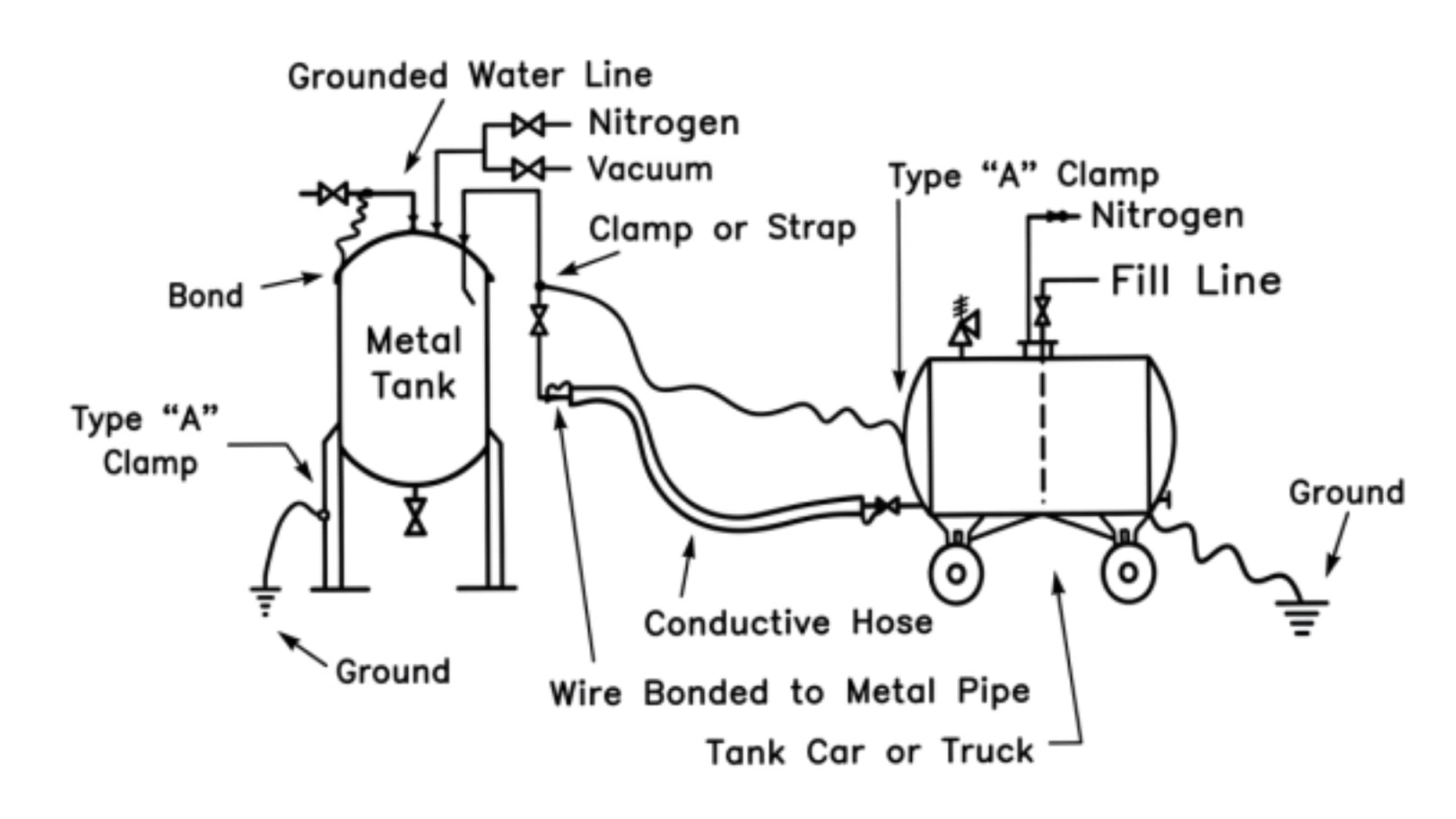
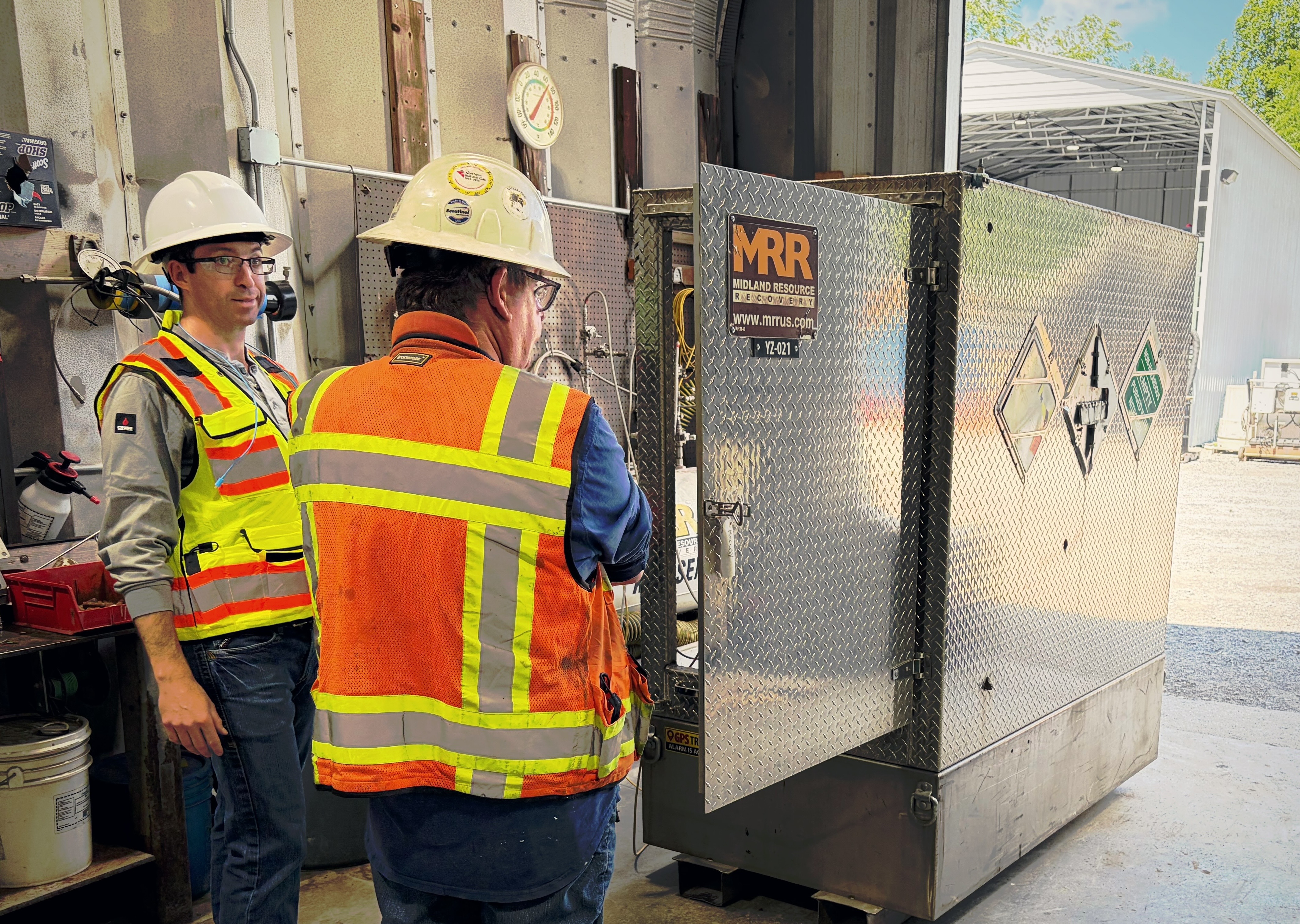
The basic architecture of an MRR pickling operation uses two odorizers and a monitoring system.
A front-end odorizer injects odorant into the new pipeline at the upstream end. The injection rate is set above the operator’s normal target, typically two to four times the design concentration, depending on pipe size, length, and material. The elevated rate provides the headroom needed to overcome the reactive losses inside the pipe while still delivering odorized gas to the downstream end.
A tail-end odorizer sits downstream of the new pipeline, before the gas enters the existing distribution system. Its role is to make up any odorant lost in transit so that the gas leaving the pickling zone meets the normal system specification. As the pipe conditions over the course of the pickling operation, less odorant is consumed in transit and the tail-end odorizer dials back accordingly.
Continuous monitoring at both ends tells the operator when the pipe has stabilized. MRR uses the OdorTracker mercaptan monitoring system at the tail end to log odorant concentration over time. When the downstream concentration tracks the upstream concentration within an acceptable margin, and stays there, the pickling is complete. Activated carbon filtration at sensitive locations prevents odorant excursions from reaching residential or commercial areas during the conditioning period.
How long it takes and what determines it
Pickling duration depends on several variables. Pipe diameter, total length, surface condition, internal coating status, ambient temperature, and the gas flow rate during pickling all factor in. A short distribution lateral can be conditioned in hours. A long transmission main with bare steel interior can take several days.
The variable that matters most is dwell time. The longer the gas remains in contact with the pipe interior, the more reactive sites it conditions per unit of gas. Operators sometimes try to accelerate pickling by pushing gas through at high flow rates, but this works against the chemistry. A slower, steadier flow with sustained elevated odorant concentration is generally more effective than a fast, high-volume sweep.
Pickling steel pipe and pickling plastic pipe require different approaches. Steel responds to the conditioning of metal surfaces and to the saturation of mill scale and rust. Plastic responds more to the absorption equilibrium between the polymer matrix and the gas phase. An MRR pickling strategy is designed around the specific pipe material, system configuration, and downstream conditions of each project.
Why the conditioning matters at commissioning
A new pipeline reaches its first odorized gas only once. The choice an operator makes at commissioning sets the operating baseline for the asset’s working life. A line that is properly conditioned before service stabilizes at a predictable odorant consumption rate and gives clean sampling data from day one. A line that is rushed into service without conditioning produces erratic odorant readings, false leak calls, regulator scrutiny, and eventually a remediation effort that costs more than the original pickling would have.
Where it is technically feasible, MRR designs pickling operations so that the gas conditioned through the line is returned to commercial use rather than vented or flared. This reduces project cost, eliminates lost gas, and avoids the air quality and greenhouse gas implications of flaring.
The operator’s role during conditioning
A pickling operation is not turnkey from the operator’s side. The utility’s role during pickling typically includes isolation valve operation at the conditioning boundaries, communication with customers in the affected area in case of any odorant excursion, and coordination with the downstream control room on the timing of the transition to normal operations. MRR handles the equipment, the chemistry, the monitoring, and the documentation. The operator owns the system and the customer relationship.
The deliverable at the end of a pickling operation is a record. The monitoring data, the equipment settings, the duration of conditioning, the upstream and downstream odorant concentrations through the operation, and the final acceptance criteria all become part of the line’s commissioning file. That record is what the operator presents during a future audit when an inspector asks how the line was prepared for service.
Working with MRR on pickling and odor fade
MRR has been designing pipeline conditioning operations across North America since 1996. The work spans short distribution laterals, large-diameter transmission lines, plastic main extensions, and renewable natural gas tie-ins. Each project starts with the pipe characteristics, the system configuration, and the operator’s target concentration. The strategy is built from there.
For an operator with a new line approaching commissioning, the question is rarely whether to pickle. It is how to pickle, on what timeline, against what acceptance criteria, and at what cost. Those are the questions our project engineers are built to answer.