Engineering Firms
Clients We Serve
Technical Expertise for Gas Infrastructure Projects
Why MRR
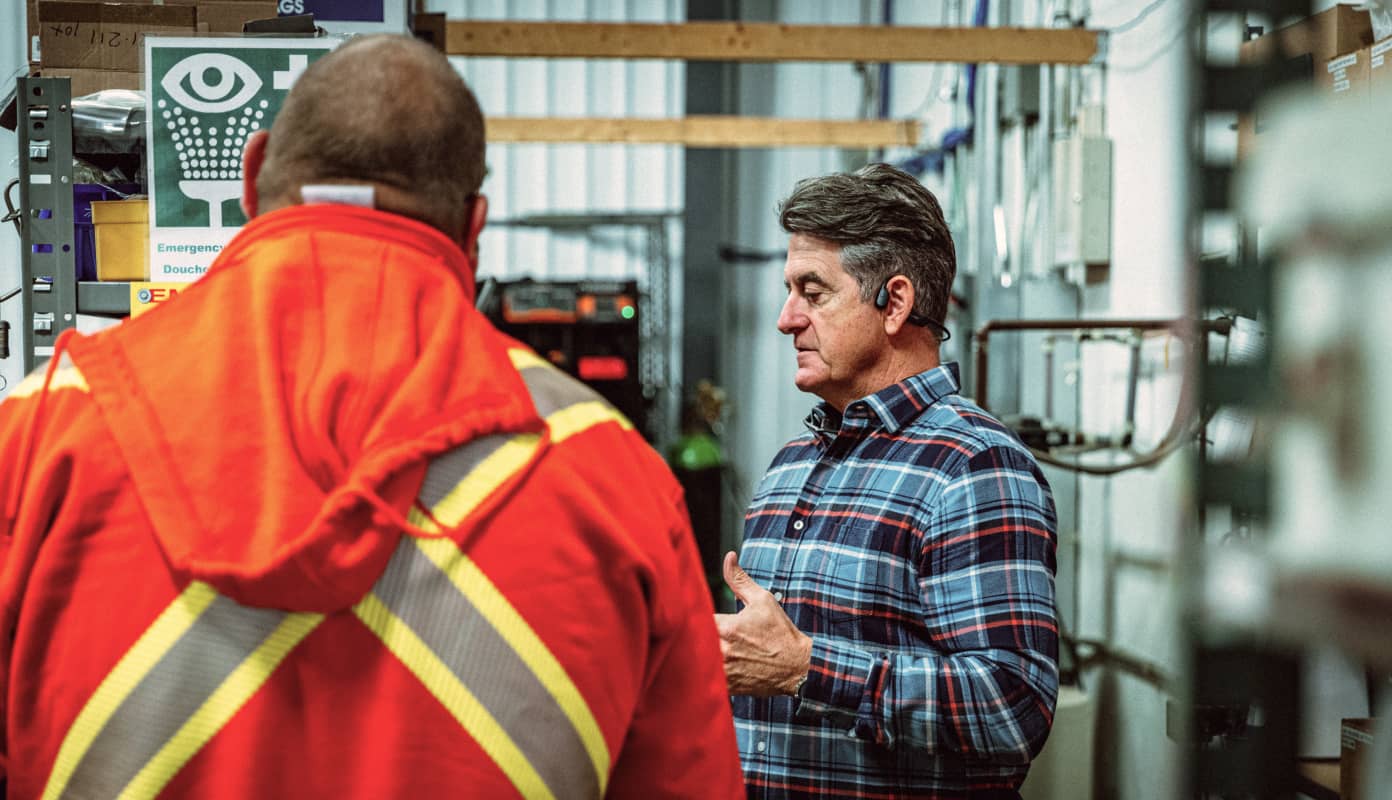
MRR is the odorization specialist engineering firms across North America bring in when a project touches natural gas. Mechanical, environmental, and consulting engineers call on us for odor fade investigations in high-rise and critical buildings, decommissioning of refinery and station assets, odorant spill response, and odorization system design support. Whether the utility relationship is yours or ours, MRR delivers the odorization scope inside your project team, and hands you the independent specialist’s report your client can rely on.
Typical
Engineering & EPC
Challenges
1
Designing Odorization Systems That Perform
Engineering designs must ultimately translate into systems that operate reliably under real-world conditions. Variations in gas flow, pipeline materials, environmental conditions, and system configurations can affect odorant performance in ways that are not always apparent during the design phase.
How We Help
Design & Specification Support
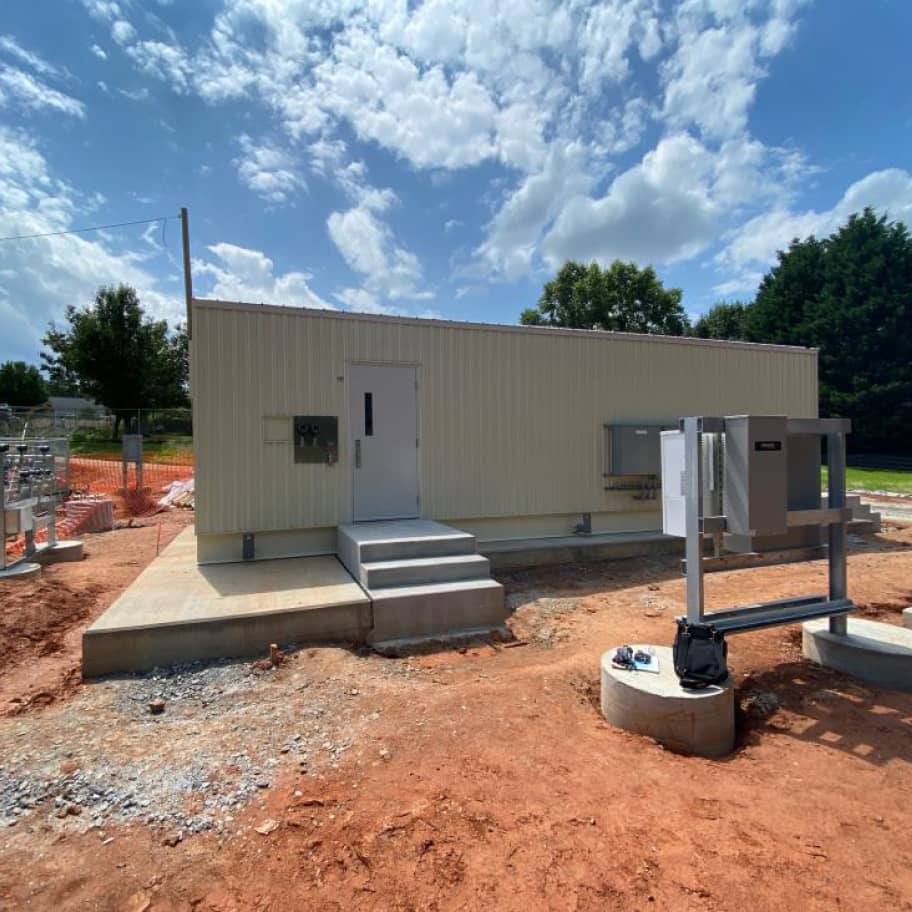
System design reviews, equipment selection, and specification support from a team that has engineered odorization for every major injection technology.
Engineered Products
Custom odorization equipment, certified bypass odorizers, and PE-stamped packages built to project specifications.
Pipeline Conditioning & Commissioning
MRR developed the engineering behind modern pipeline conditioning, compliant with CSA Z662 and B149.1, verified through MAV™ analytical validation.
Utility Equipment Programs
Specifying, supplying, and commissioning odorization equipment for utility clients, as your partner.
2
Odor Fade in High Rises and Critical Buildings
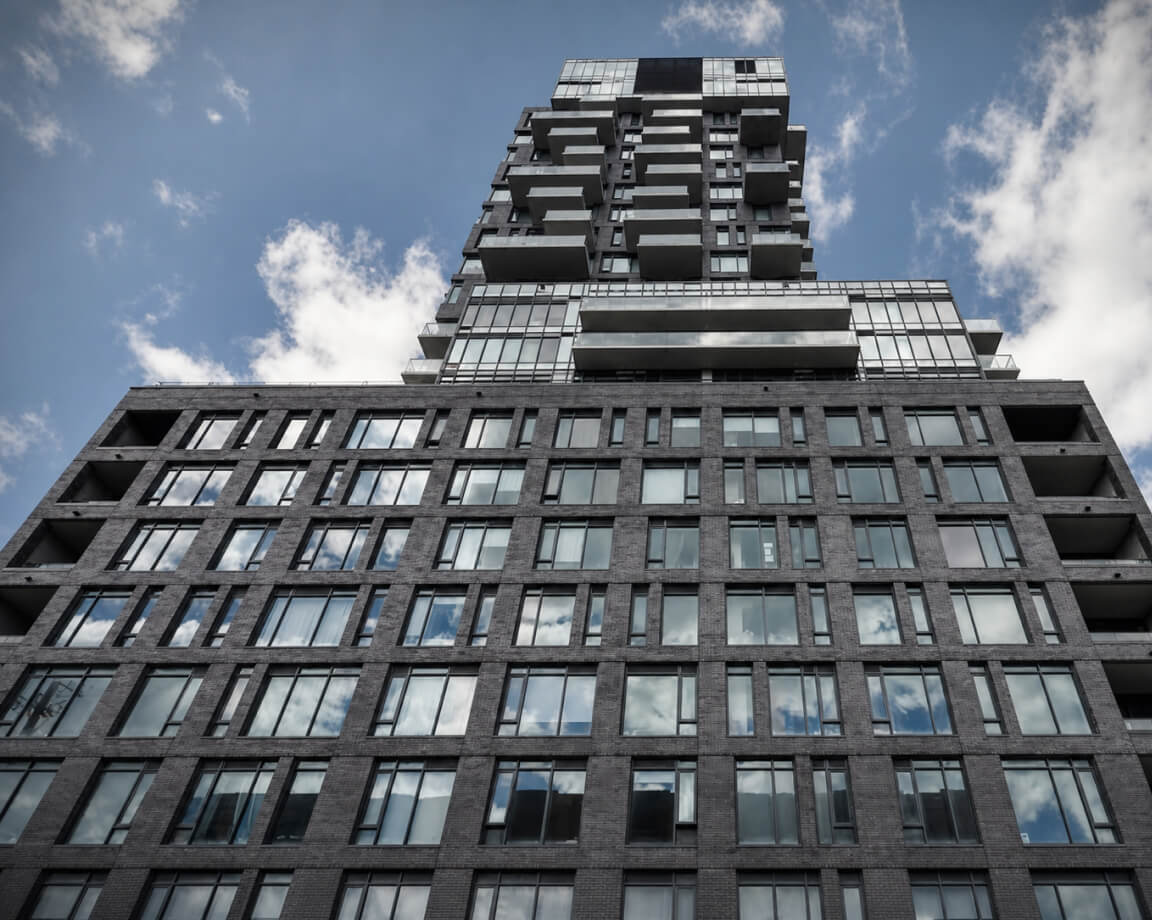
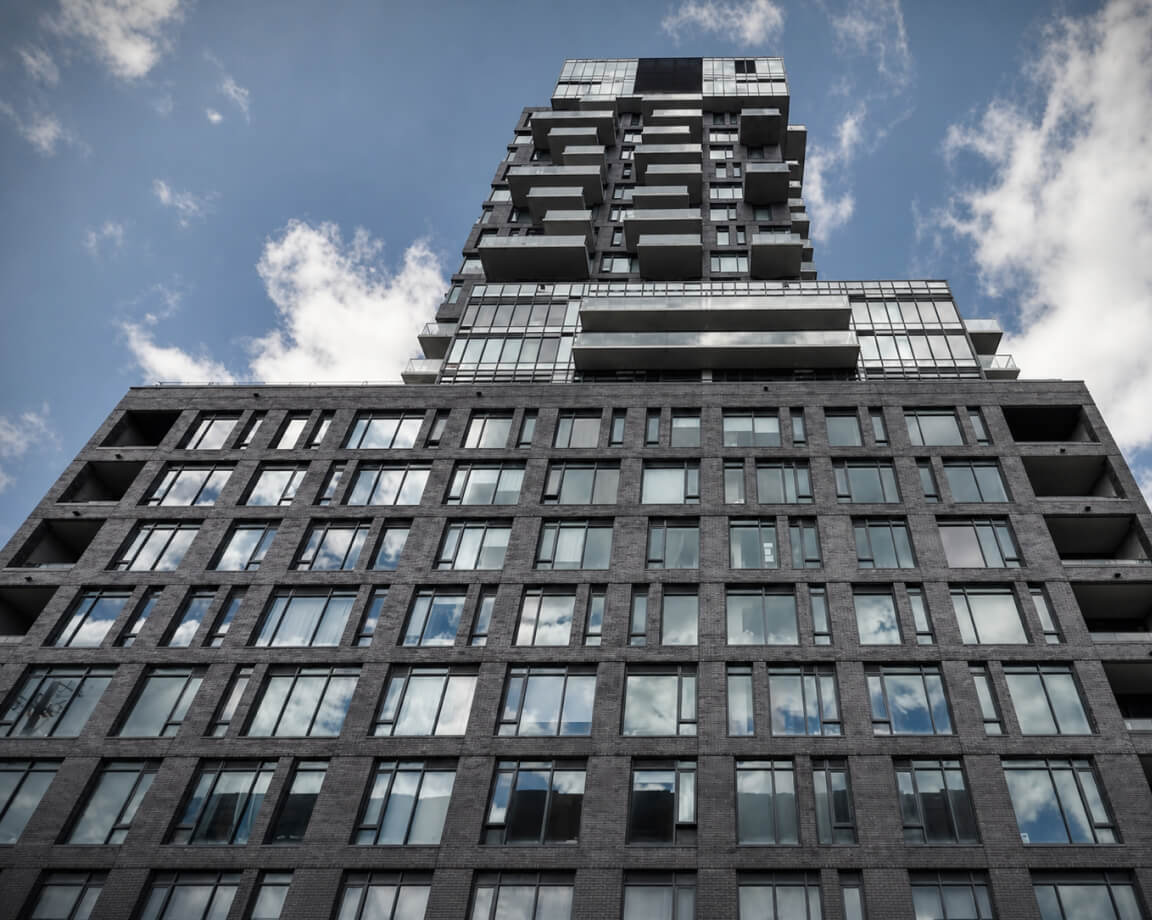
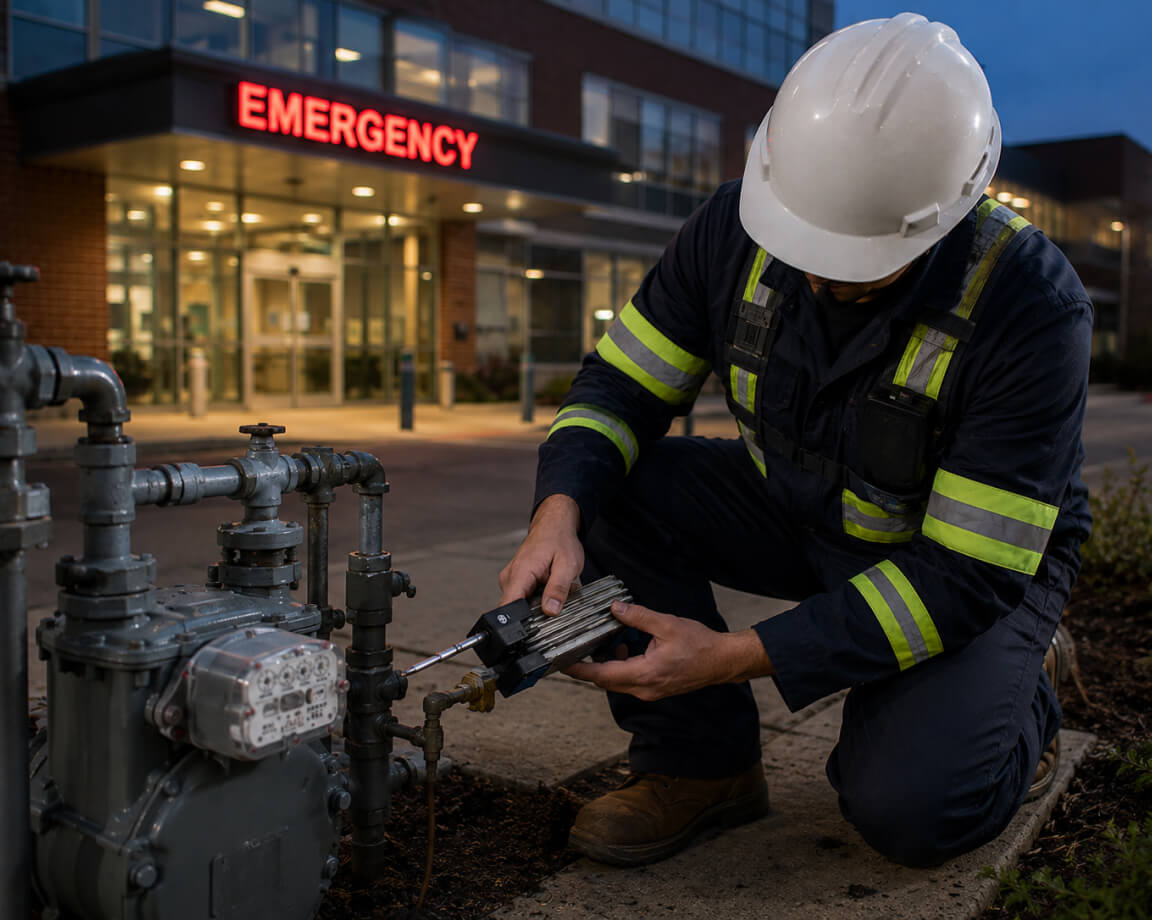
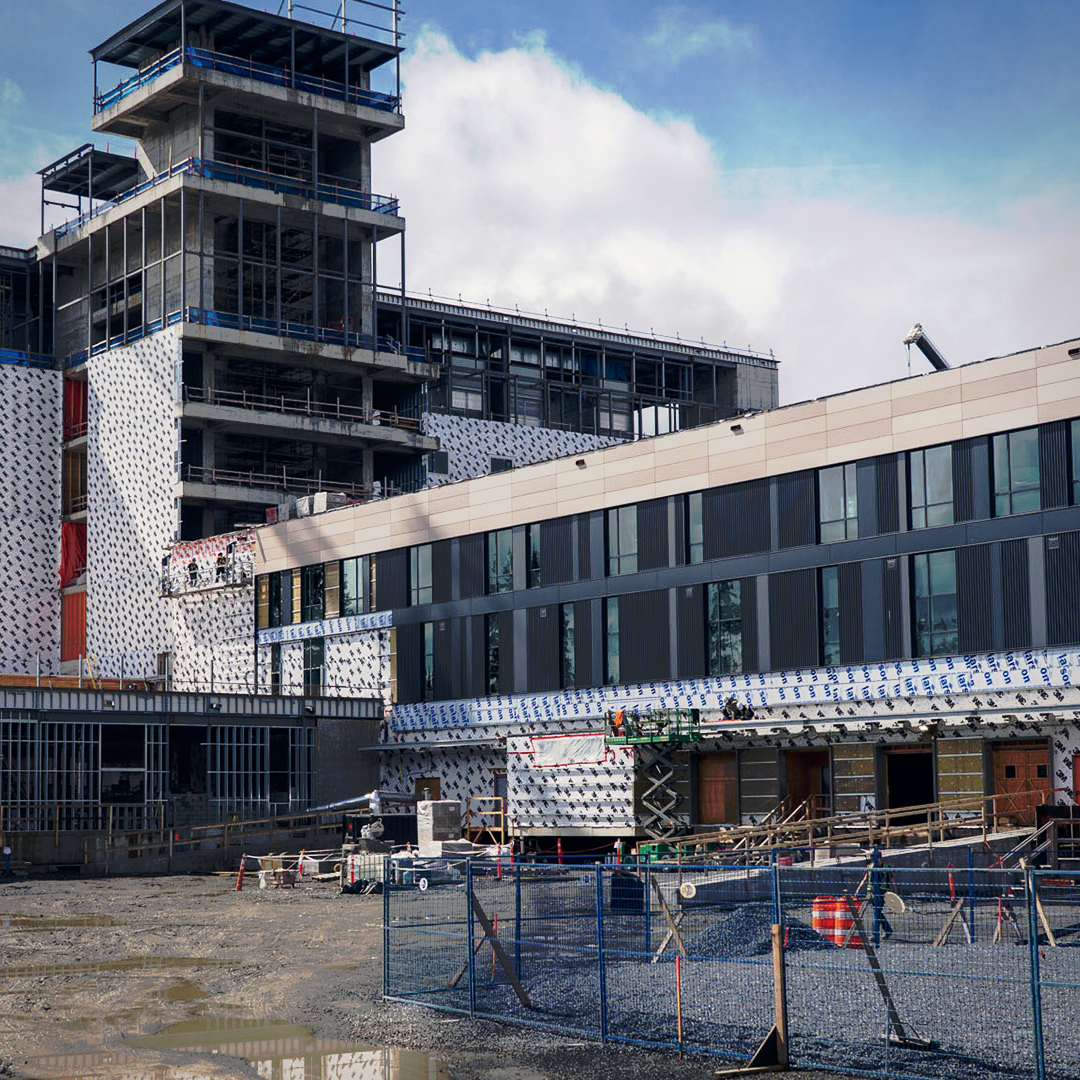
High rise towers, hospitals, universities, and data centers create conditions that erode odorant detectability: long pipe runs, new pipe materials, and intermittent gas usage. Odor fade in an occupied building is a life-safety issue and must not be left untreated.
How We Help
Odor Detectability Verification
Scheduled detectability audits for buildings and portfolios, documenting that gas remains reliably detectable floor to floor, year after year.
Odor Fade Resolution
Diagnosing and correcting odorization performance issues in existing pipelines.
New Piping Conditioning
Conditioning new building gas lines before occupancy, with continuous monitoring that surfaces leaks early.
3
Decommissioning, Spills, and Legacy Odorant Risk
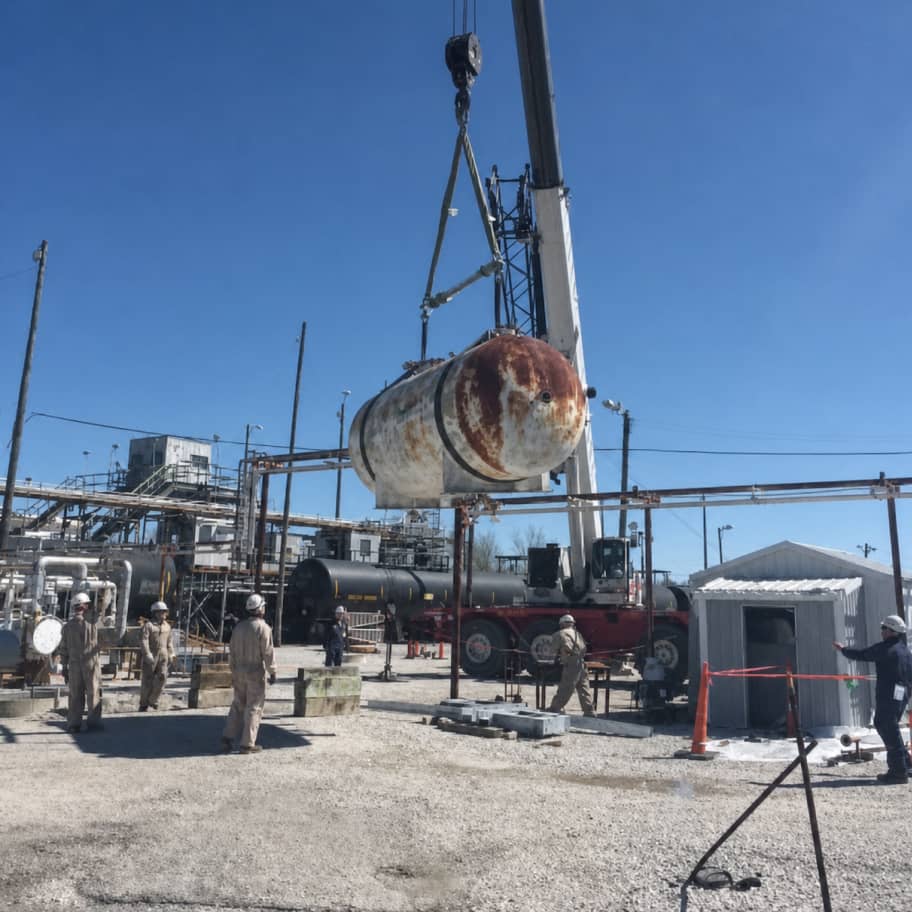
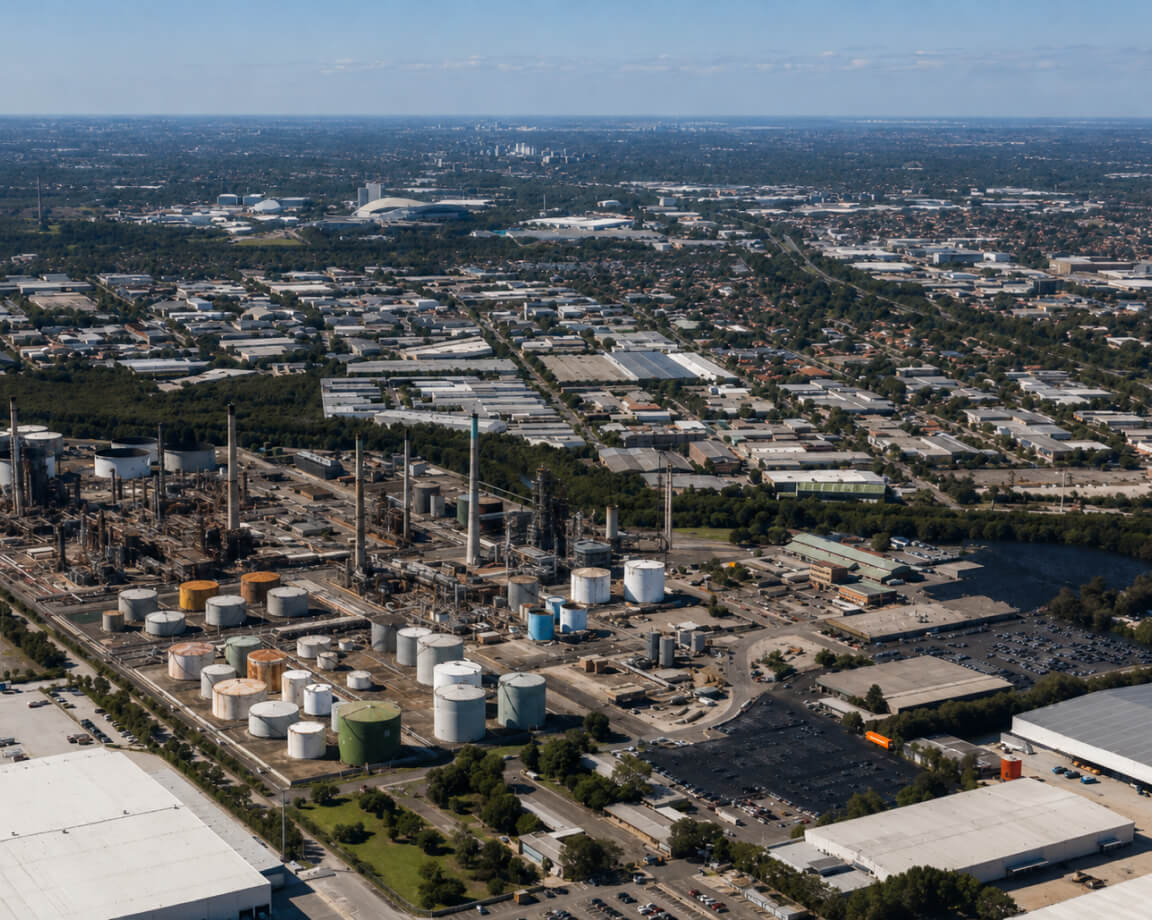
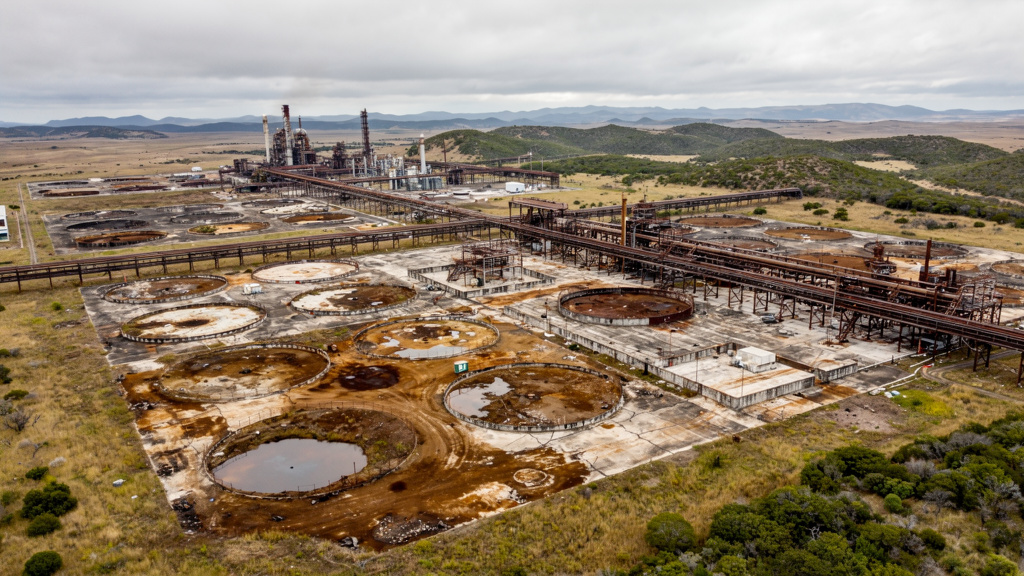
Aging odorant infrastructure and odorant releases put engineering firms in the same position: a hazardous, unfamiliar material their client expects them to handle. Whether it is a refinery tank that has outlived its service or a spill with the community calling, MRR brings the crews, containment, and specialized procedures to resolve it safely, and the documentation to close it out.
How We Help
Tank & Equipment Decommissioning
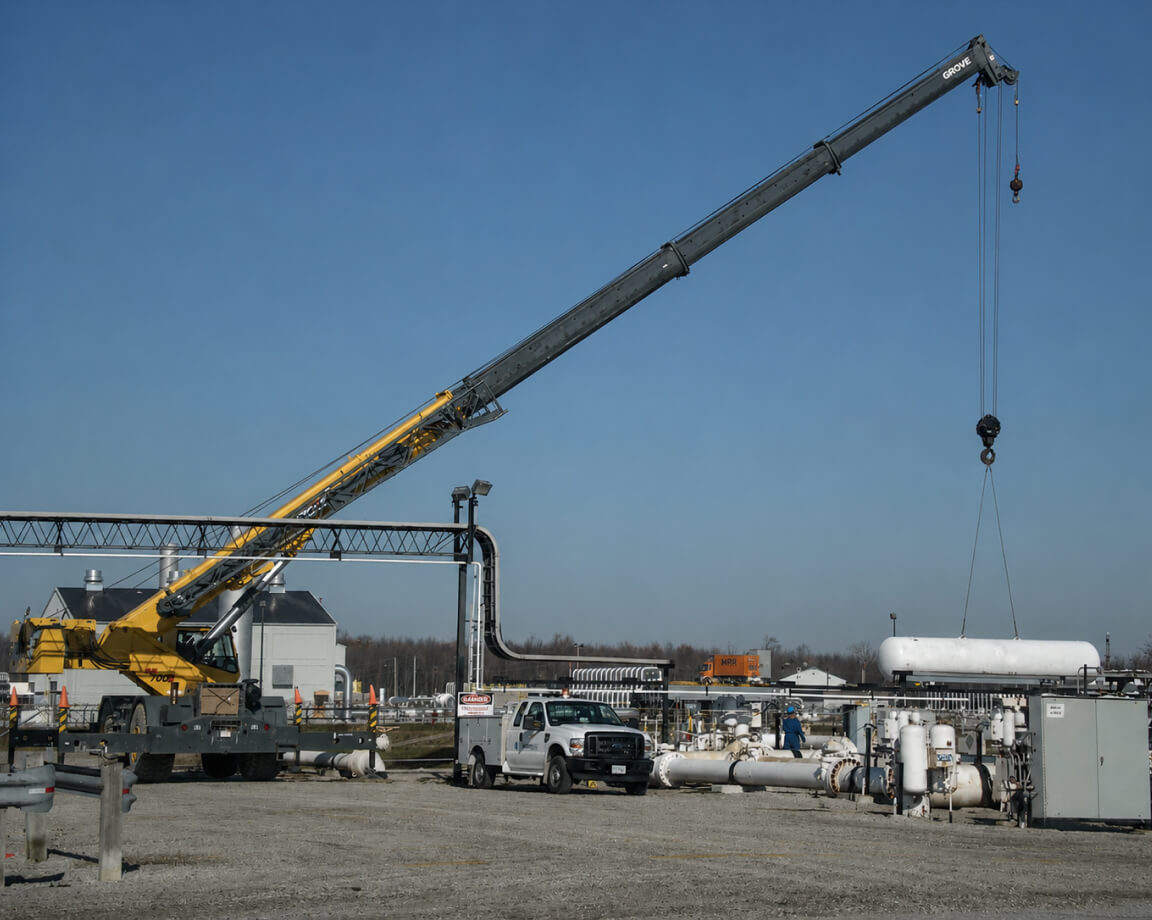
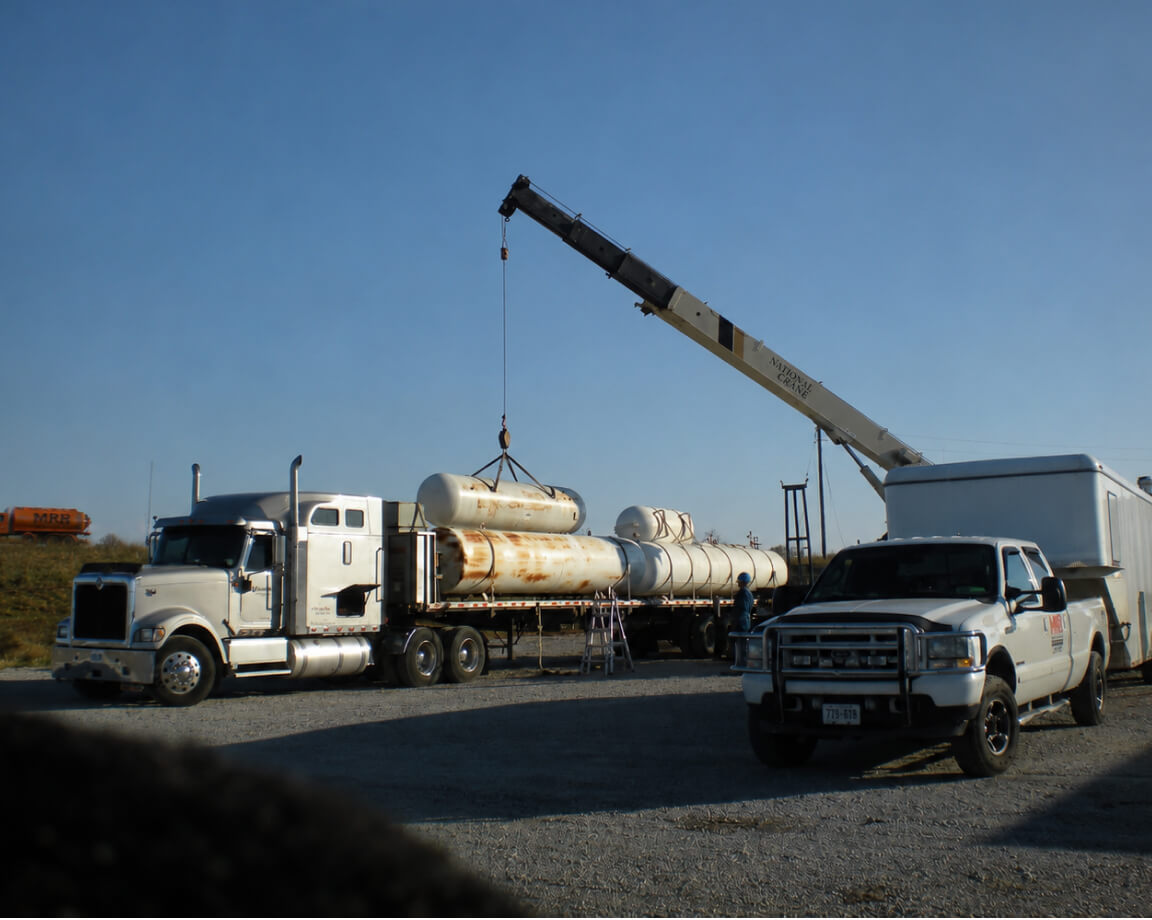
Safe treatment, removal, and replacement of odorant tanks and injection equipment, up to and including large refinery assets.
Odorant Transfer & Relocation
Odorant recovered, held, and returned to service, fully contained at every step.
24/7 Emergency Spill Response
Rapid mobilization to contain, treat, and neutralize odorant spills, protecting personnel, communities, and waterways.
Site Remediation
Neutralization and treatment of odorant-impacted soil, equipment, and infrastructure, leaving sites clean and odor free.
MRR Key Services for Engineering & EPC
From MAV™ analytical validation to risk assessments and audit-ready records, MRR gives operators a data-driven, defensible view of odorization performance, catching odor fade risks and compliance gaps before they become incidents.
MRR develops specialized odorization solutions for unique operational requirements, including low-flow systems, odorant delivery trucks, custom injection equipment, and other engineered systems built to address site-specific challenges.
Using specialized procedures developed through decades of odorization experience, MRR safely decommissions aging or obsolete odorant equipment: removed, treated, and disposed of without odorant release, keeping stations audit-ready.
MRR provides engineering support and consulting services, including system design reviews, odorization performance assessments, and guidance for industrial, commercial, and institutional gas systems where odor fade risks may occur.
Our team assesses odor detectability, identifies operating conditions that may contribute to odor fade, and provides technical guidance to ensure gas remains reliably detectable throughout complex building and facility infrastructure.
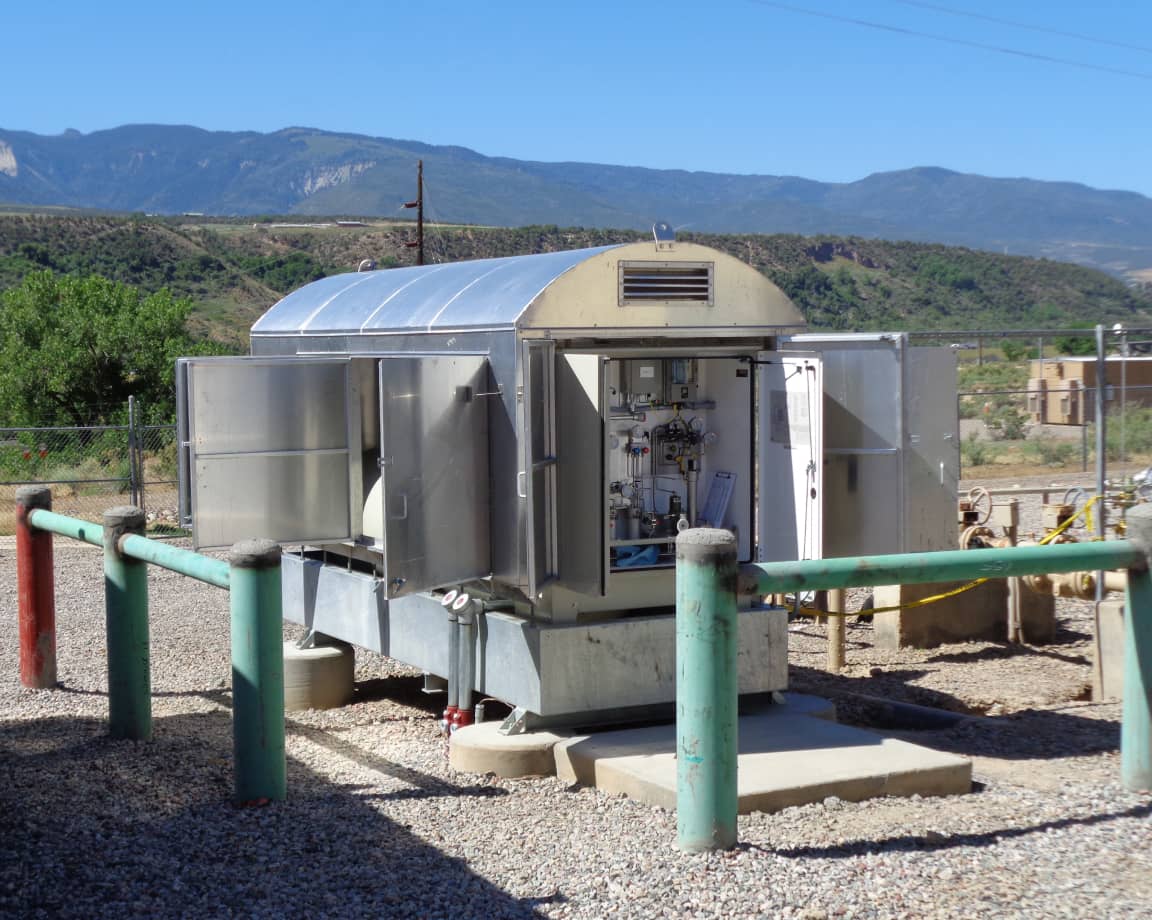
Fully engineered, PE-stamped odorization packages: designed, fabricated, and installed by MRR, from CSA and CRN certified bypass odorizers to complete stations. Optional orbital welding reduces field joints and potential leak points.
Client Success Stories
Working with You Towards a Common Goal
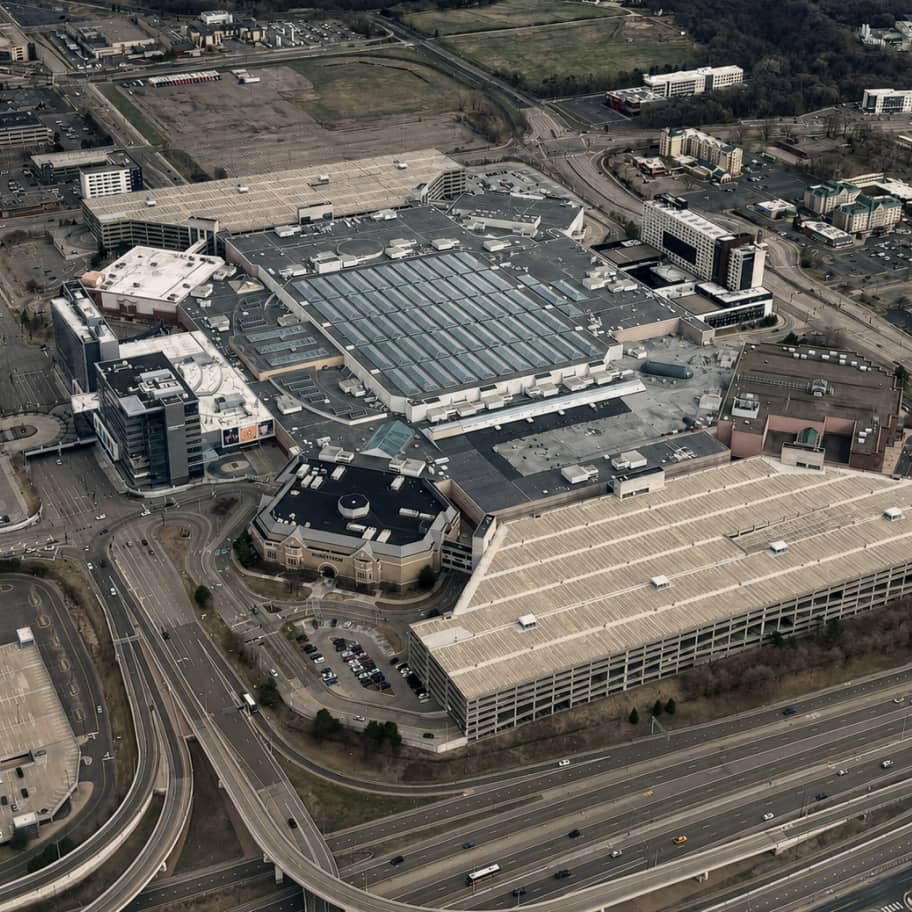
New Jersey Mall Gas Line Conditioning
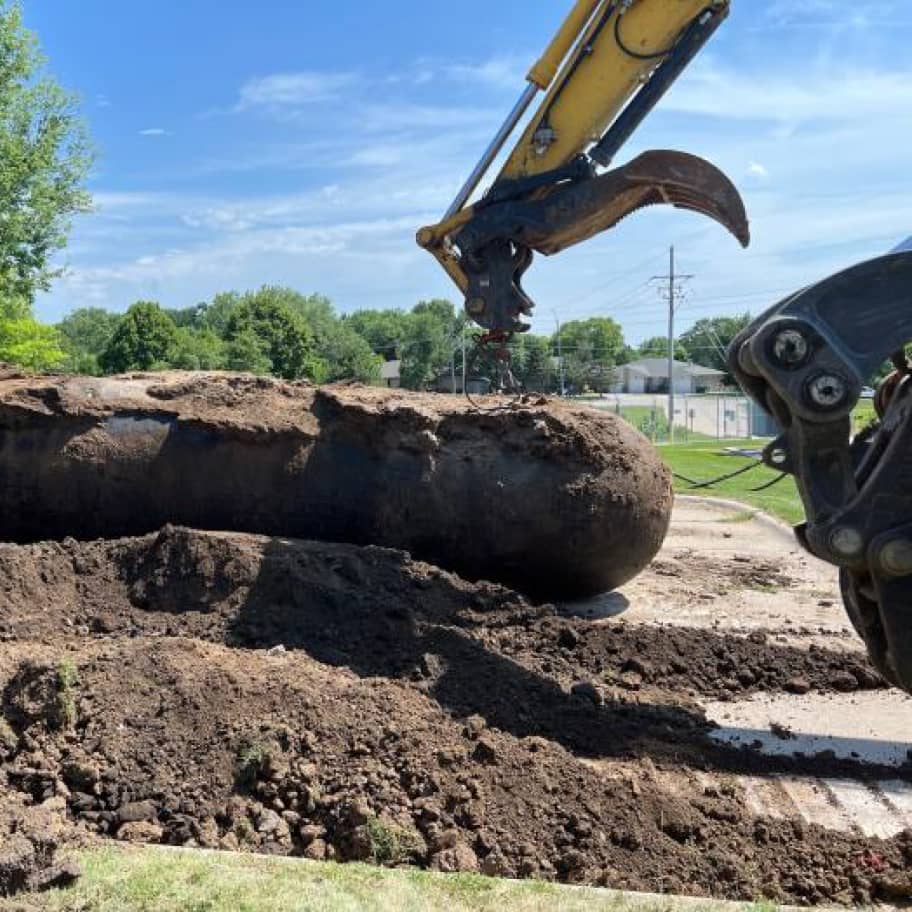
Four-Station Retirement, 2,300 Gal.