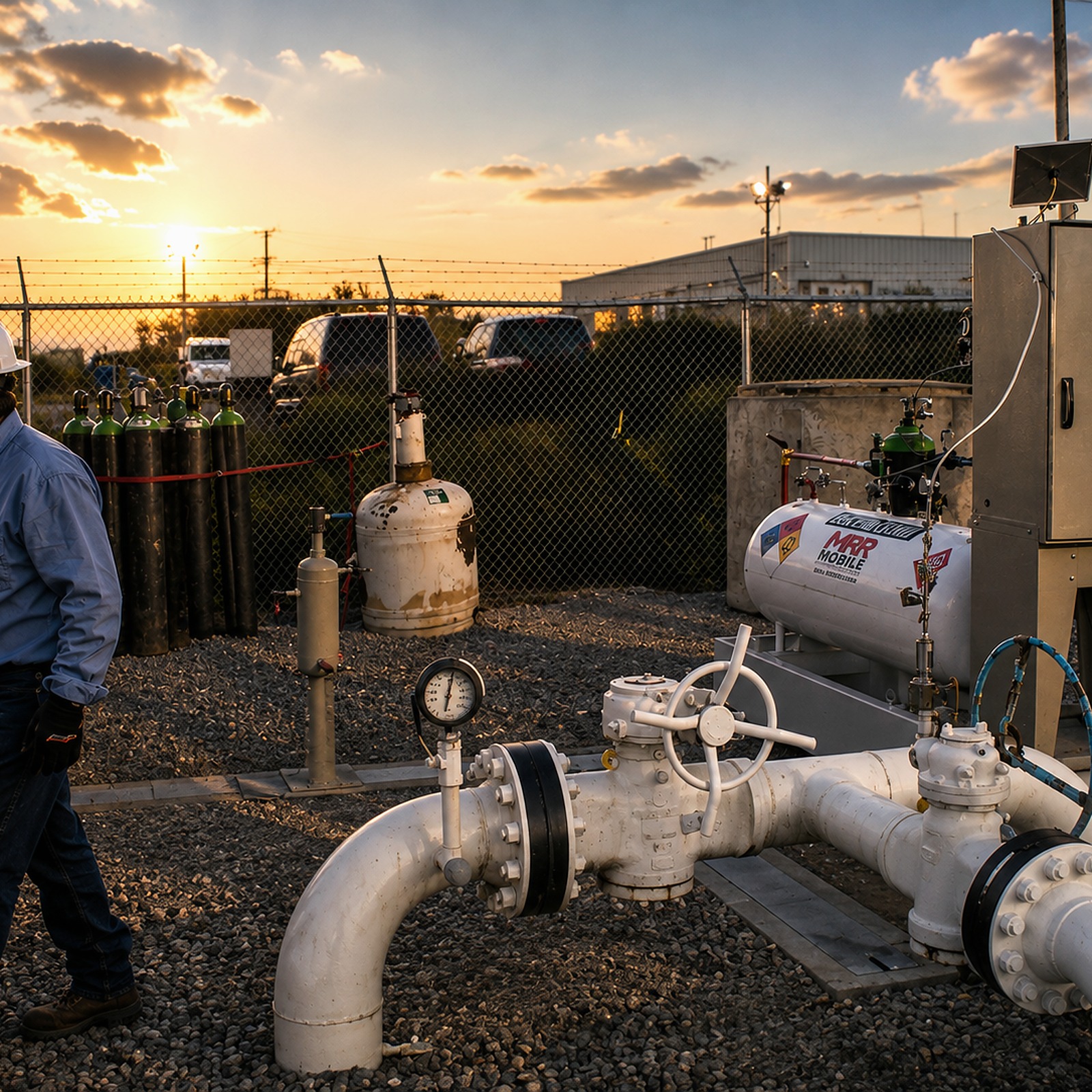
Decommissioning
Turnkey Removal, Managed End-to-End
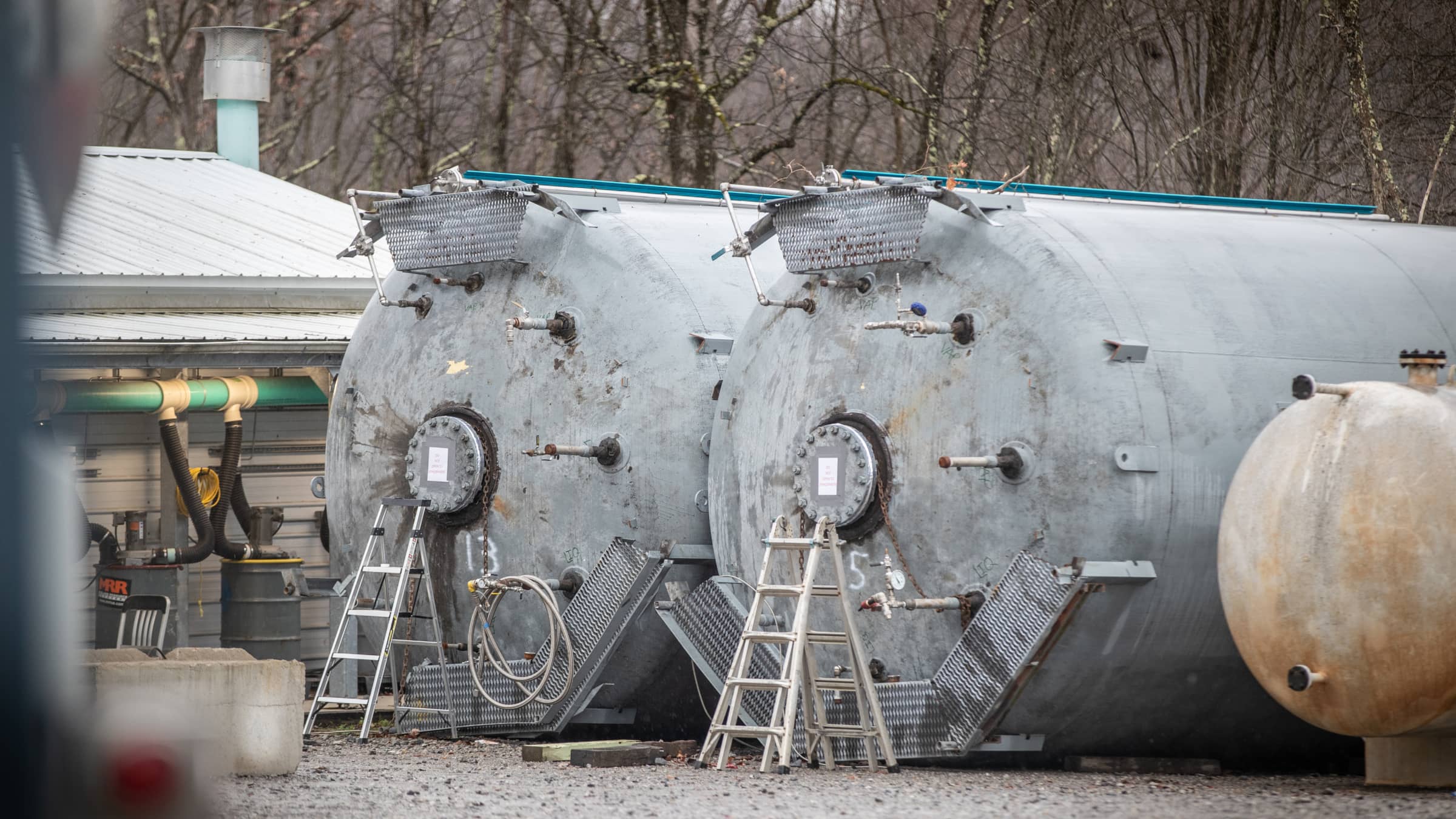
Taking odorant equipment out of service is not a mechanical task; it's a risk event. Tanks, lines, and odorizers that have been in service hold some of the most difficult chemicals in the gas industry, and the consequences of getting removal wrong are odorant release, community complaints, environmental exposure, technician injury, and a project that runs long and over budget.
MRR delivers turnkey odorant decommissioning: pre-planning and site assessment, odorant evacuation and containment, equipment isolation, removal, and transport, and final verification of site condition. MRR remains the one accountable party from the first walkdown through final destruction of the material, cradle to grave, coordinating qualified local trade partners where project conditions require them. Customers are welcome to audit MRR's odorant safety protocols at the facility before work begins, and odorant-exposed equipment is transported under MRR control to MRR's own processing facility in Philippi, West Virginia for final destruction.
Risk Removed, Not Transferred
Prevention, Not Cleanup
Odorant is evacuated and contained before a single fitting is broken. Preventing the release is the whole design of the process, rather than managing the fallout after one happens.
Specialists, Not Generalists
MRR technicians are trained in odorant handling to a standardized procedure, so execution is consistent regardless of project size or location. Decommissioning is never a learning experience in the field.
One Mobilization, Multiple Scopes
Decommissioning can be bundled with a new system installation, odorant filter transfers, or system upgrades: fewer site visits, lower total project cost, and a shorter schedule.
Removed Safely, Documented Completely
1
Pre-Planning and Site Assessment
Every decommissioning starts with understanding what's actually there: equipment condition, odorant volume and blend, site access, containment, and how the surrounding system has to keep operating during the work. MRR builds the removal sequence and safety plan around those conditions and around your operating schedule, because your system still has to run before, during, and after the project. MRR also encourages customers to audit its odorant safety protocols at the facility before work begins, for full transparency up front.
Odorant Evacuation and Containment
Before anything is disconnected, remaining odorant is evacuated and contained using purpose-built equipment and procedures developed over decades of odorant handling. Product that can be recovered is recovered, and vapor is controlled throughout. This is the step where decommissioning projects go wrong, and it's the step MRR is built around.
2
3
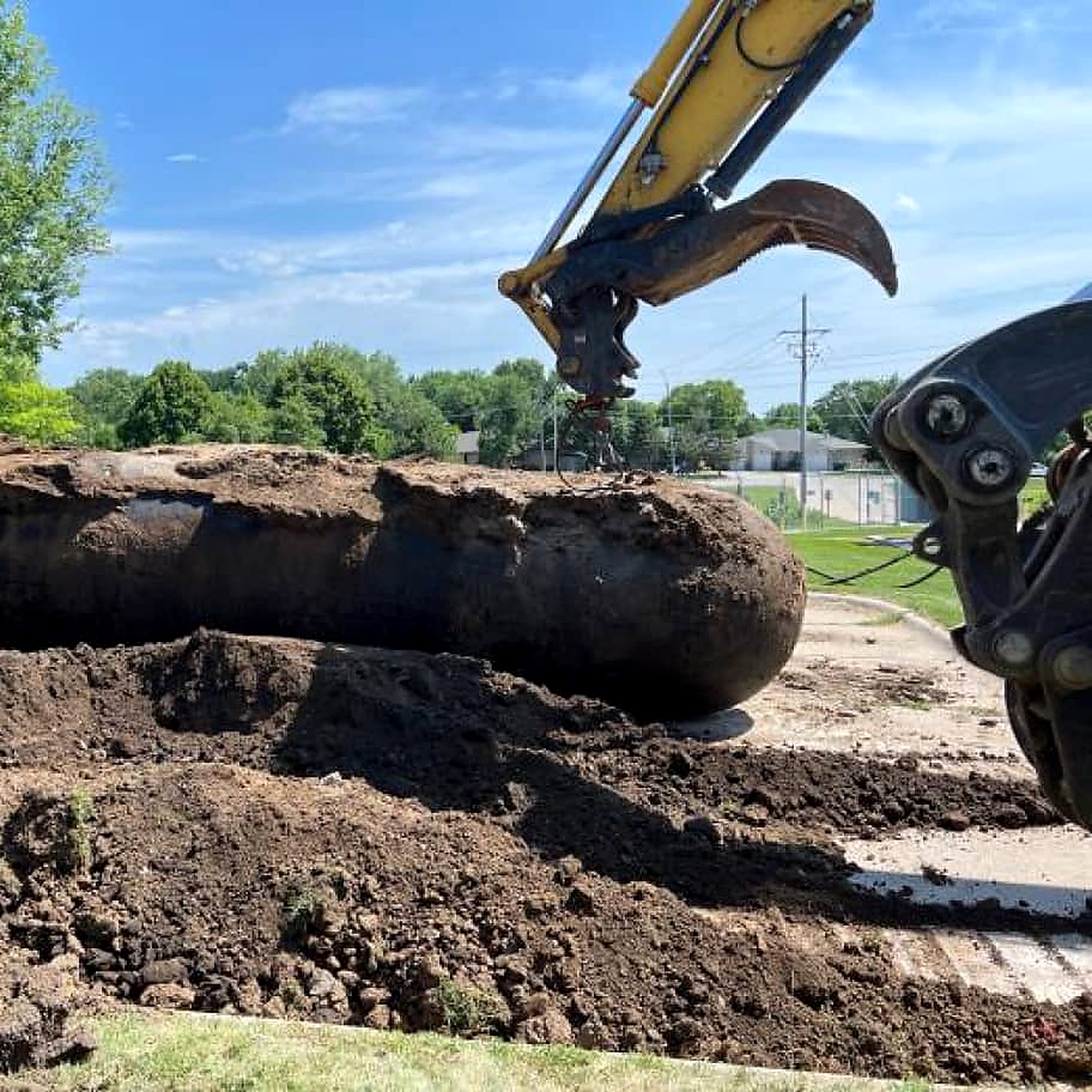
Equipment Isolation, Removal, and Transport
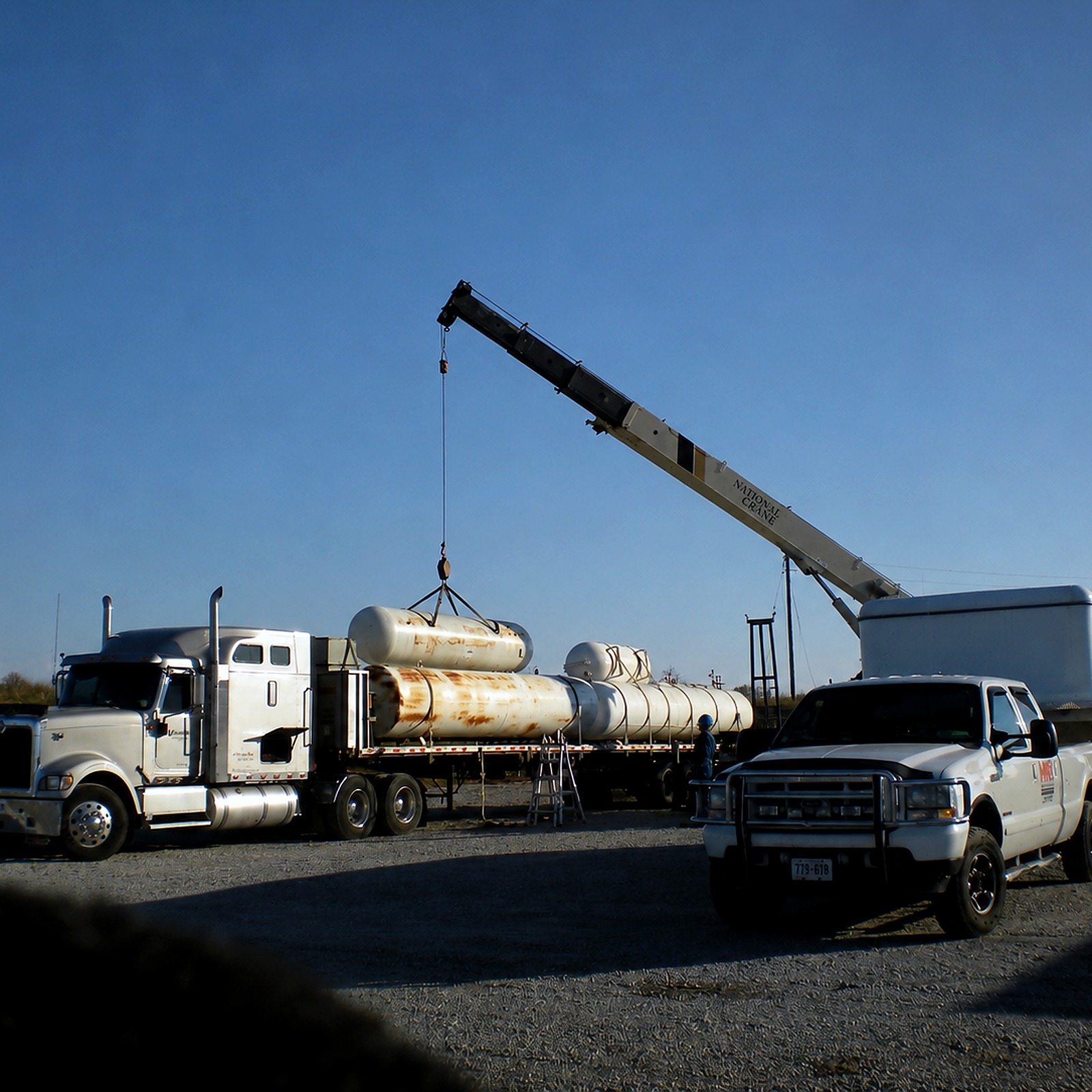
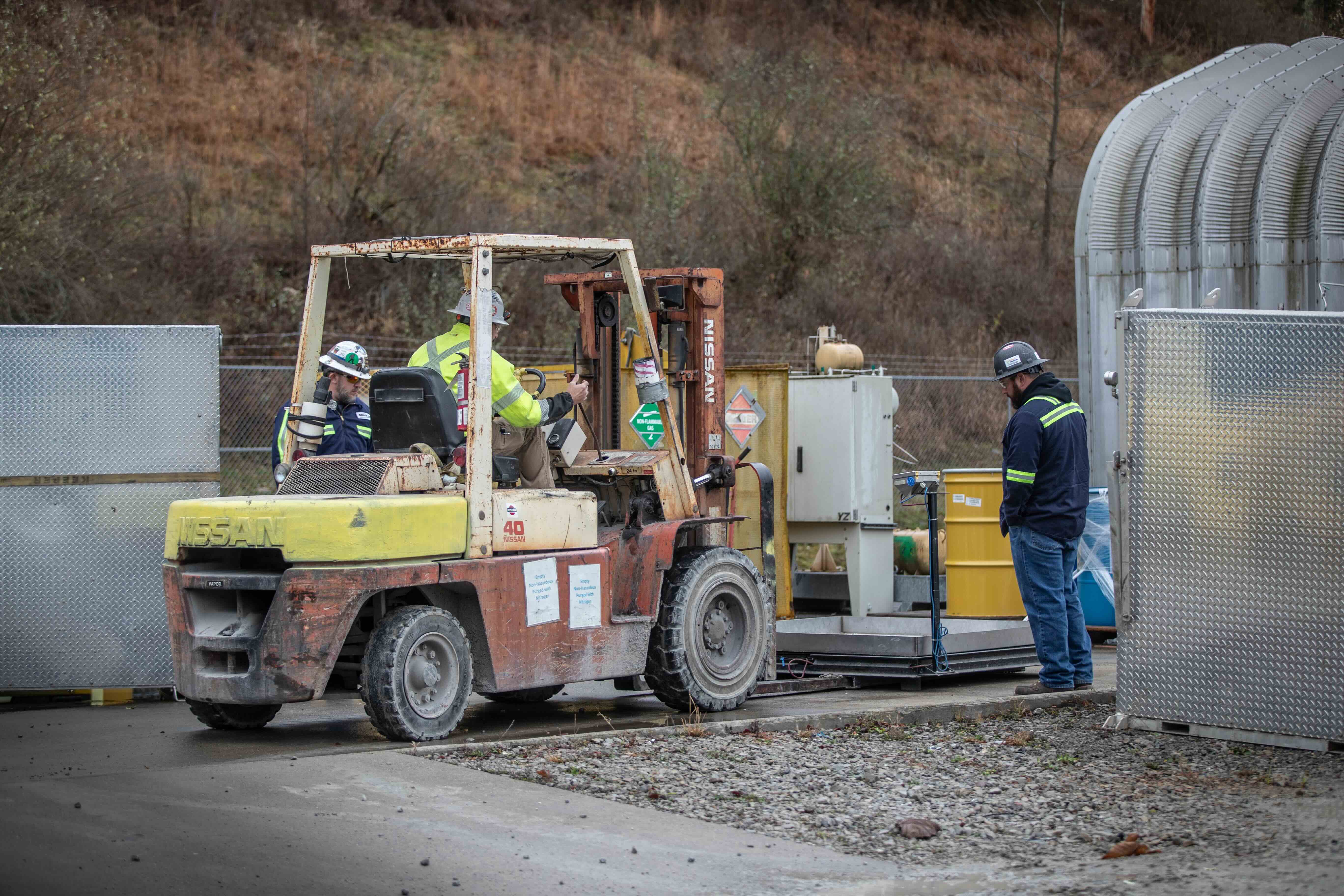
With the system clean, equipment is isolated, disconnected, and removed. Odorant-exposed assets are transported under MRR control for processing at MRR's own facility in Philippi, West Virginia, not handed off to a third party. That is what keeps the chain of accountability intact from your site to final disposition.
Site Verification and Turnover
MRR verifies final site condition before demobilizing and provides documentation of the work performed, closing out a cradle-to-grave chain that runs from the equipment in service to the final destruction of the material. Where the decommissioning is part of a larger transition, the new system installation, transfer, or upgrade proceeds on the same mobilization, so the site goes from old system to new without a second project.