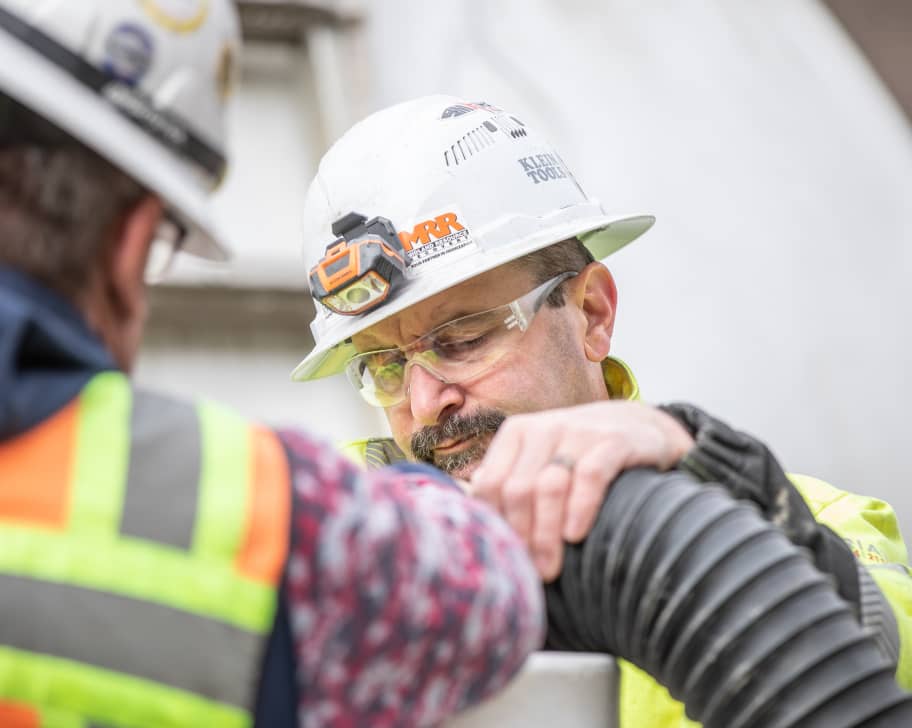
Risk Management
Validated. Documented. Defensible.
Why It Matters
Odorization is a critical safety system in a gas network, and one that depends on a human nose — which means it can fail quietly. Too little odorant and a leak goes unnoticed; too much and utilities field nuisance leak calls and put equipment at risk. MRR helps operators get the right amount, validates performance against the standards they're held to, and responds when something has gone wrong.
What Validation Protects
Early Risk Detection
Odor fade, contamination, moisture, and injection drift are all detectable before they reach the customer meter.
Regulatory Compliance
Tested against 49 CFR 192.625 in the U.S. and CSA Z662 in Canada, backed by audit-ready documentation.
Optimized Injection Rates
Enough odorant to be readily detectable. Not so much that it drives leak calls and wears on equipment.
Evaluate, Validate, Correct
Our Process
1
Evaluate
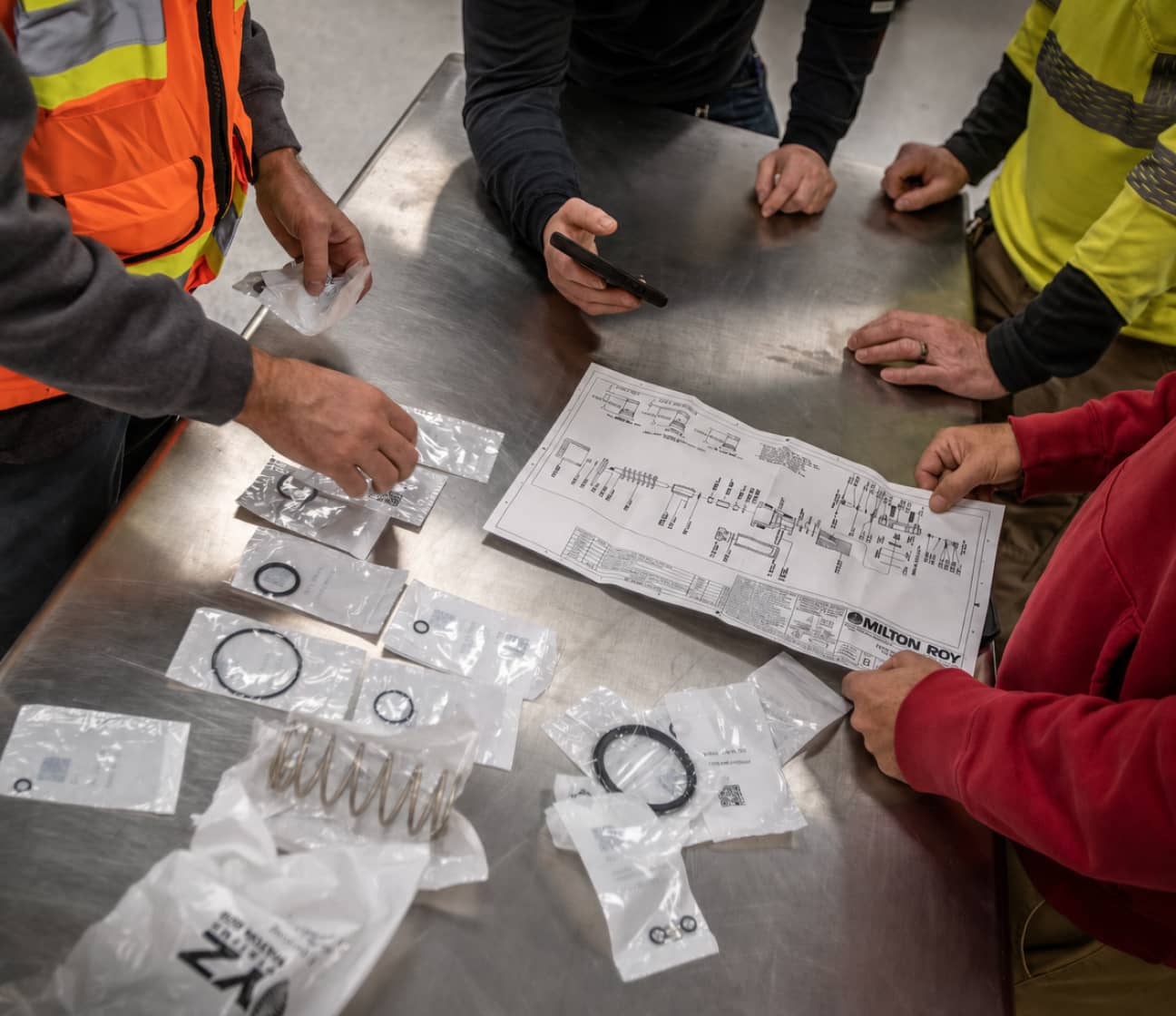
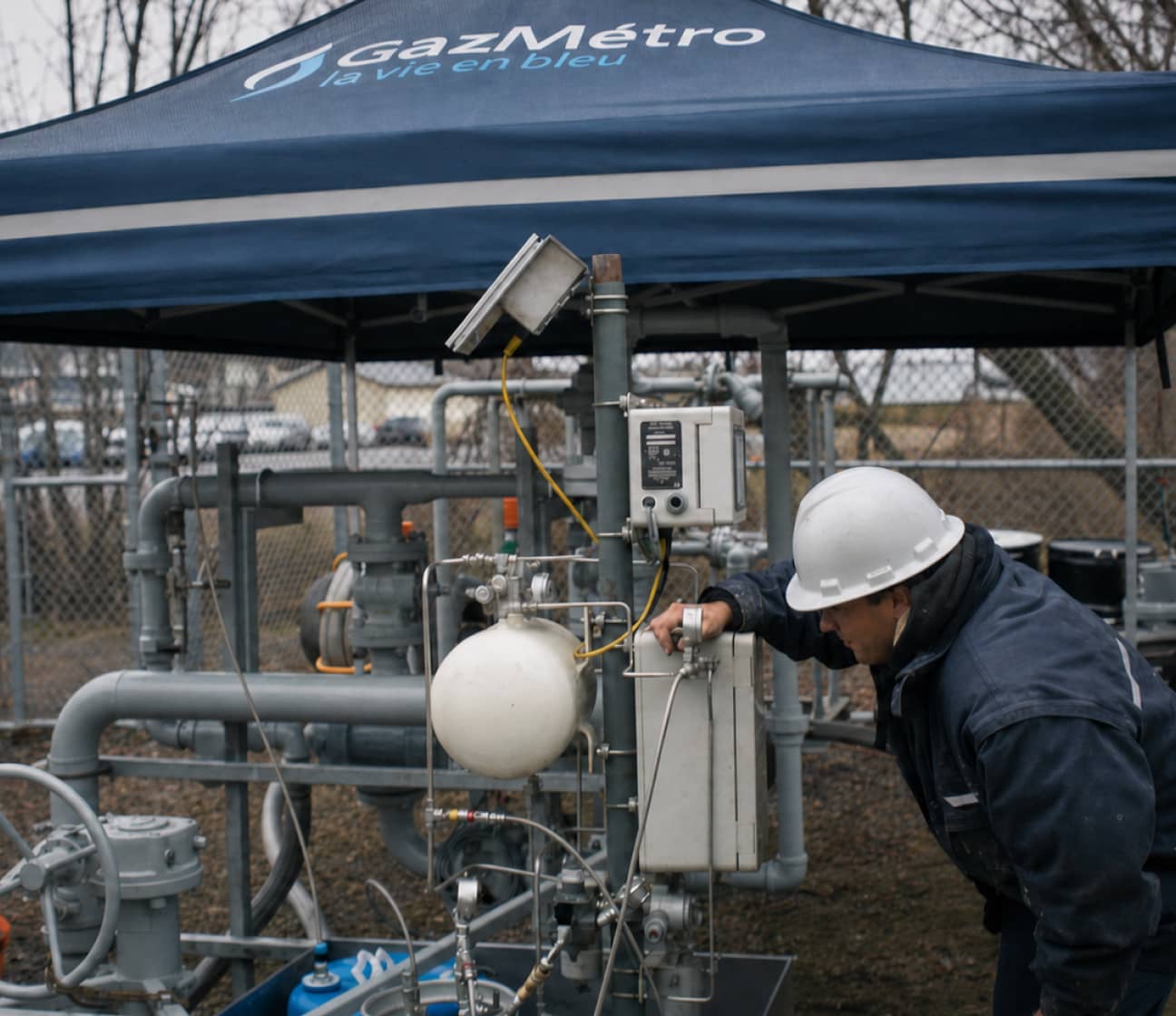
Review of the system, its operating conditions, and the factors that put odorant performance at risk: infrastructure design, pipe characteristics, flow conditions, and how the system has actually behaved over time.
Validate
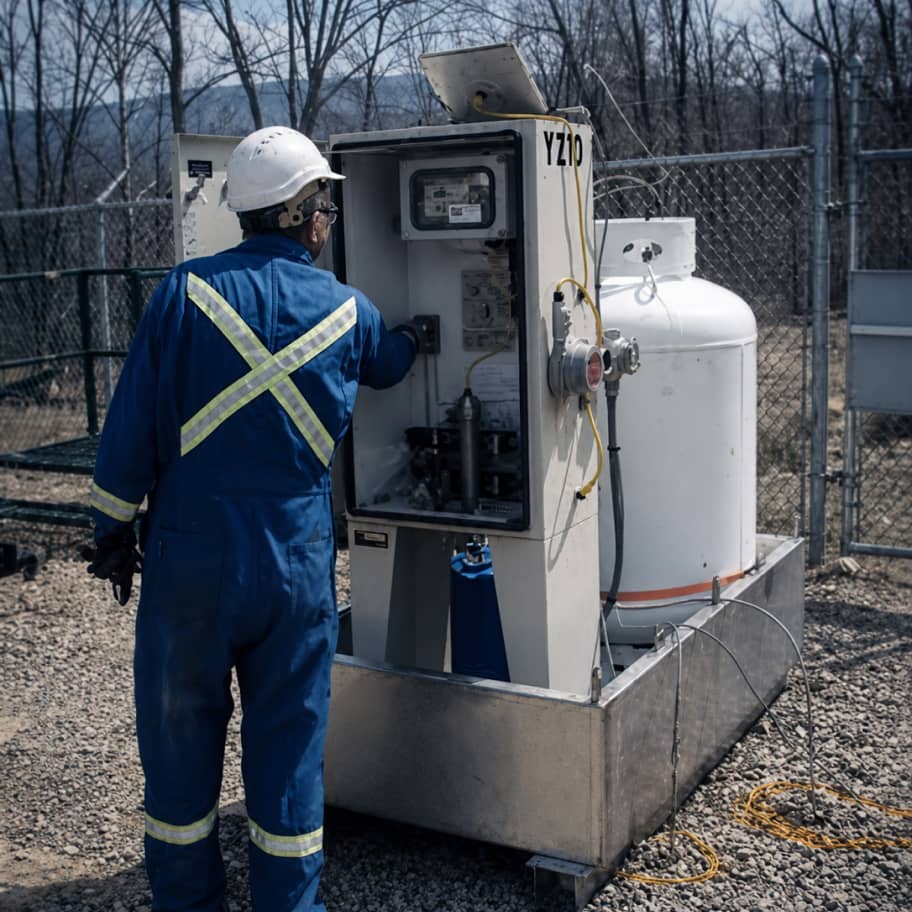
Field and laboratory testing, including MAV™ (MRR Analytical Validation), injection verification, and detectability assessment across the system, measured against regulatory requirements rather than design assumptions. Each project produces documentation an operator can hand to a regulator.
2
3
Correct
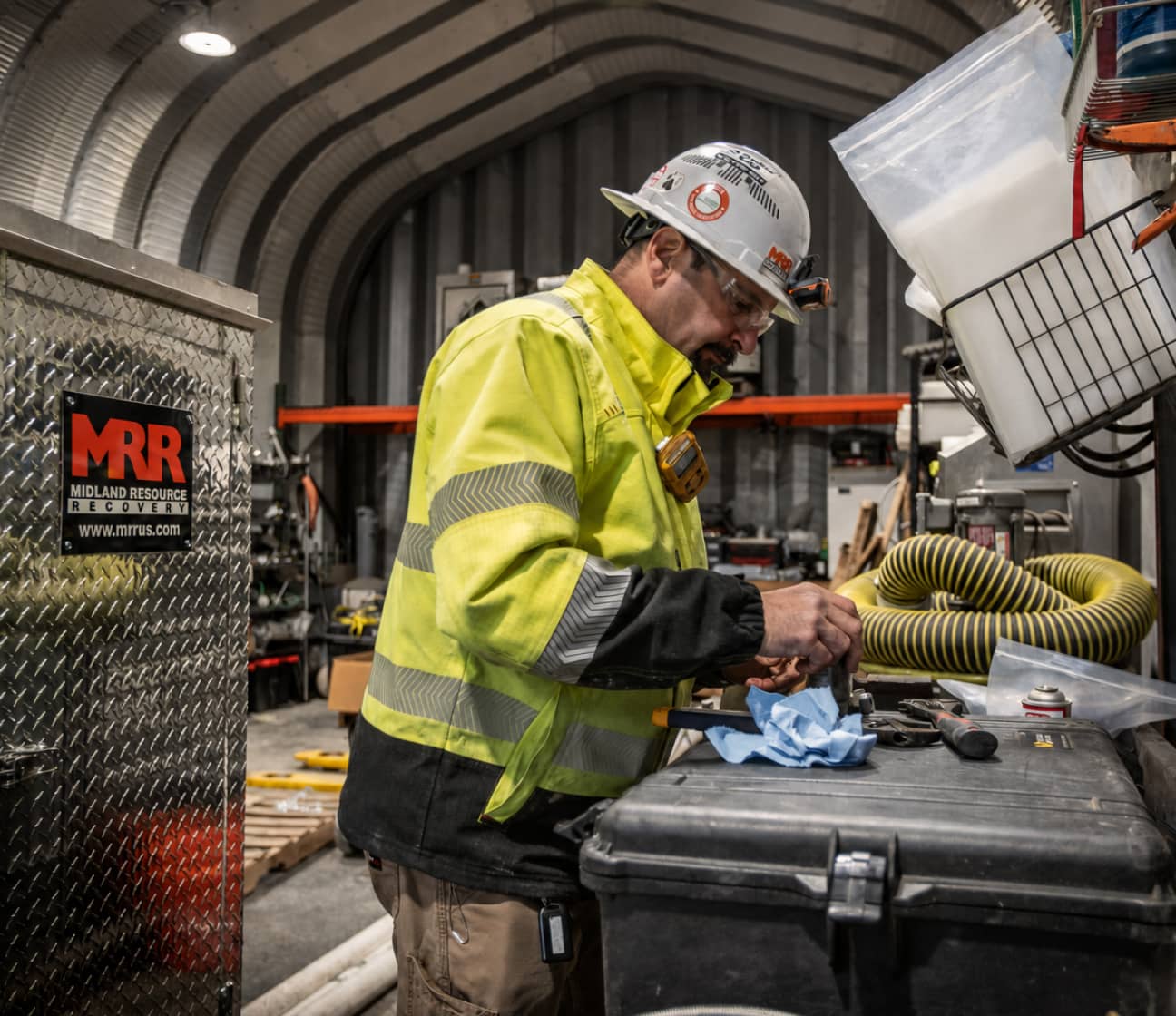
When issues are identified, we work with operators to implement corrective actions that restore reliable odorization performance: system adjustments, pipeline conditioning, equipment modifications, or operational changes. These improvements maintain regulatory compliance, strengthen system reliability, and reduce the risk of odorization failure.
MRR Risk Management Services
From MAV™ analytical validation to risk assessments and audit-ready records, MRR gives operators a data-driven, defensible view of odorization performance, catching odor fade risks and compliance gaps before they become incidents.
Our teams mobilize quickly to contain spills, control odors, and protect nearby communities and operations, and we supply purpose-built odorant spill kits to enable rapid response in the field. Available 24/7 at 1-844-900-1MRR.
MRR manufactures and sells the consumables that keep odorant contained and neutralized: EZ Carb™ activated carbon filters, mercaptan spill kits, and odor control liquids — DEOmer's all-season formula and Mask-O's orange formula.
Our team assesses odor detectability, identifies operating conditions that may contribute to odor fade, and provides technical guidance to ensure gas remains reliably detectable throughout complex building and facility infrastructure.
MRR training programs help operators safely manage odorization systems and equipment, covering system operation, maintenance practices, and emergency response so personnel can manage odorization infrastructure with confidence.
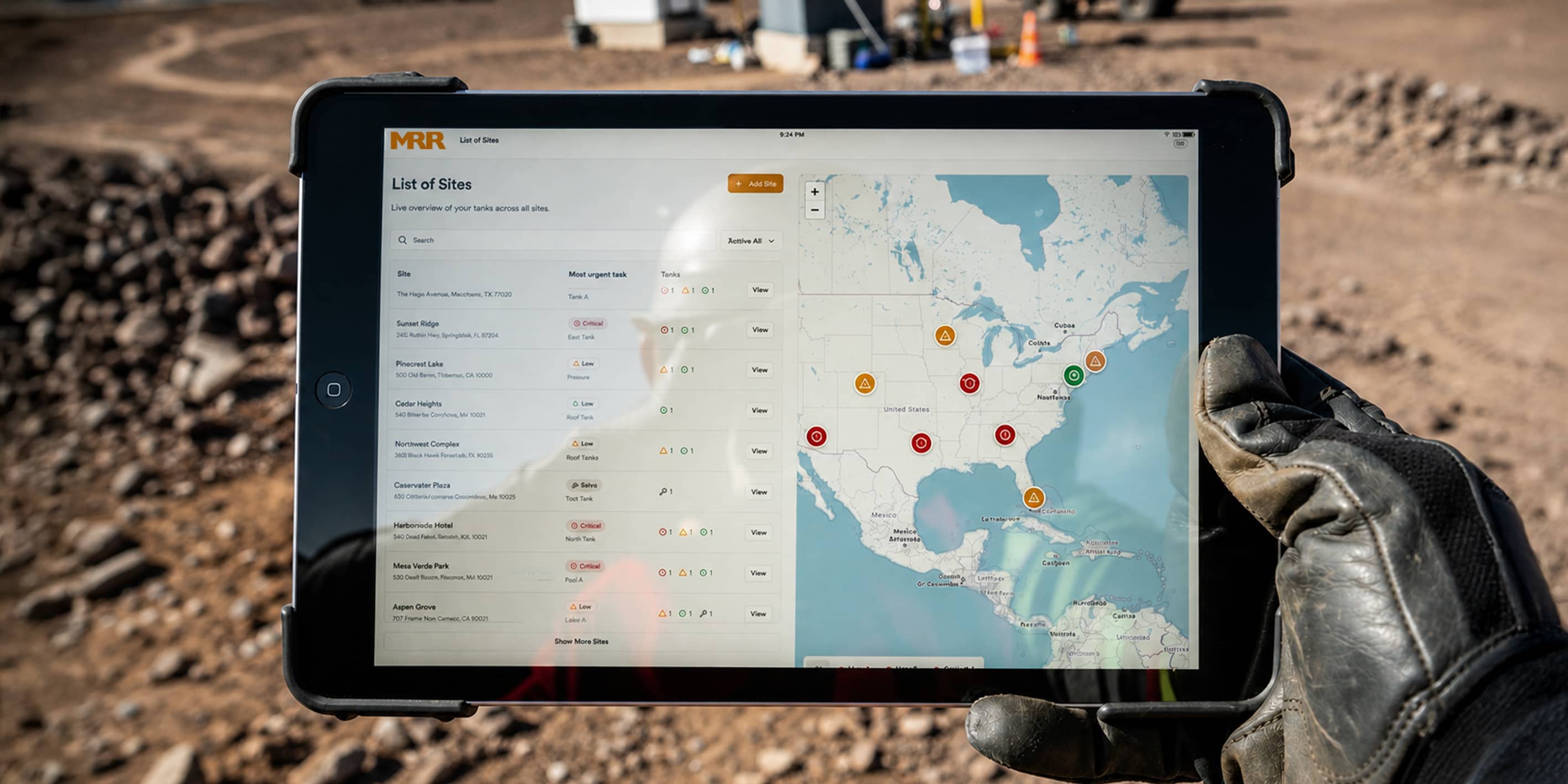
Running low on odorant is a quiet compliance risk. Watchtower™ monitors tank levels remotely, scheduling refills on actual consumption, with installed equipment your team monitors or a service MRR watches, and full performance data either way.
Client Success Stories
Compliant, Documented, Prepared
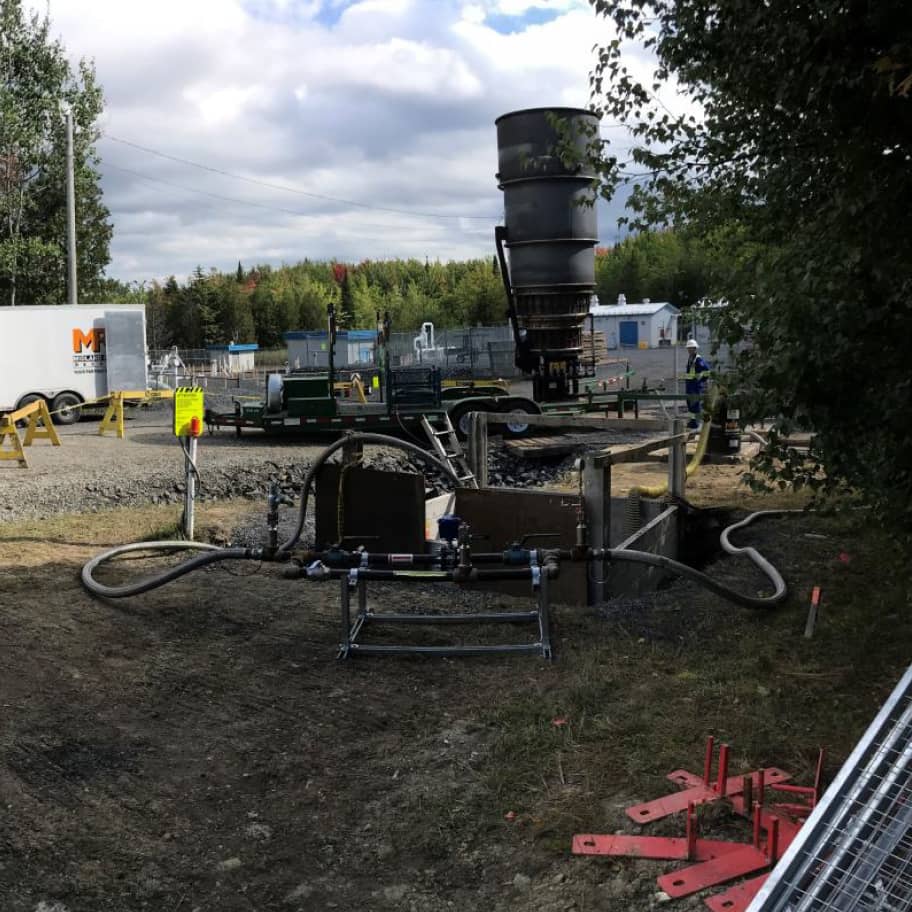
12-Inch Odorant Drain and Incineration
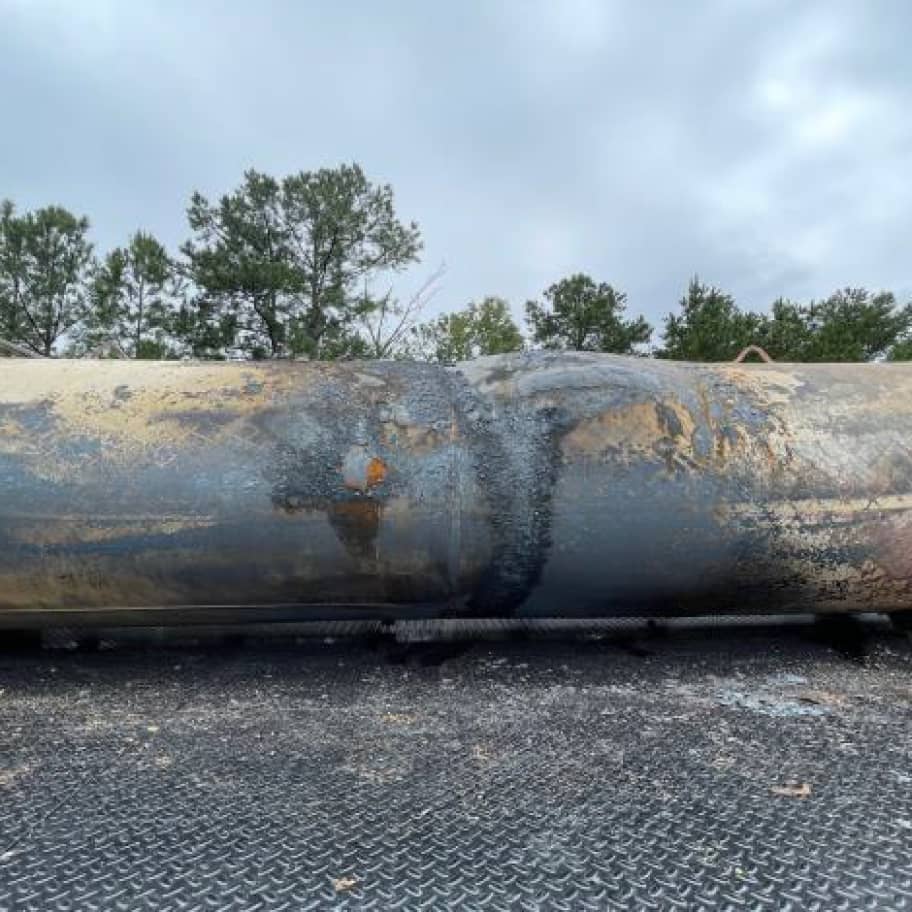
Three-Tank Decommissioning
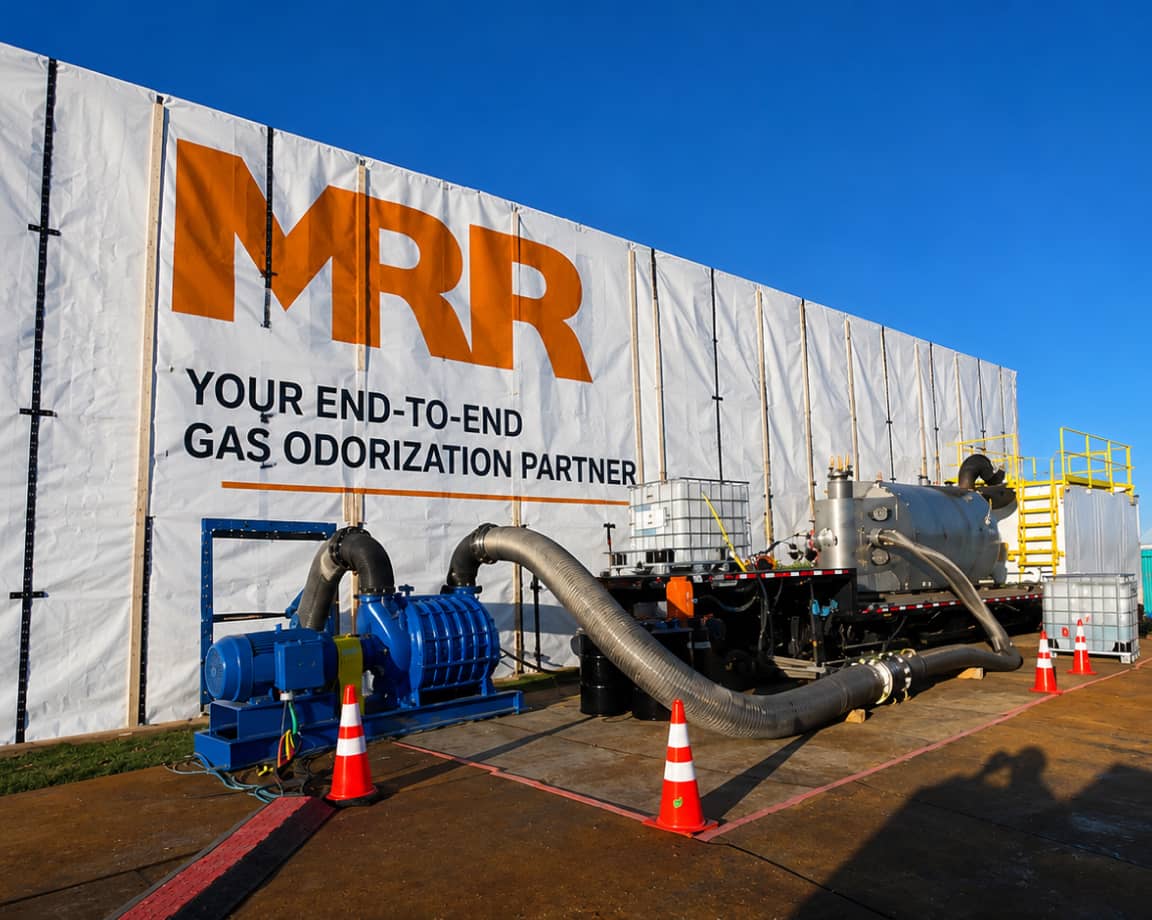
Large Mercaptan Spill Remediated

One Partner
Full Odorization Lifecycle
System Design