Compliance & Validation
Odorization You Can Demonstrate
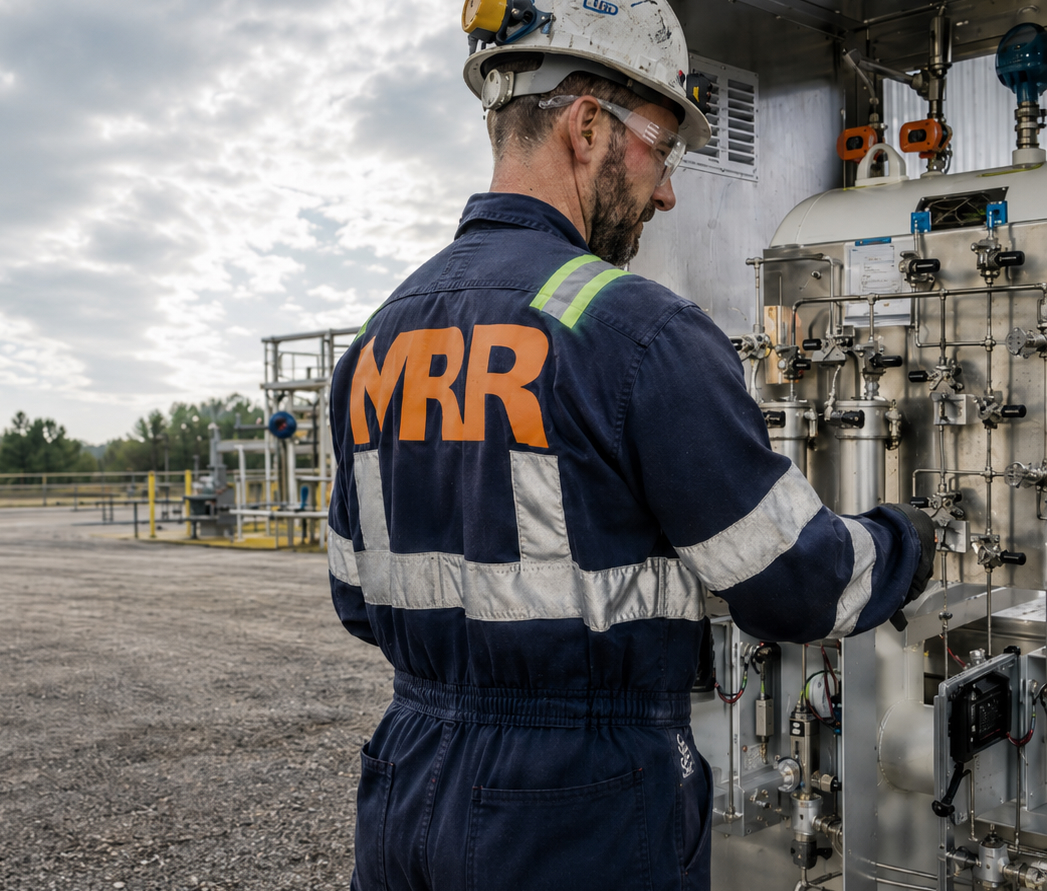
Odorizing gas and proving the gas is odorized are two different problems. Injection rates can look correct on paper while odorant fades against pipe walls, degrades in storage, or falls below detectable levels at the far end of a system. Measured performance is what turns an odorization program into something you can stand behind.
MRR provides the analytical side of odorization: sampling gas across your system to measure what it actually carries, identifying the conditions that put performance at risk, and issuing documentation that stands up to regulatory review. Validation closes out MRR conditioning and installation projects as standard, and is also run on its own when odor complaints need diagnosis, an audit is coming, or a system warrants a recurring program. MRR's own validation framework samples gas at multiple points across the system, including the far ends where fade risk is greatest, building a complete picture rather than relying on a single reading.
Validation That Holds Up
Multi-Point Sampling
Gas is sampled at multiple points across the system and analyzed for odorant concentration, so you know what it actually carries, where, and under what conditions.
Identified Before They Escalate
Odor fade, contamination, and the operating conditions that undermine performance are identified before they become leak calls, complaints, or violations.
Documented, Not Assumed
Every validation closes with measured data and a report confirming how the system performed against specification, the record you hand an auditor, not an opinion.
Validation Across the System
1
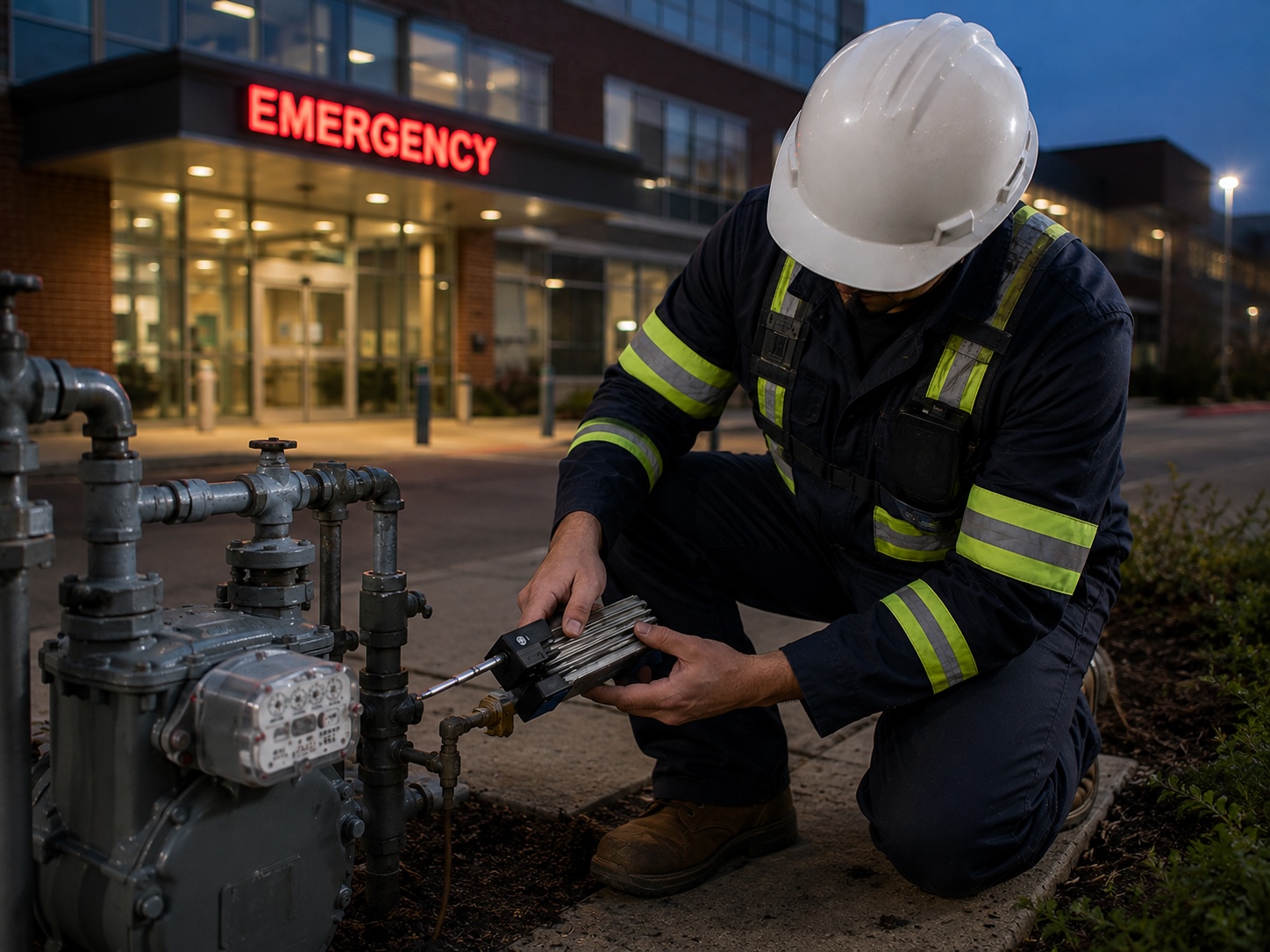
MAV™ Odorization Validation
MAV™ (MRR Analytical Validation) measures what an odorization system is actually delivering. MRR samples multiple points across the system, including critical and far-end locations, to measure odorant concentration, identify odor fade and verify performance. Results are documented in a clear validation report confirming how the system performed against the required specification.
Troubleshooting, Audit Support & Project Close-Out
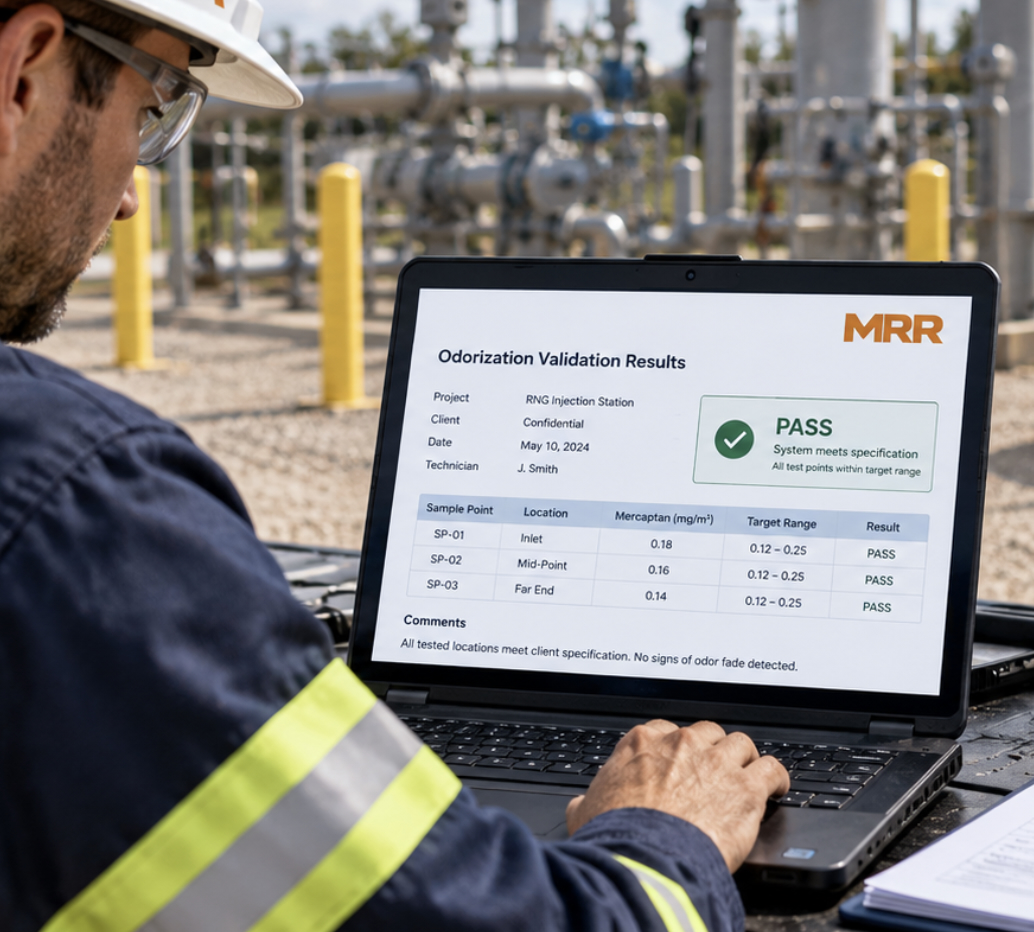
MAV provides defensible field data when odorization performance needs to be demonstrated. MRR uses it to validate new installations and pipeline conditioning projects before close-out, investigate odor complaints or failed readings, support regulatory and utility audits, and establish recurring validation programs that track system performance over time
2
3
Risk Assessment & Consulting
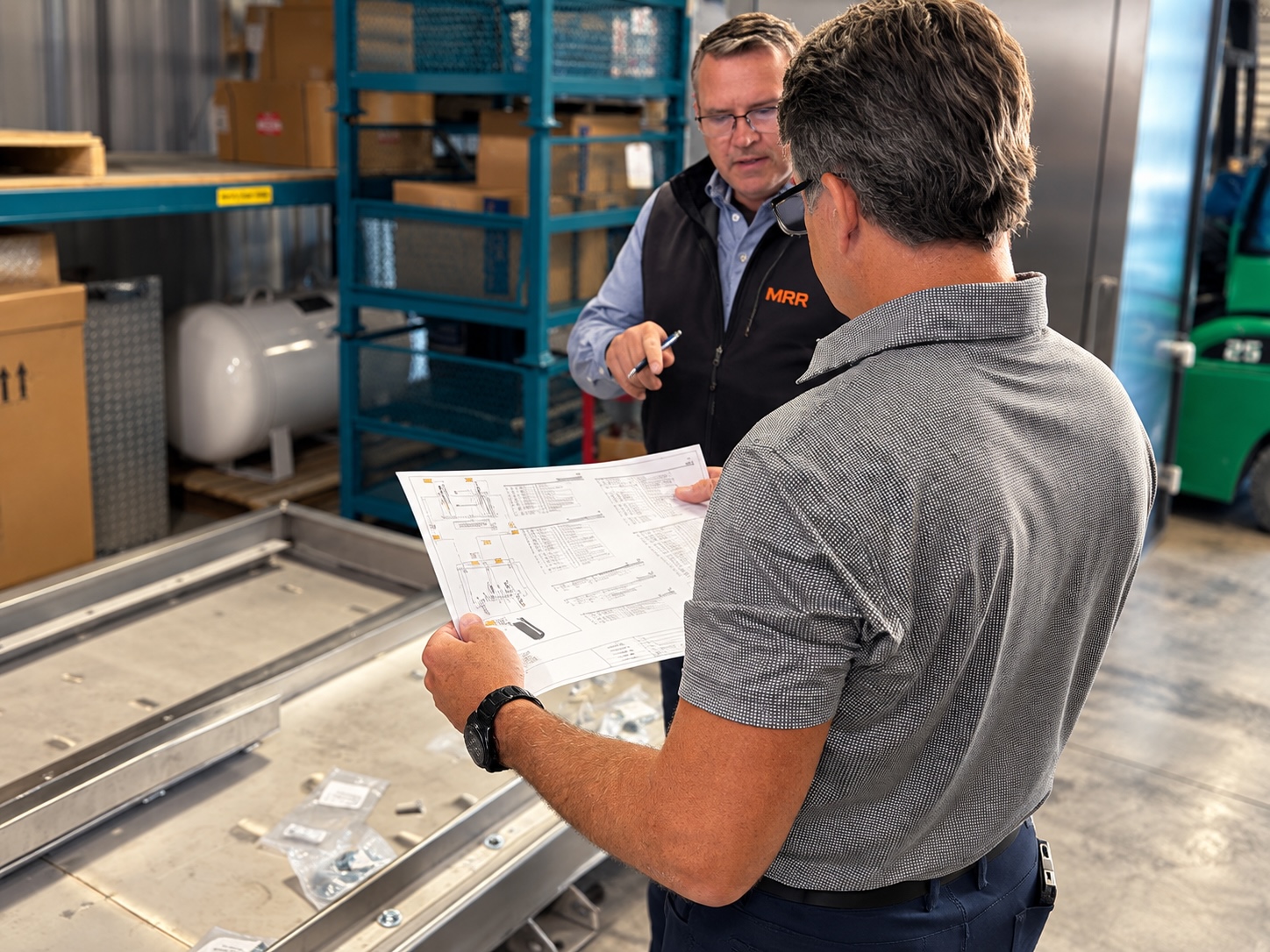
Some odorization problems can be identified in system design before they show up in the field. MRR reviews equipment configuration, operating conditions, pipeline characteristics and historical performance to identify potential odorization challenges and recommend practical changes. This includes design reviews and system assessments for utility, industrial, commercial and institutional applications where odor fade or inconsistent odorization may be a concern.
Odor Detectability for Critical Facilities
Hospitals, campuses, high-rise buildings and other complex facilities present a specific odorization challenge: gas may be properly odorized at the meter but become less detectable as it moves through the building. MRR evaluates odor detectability at representative points throughout the facility, identifies conditions that may contribute to odor fade, and provides practical guidance to help maintain detectable gas where people are present.