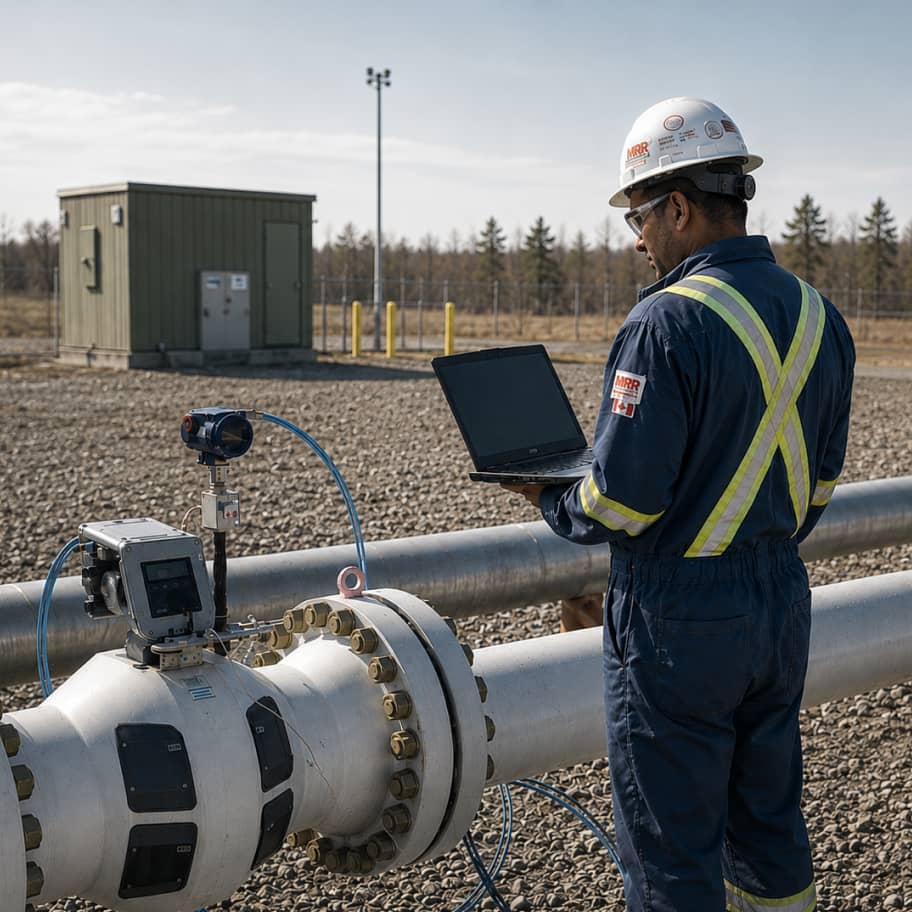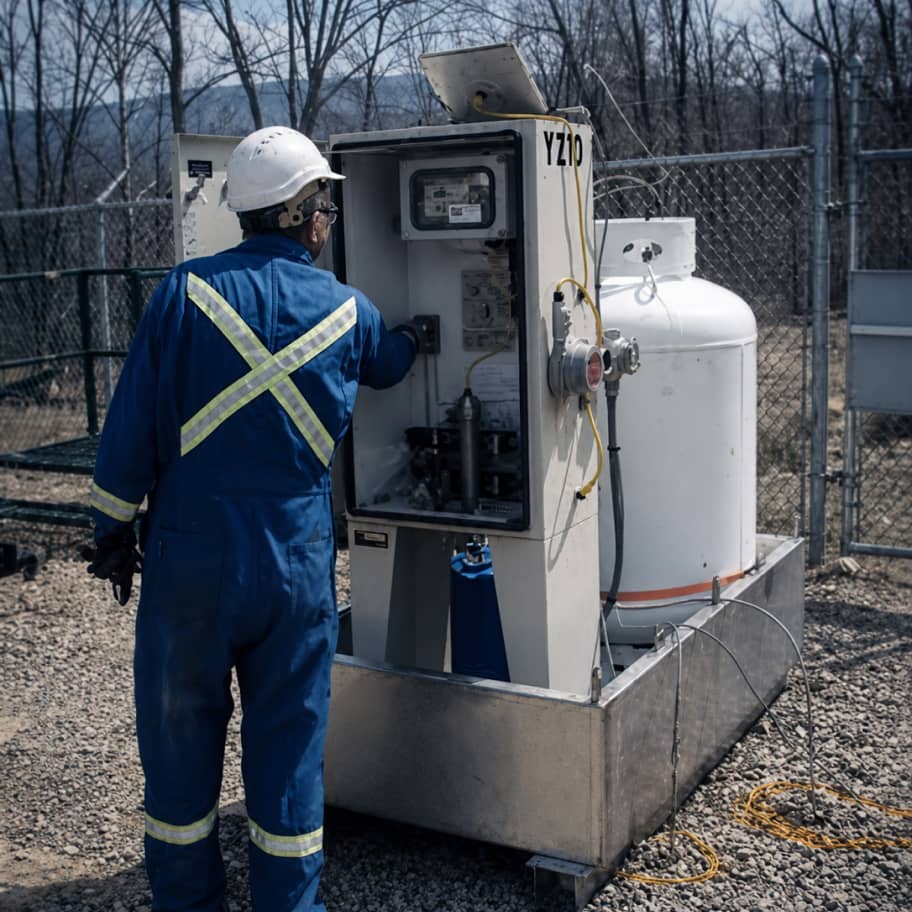
A natural gas operator in Ohio faced a situation where the permanent odorization at one of its facilities was out of service and the pipeline could not wait. Gas had to continue flowing to downstream customers, which meant the gas had to be odorized to the detectability standard from the moment it entered the affected section. The operator needed a temporary odorization capability that could be in place within days, operate reliably for as long as the permanent solution took to engineer and install, and leave no gap in the operator’s compliance posture.
This is the kind of situation that defines whether an odorization partner is a vendor or a partner. Standard equipment supply timelines do not survive a pipeline that needs odorant tomorrow morning.
Approach
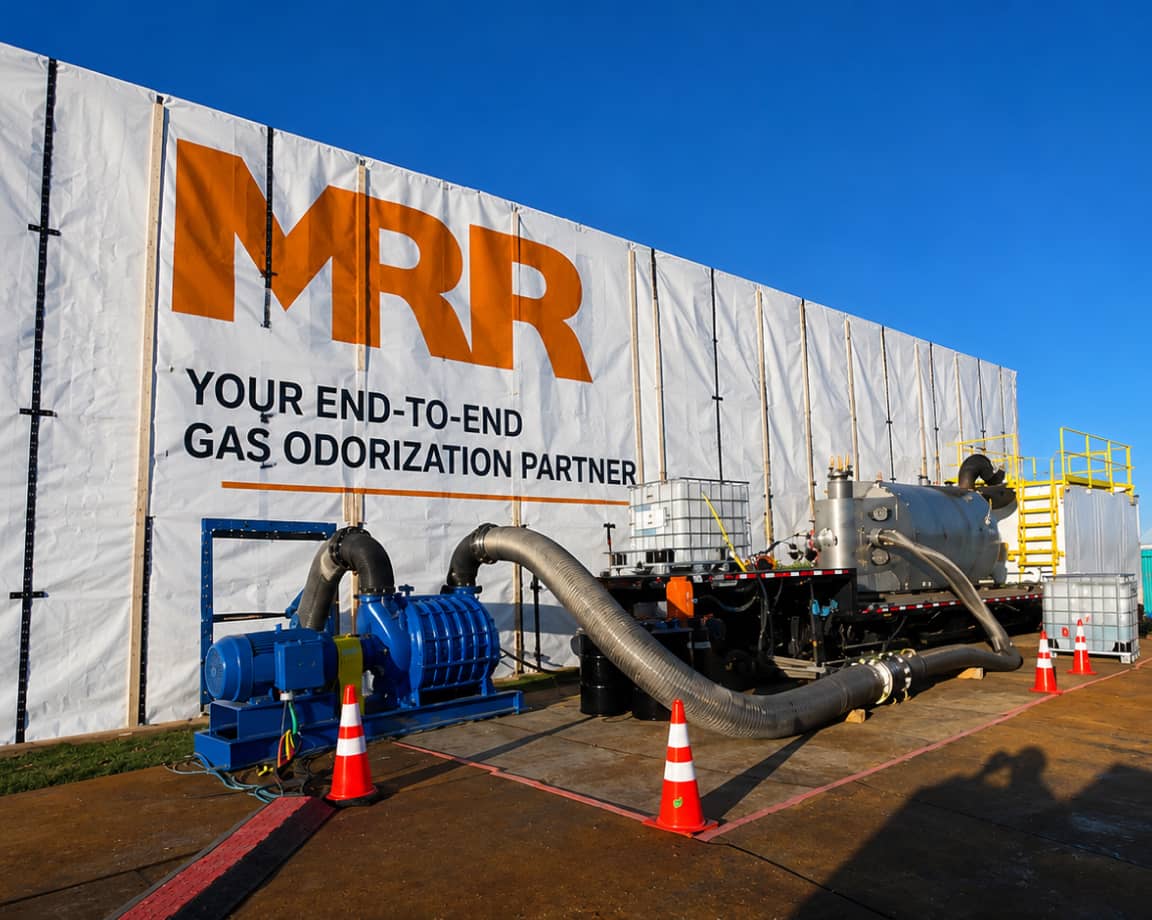
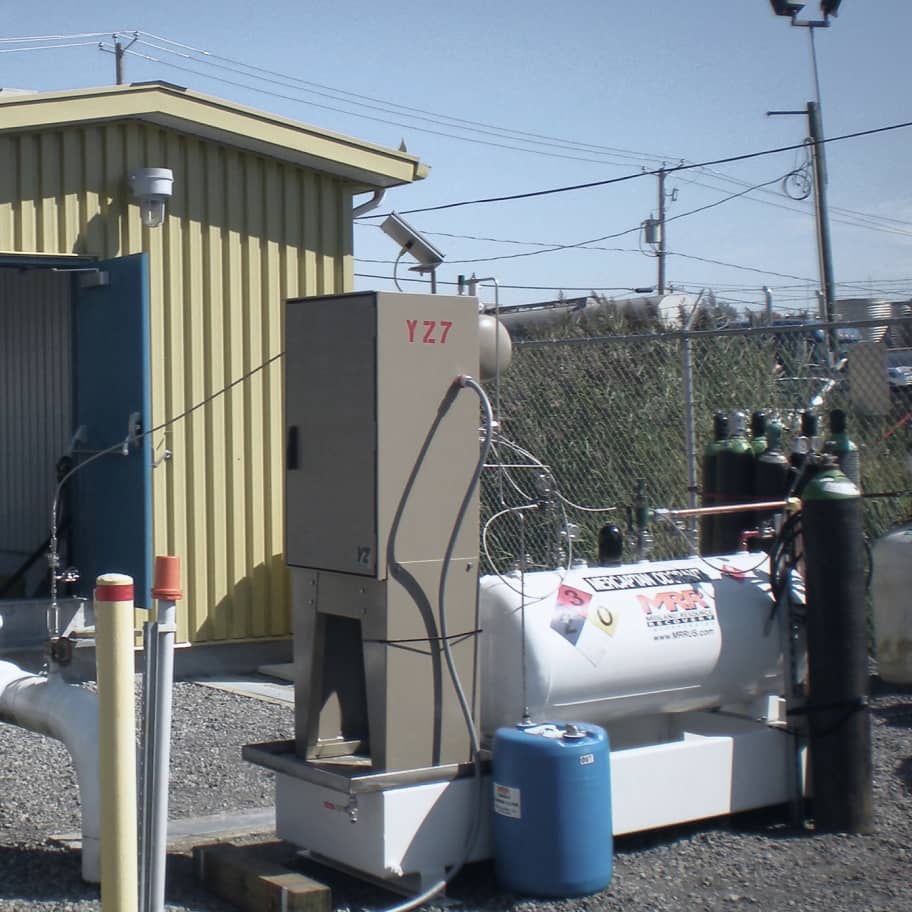
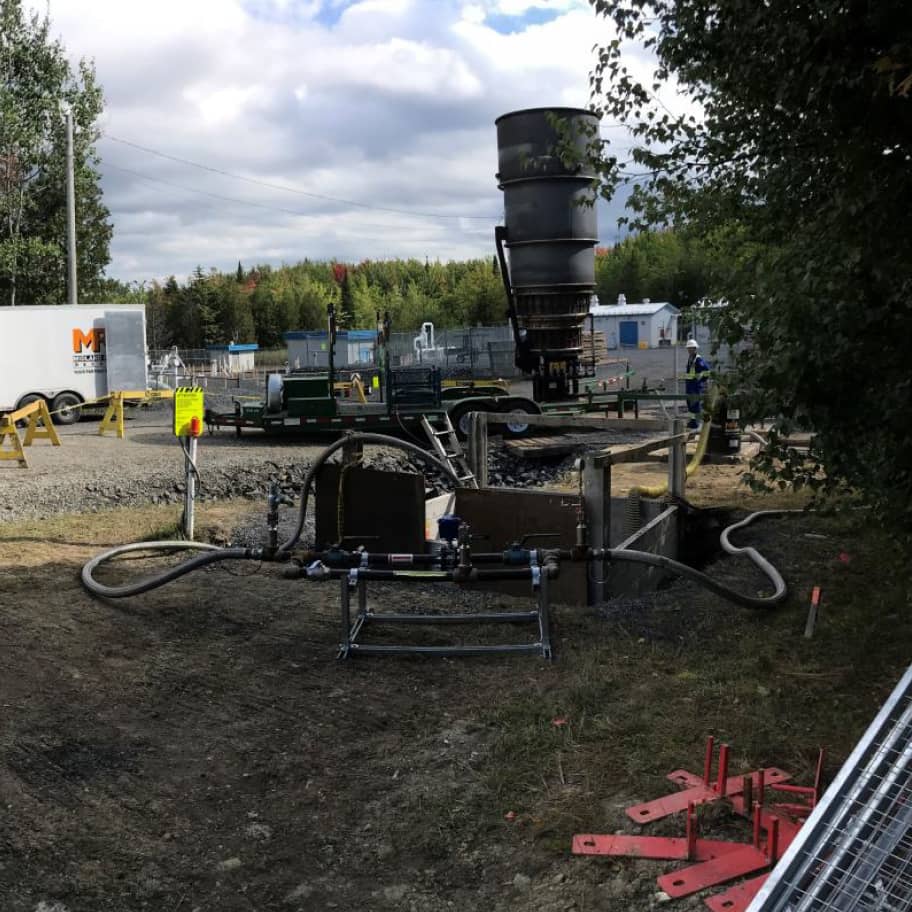
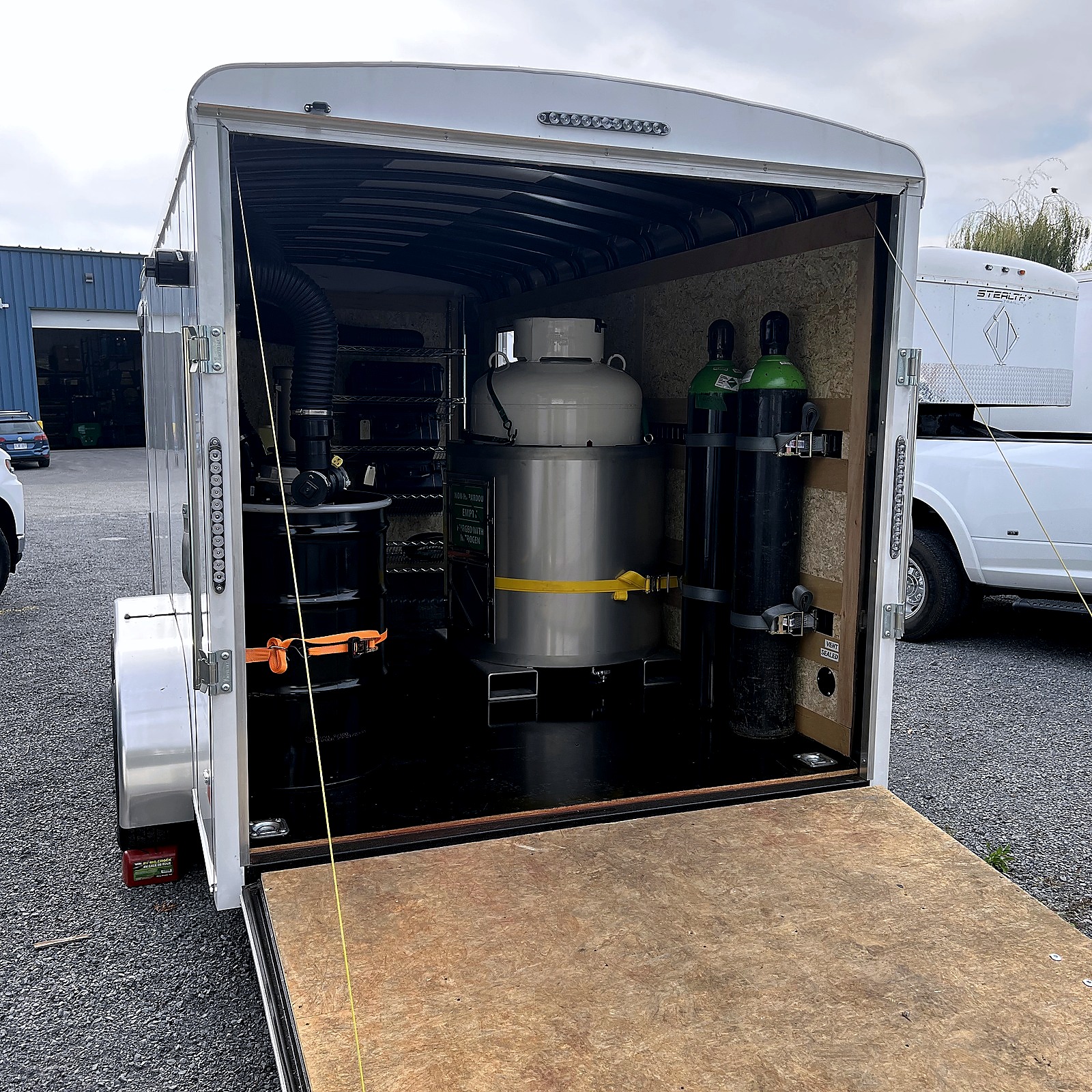
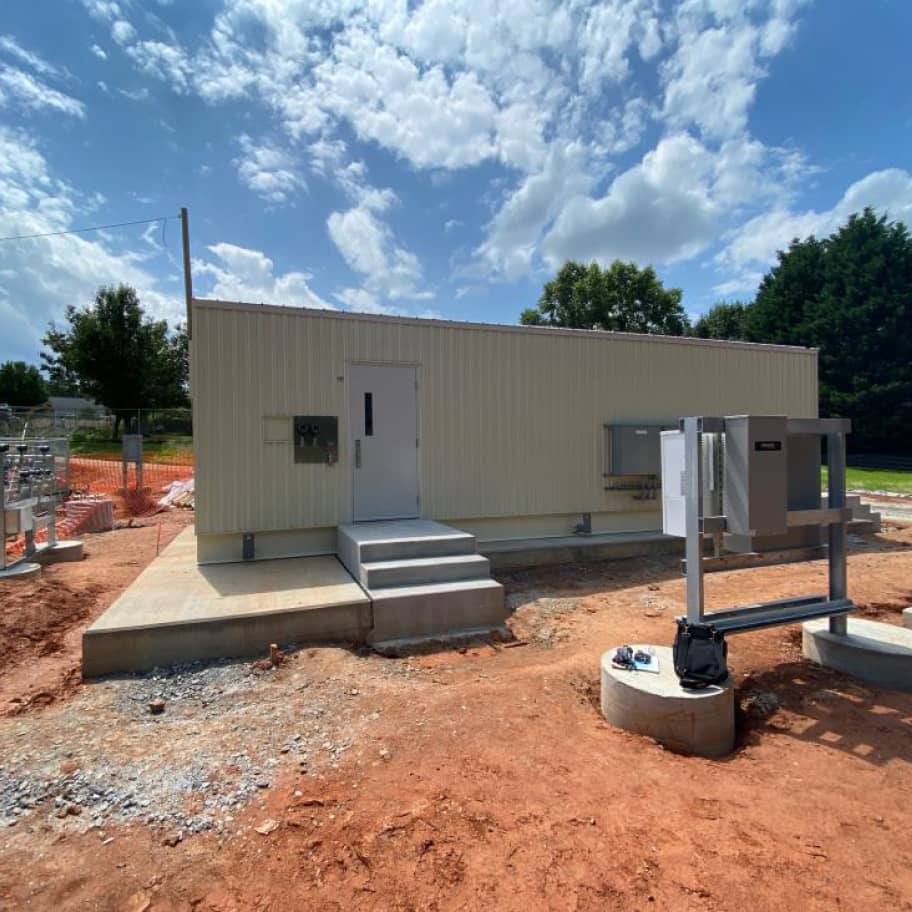
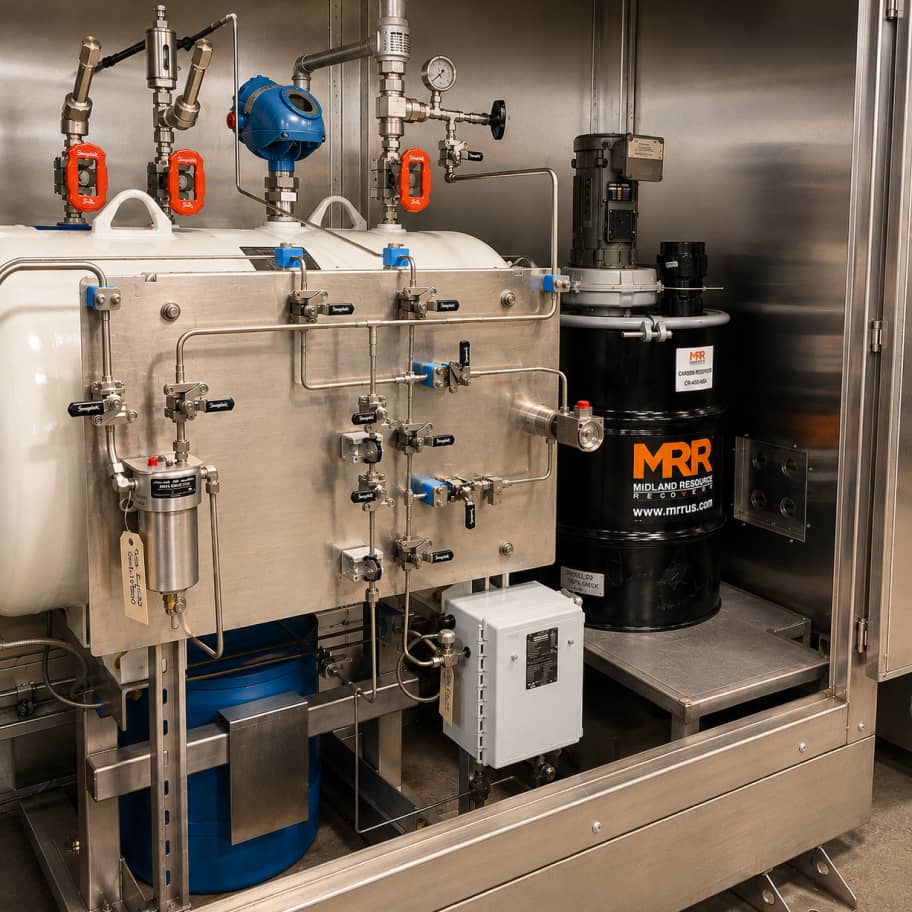
MRR mobilized temporary odorization skids to the site. The equipment was selected to match the operator’s flow requirements, sized for the duration of the permanent solution’s engineering and installation timeline, and configured for the specific site conditions.
The temporary skids were installed at the affected location and brought into service with the gas continuing to flow. The initial odorant delivery was made by MRR to bring the temporary system up to operating concentration. MRR field teams managed the changeover from the failed permanent system to the temporary skids, verified that downstream odorant concentrations met the detectability standard, and handed operations back to the operator’s team for ongoing monitoring during the temporary period.
For three months, the temporary system delivered odorant to the operator's detectability specification while the permanent replacement was being designed, fabricated, and installed. MRR managed odorant deliveries, performed maintenance on the temporary equipment as scheduled, checked downstream concentrations against the operator's target specification, and remained on call for any operational issues that arose during the temporary period.
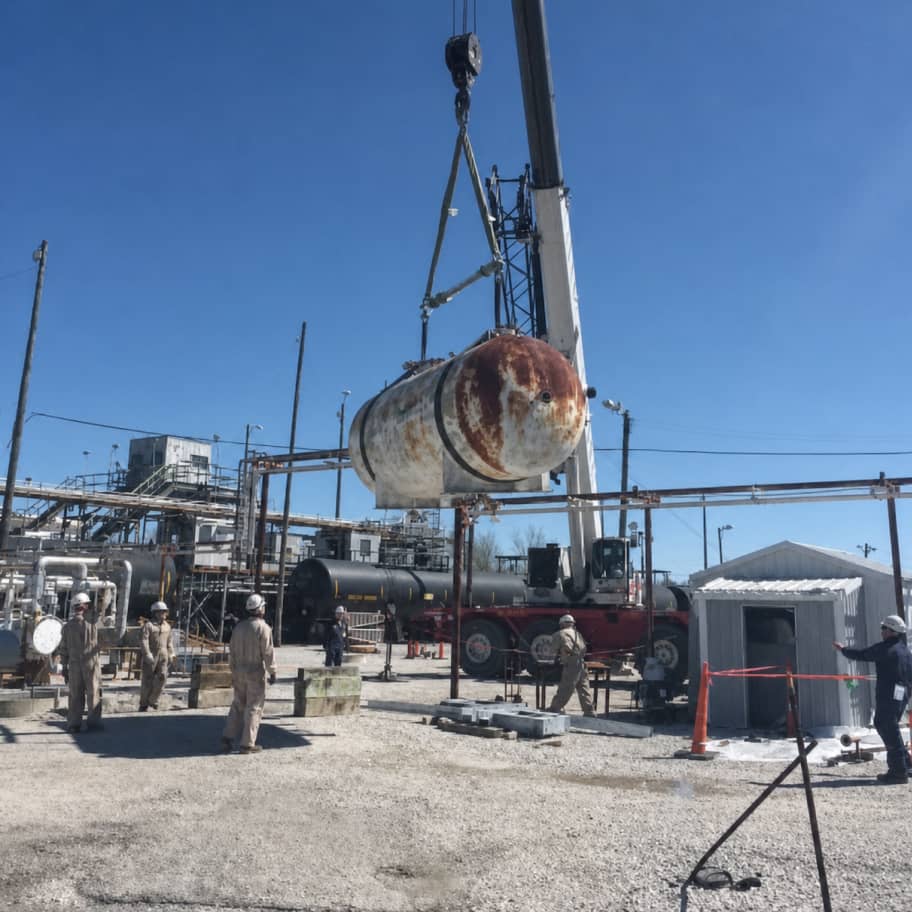
When the permanent system was ready for commissioning, MRR coordinated the transition. The new permanent equipment was tied in, the temporary skids were taken out of service, and the operator transitioned back to permanent odorization without a gap in odorant delivery. MRR then demobilized the temporary equipment from the site.
Outcome
The operator's odorization compliance continued through what would otherwise have been a multi-month gap in the system. Downstream odorant concentrations were checked against the operator's specification throughout the temporary period. The regulatory documentation reflected the temporary system's monitored performance, not an outage with a workaround.
The three-month project demonstrated something specific about MRR’s portable equipment capability: the temporary skids were not a generic solution adapted to the situation; they were equipment built and maintained for exactly this kind of deployment. The same trailers, skids, and odorant supply infrastructure that handle pipeline pickling, emergency response, and planned outage support also handle multi-month temporary coverage when the operator’s permanent system is between configurations.
For operators planning equipment upgrades, replacements, or facility modifications that will take the permanent odorization offline, temporary odorization is the bridge that keeps the system in compliance. The Ohio project is an example of the bridge working as designed.