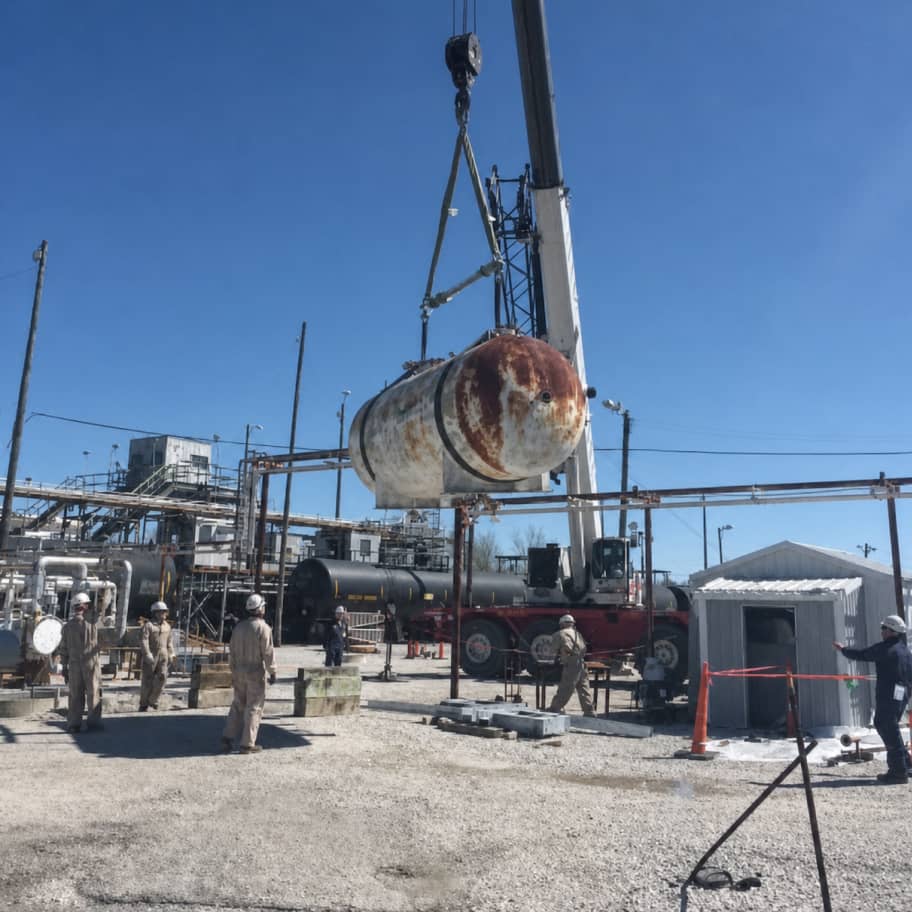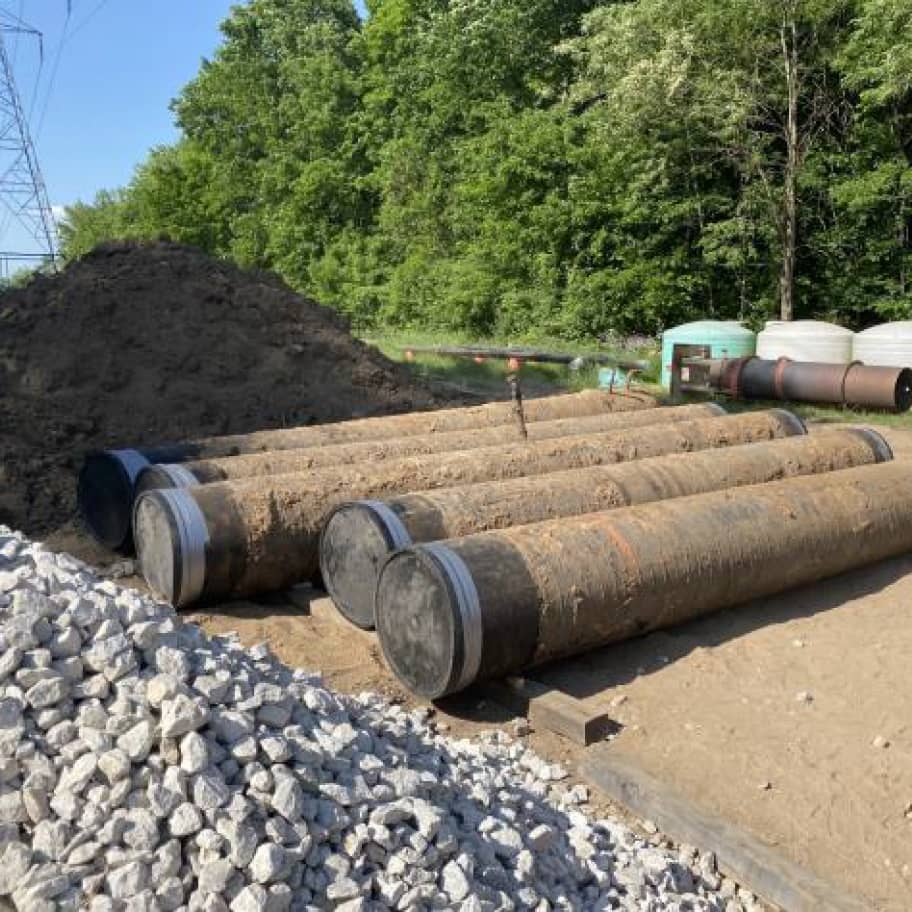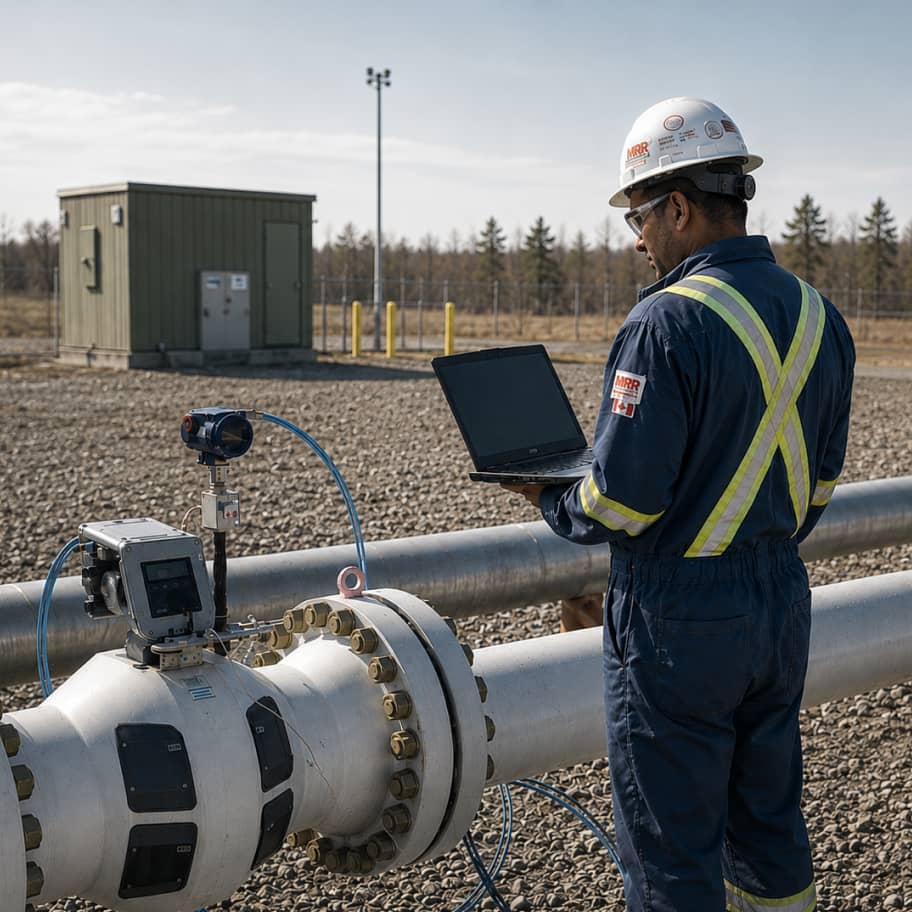
A pipeline operator in northern Ontario needed to run inline inspection tools through a major transmission asset. Inline inspection — the deployment of instrumented tools that travel through a pipeline collecting data on wall thickness, corrosion, geometric anomalies, and other integrity indicators — requires sustained gas flow at velocities high enough to propel the tools through the line. When the pipeline’s normal operating flow is insufficient to support inspection tool velocity, the flow has to come from somewhere else.
The conventional answer is to draw flow from the system and consume it through controlled flaring at the receive end. For a transmission asset of this scale, that meant building flare capacity sufficient to support 12 to 16 hours of operation per day across the inspection campaign, in a remote location, through northern Ontario weather conditions.
The operator needed a contractor who could deliver the flow generation capability, operate it for the full duration of the inspection campaign, and integrate the operation with the inspection contractor’s tool runs and the operator’s pipeline control room.
Approach
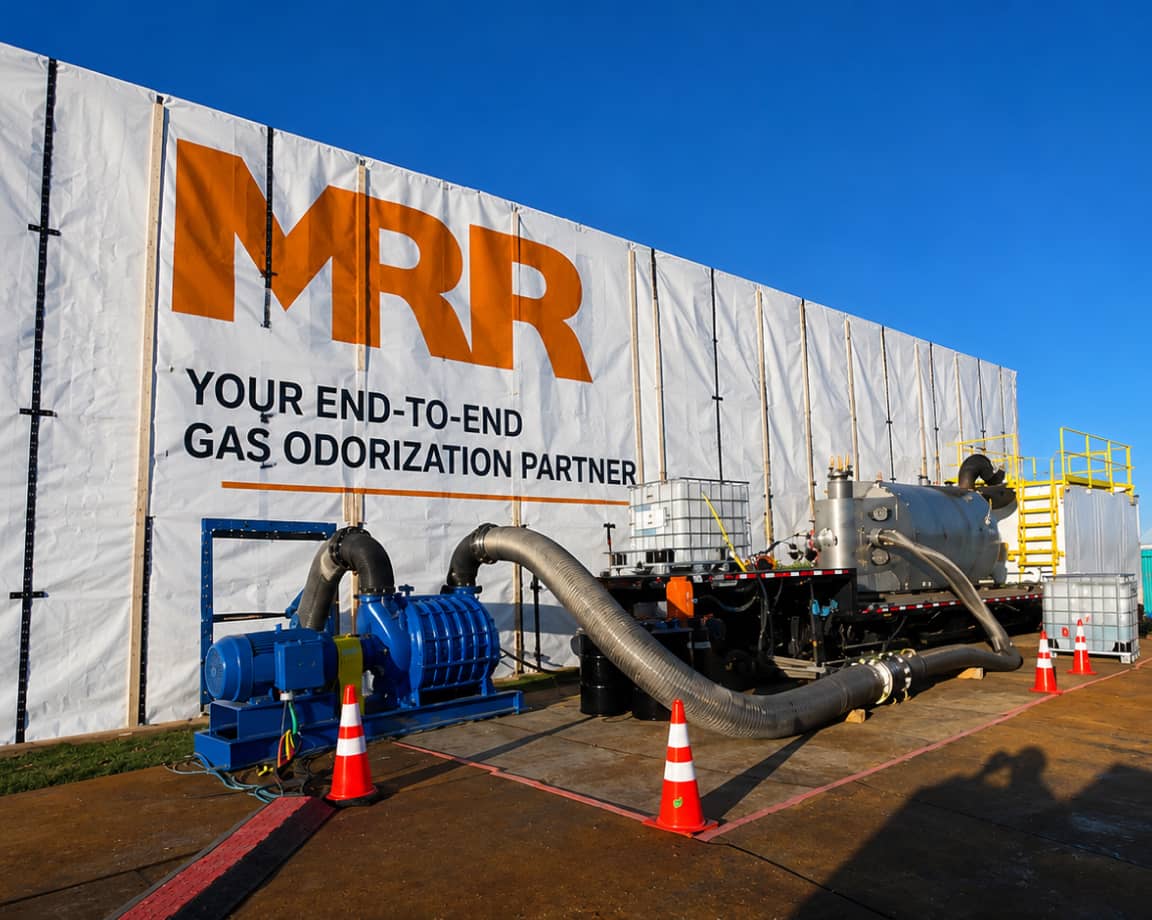
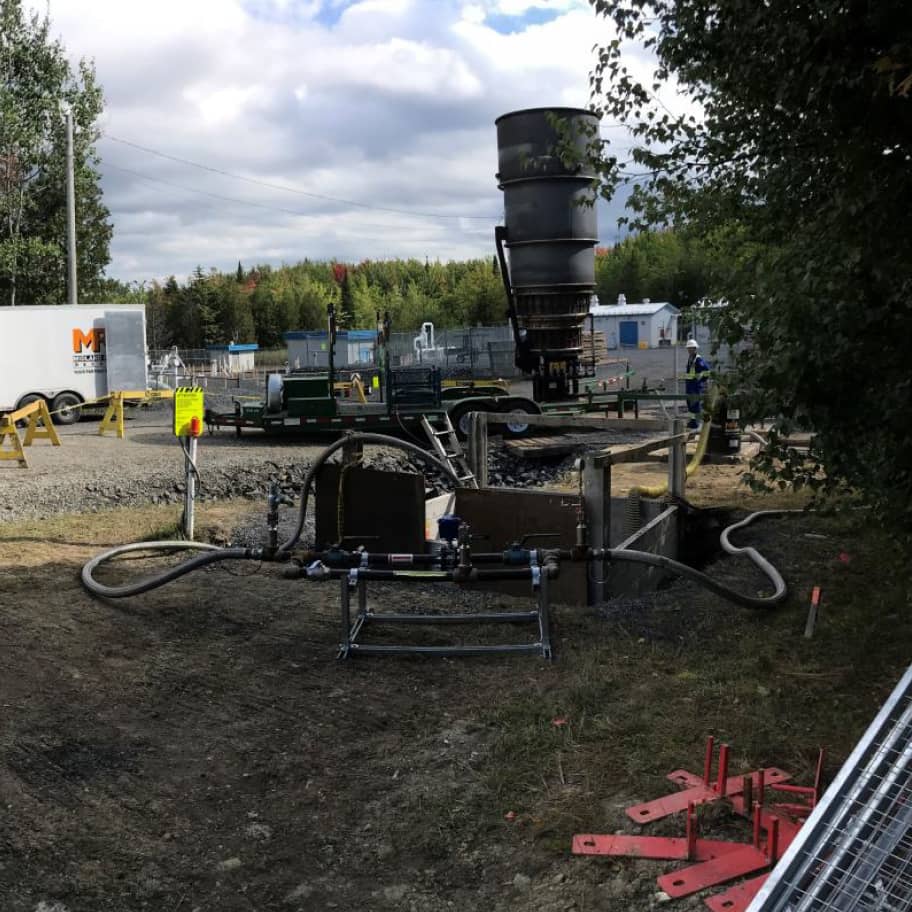
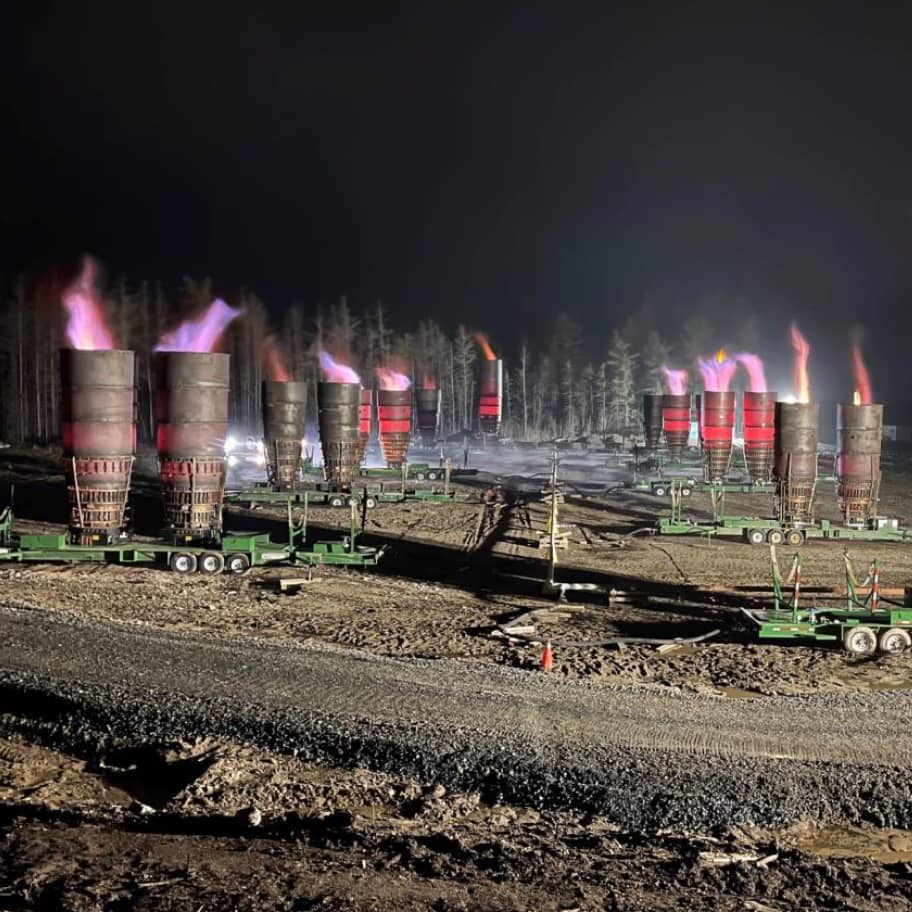
MRR mobilized nine portable flare units to the site. The units were positioned to provide both the total flow capacity required by the inspection plan and the redundancy needed to maintain operations through equipment maintenance cycles and any unexpected outages.
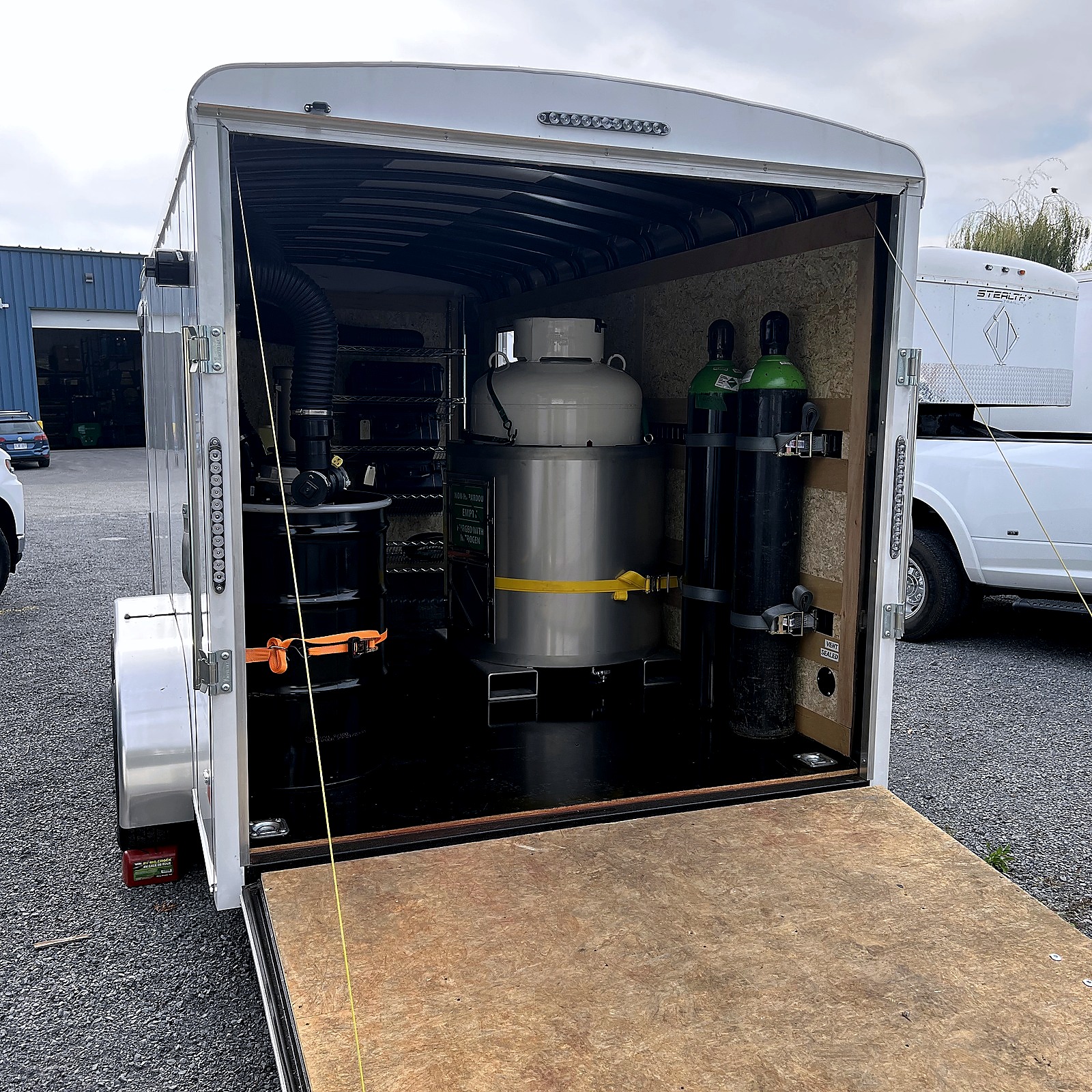
Each unit was installed on a trailer with the structural support, instrumentation, and ignition systems required for continuous operation. Solar power supported the instrumentation and controls during operating periods. The crew managed startup, operation, and shutdown sequences in coordination with the operator’s control room and the inspection contractor’s tool tracking, adjusting flow as required by the inspection plan and weather conditions.
Through the operating period, the units ran 12 to 16 hours per day depending on the specific inspection segment being run. The operation continued for approximately six weeks across the full inspection campaign.
The northern Ontario context added requirements that southern operations would not face. Cold weather operation, remote site logistics, limited daylight in shoulder-season operations, and access constraints all factored into the operational plan. MRR’s crews operated through those conditions with the equipment configured for the environment.
Outcome
The inline inspection campaign was completed on the planned schedule. The flow generation operation provided sustained, controlled flow throughout the campaign, supporting the inspection contractor’s tool runs and the pipeline data the operator required for the integrity assessment.
The combined inspection campaign produced the pipeline integrity data the operator needed for its regulatory and asset management programs. The flow generation portion of the project contributed the operational foundation that made the inspection possible.
Inline inspection support is one of several adjacent service lines MRR operates alongside its core odorization work. The equipment, the crews, and the operational discipline carry across. The Ontario campaign was a particularly visible example; smaller flow generation and incineration jobs run year-round.