An operator in Illinois needed a portable odorization capability beyond what was available from standard equipment offerings. The requirements covered a wide range of flow conditions, requiring dual odorizer capacity sized to handle both low-flow and high-flow scenarios on the same unit. The platform needed integrated odor control suitable for operation in occupied or sensitive areas. The trailer needed to support unattended operation between service visits, with wireless flow telemetry and local intrinsically safe lighting for personnel working inside during cold-weather operations. And the full package needed to ship as a tested, documented, ready-to-deploy unit — not a kit of components for the operator to integrate.
This was an engineering and manufacturing scope, not an installation scope. The operator needed a design-build partner who could deliver the trailer as a finished product.
Approach
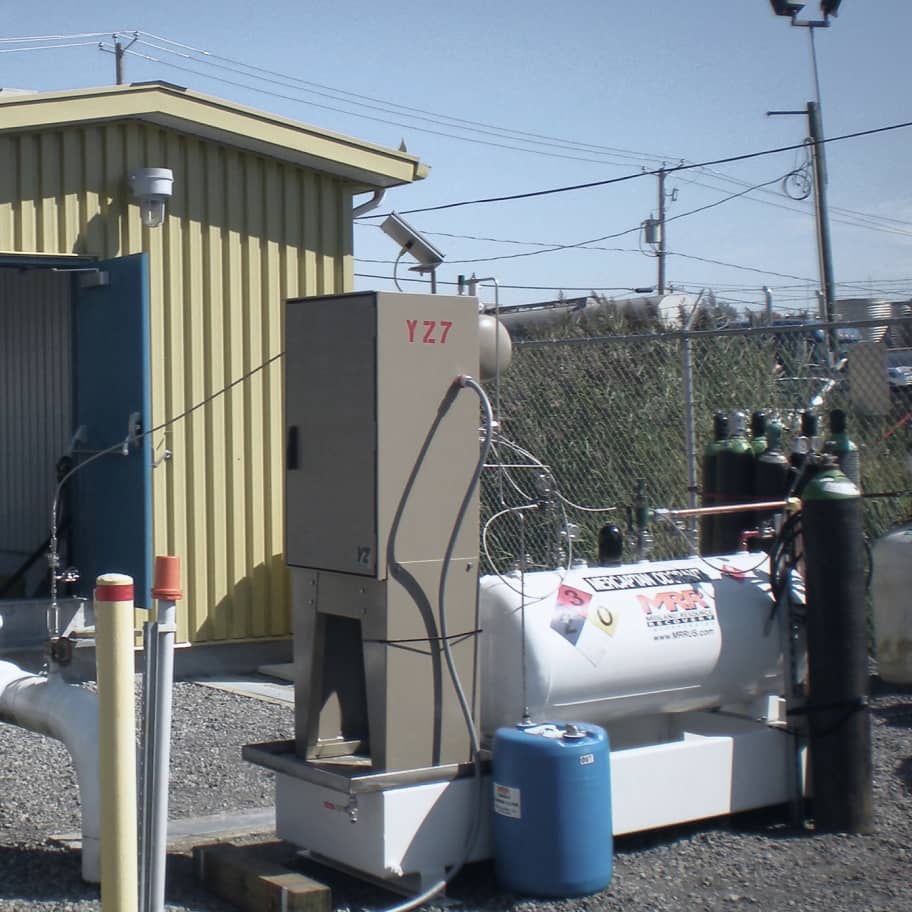
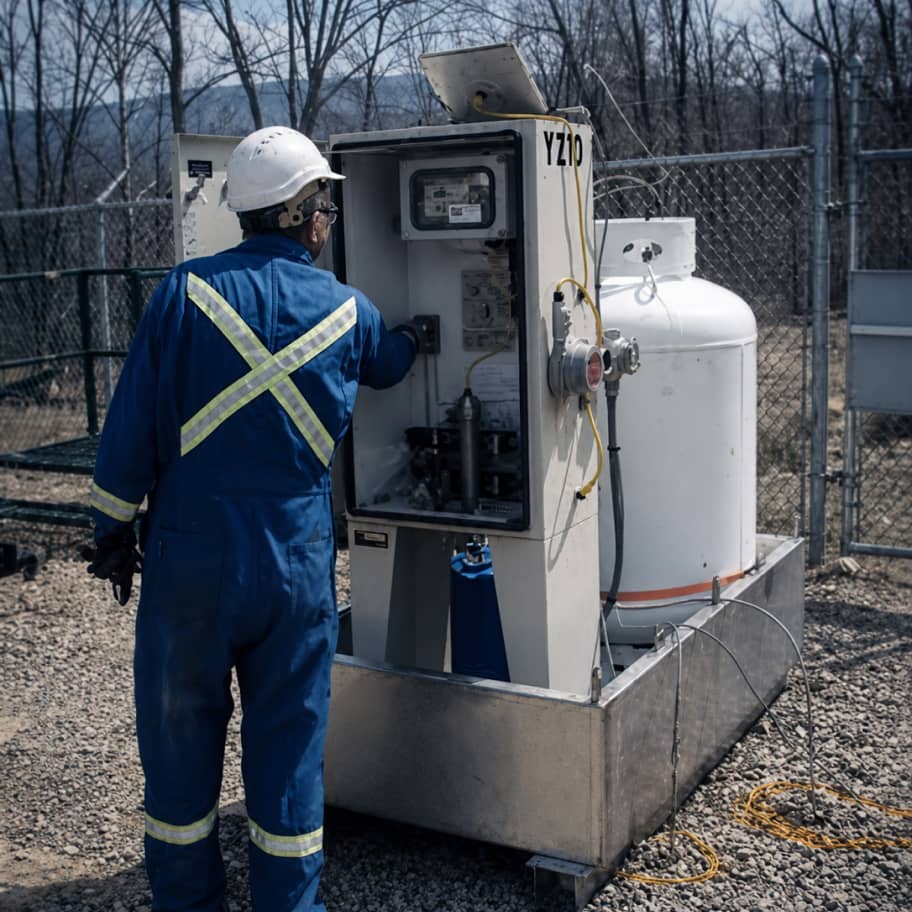
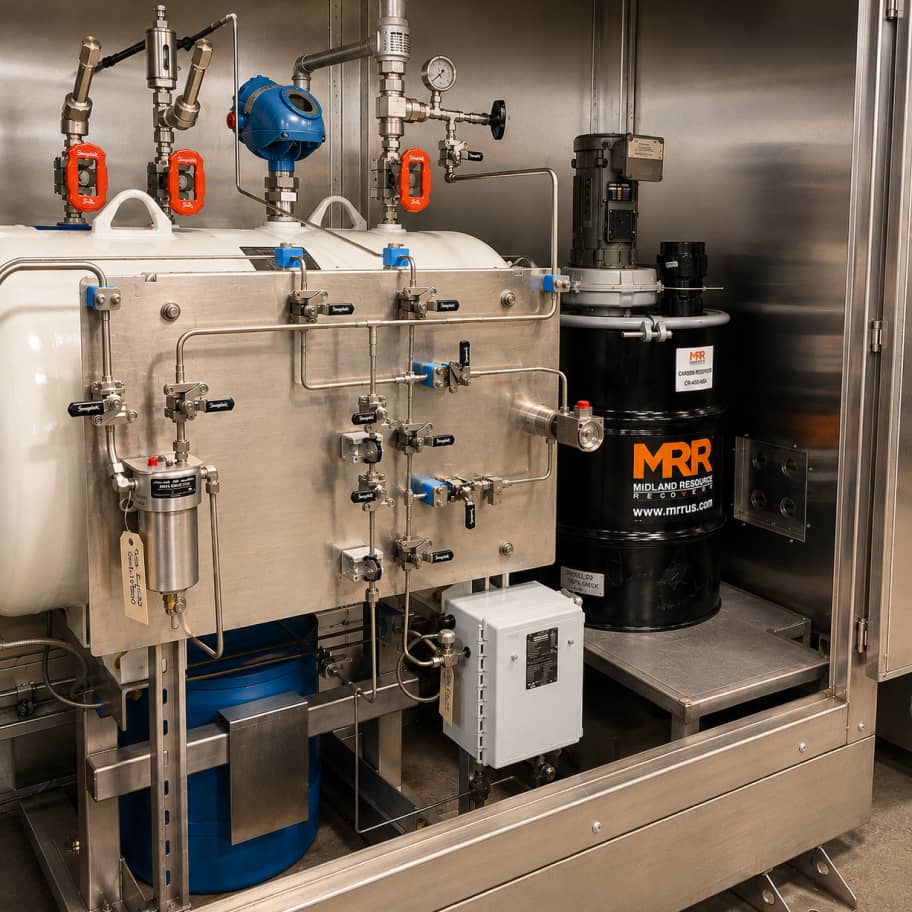
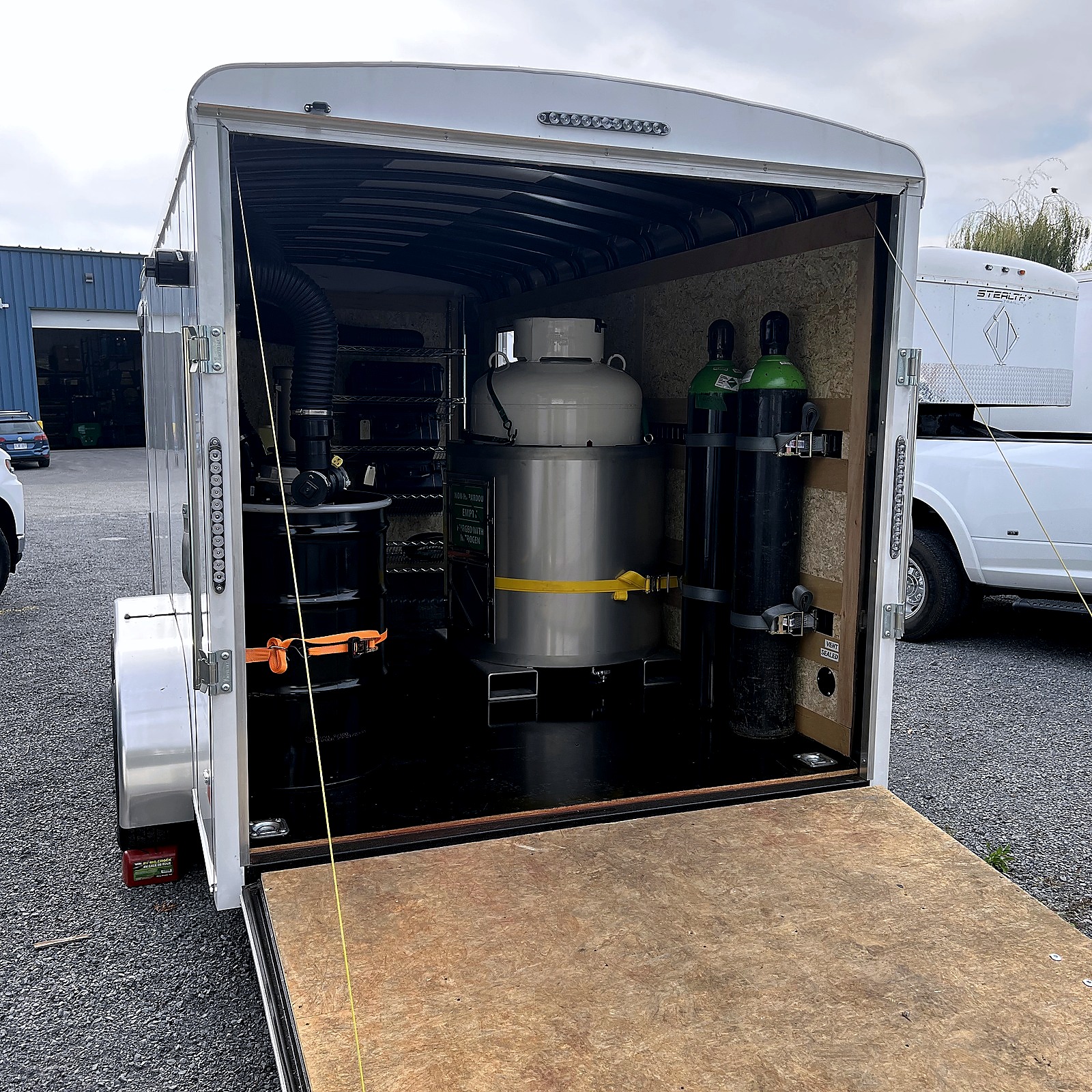
MRR designed and built the trailer as an integrated unit at the company’s manufacturing facility. The base platform was a custom-fabricated trailer with reinforced flooring sized for the equipment load. Inside the trailer, MRR installed a dual NJEX odorizer cabinet pairing a 6300-series unit with a 7300-series unit. The dual configuration allowed the operator to match injection capacity to the gas flow conditions encountered on each deployment without swapping equipment between sites.
Odor control was handled through an MRR-designed activated carbon filter sized to manage the odorant vapor profile of the installed odorizers. The filter system was designed to keep odorant emissions from the trailer below detectable levels during normal operation, supporting deployment in occupied or sensitive areas with minimal community impact.
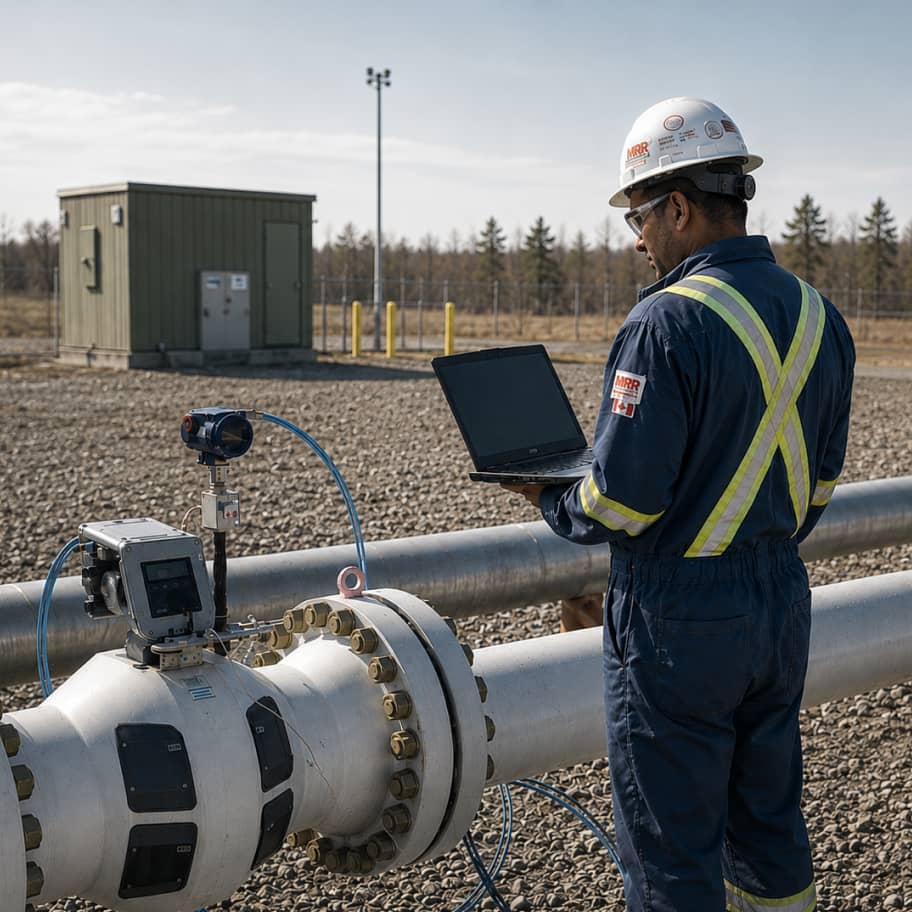
Flow measurement was handled by an ultrasonic clamp-on flowmeter that could be installed at any deployment site without breaching the customer's pipe. The flow signal was transmitted wirelessly to the odorizer controls, eliminating the need for hard-wired flow integration at each deployment site. Class I, Division 1 (C1D1) catalytic heating was installed to support crew operations inside the trailer during winter deployments. C1D1-rated lighting completed the trailer's interior systems.
A complete odorant spill kit was integrated into the trailer, ensuring response capability traveled with the unit rather than depending on customer site equipment. Operating manuals and crew training accompanied delivery.
The longest-lead item in the project was the custom trailer base itself, at 16 weeks. MRR’s integration of the systems into the trailer required an additional 1.5 weeks. The full project, from order to customer delivery, ran approximately 20 weeks.
Outcome
The Illinois operator received a fully tested, fully documented, ready-to-deploy portable odorization trailer with the dual odorizer capacity and integrated odor control that the deployment requirements demanded. The trailer entered service supporting the operator’s portable odorization needs across multiple deployment scenarios.
The 20-week delivery cycle reflects realistic timing for a custom engineered build of this scope. Compressing the timeline late in the project would have required cutting either design refinement or testing time, neither of which produces the right outcome on a unit that will operate in customer environments for years.
The Illinois trailer is in service. The next trailer in the build queue has different specs, a different odorizer pairing, and a different deployment profile. That is the nature of custom equipment work — every unit answers a different question.