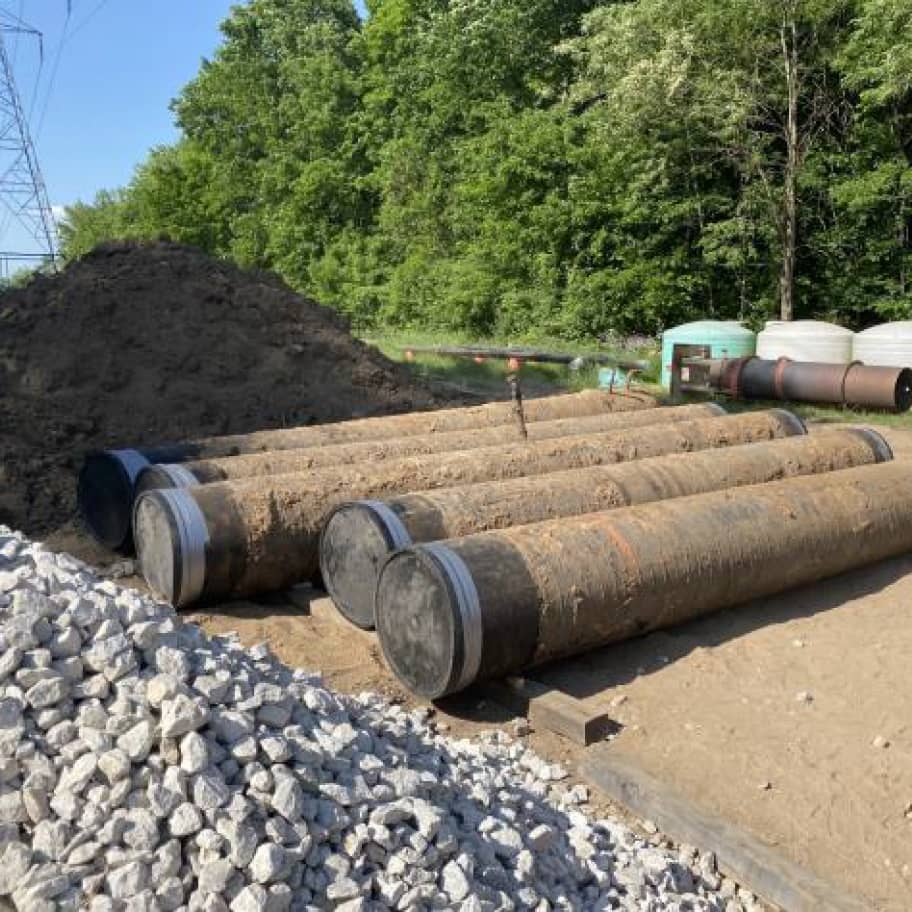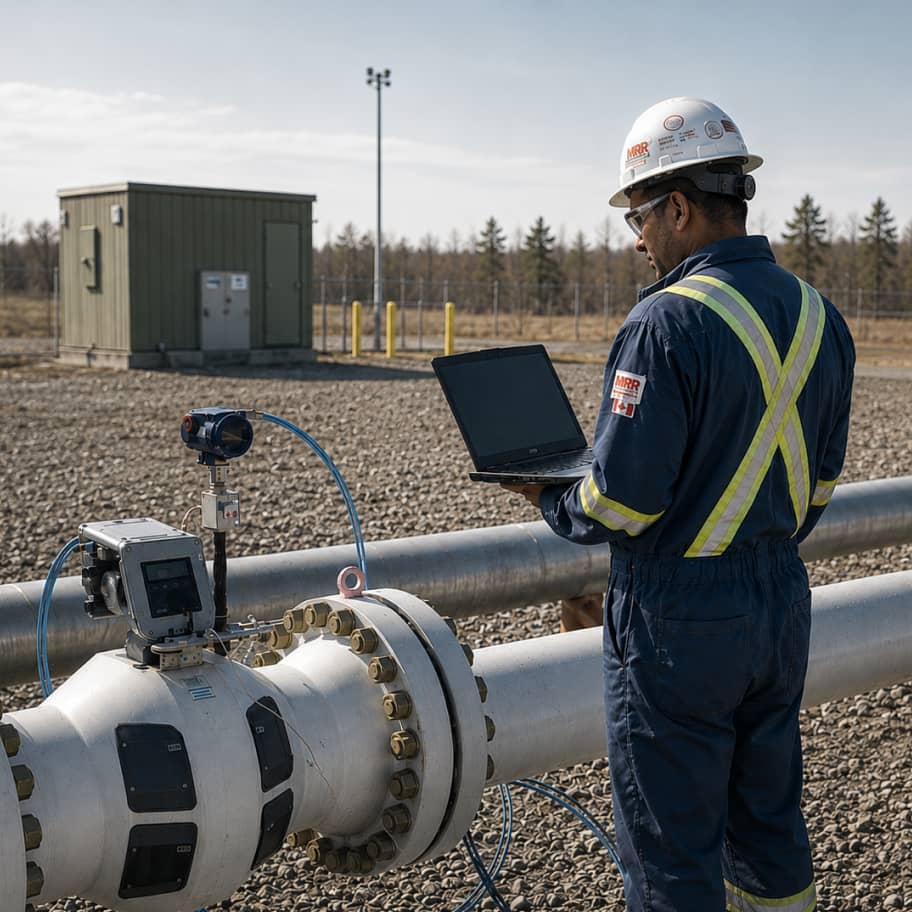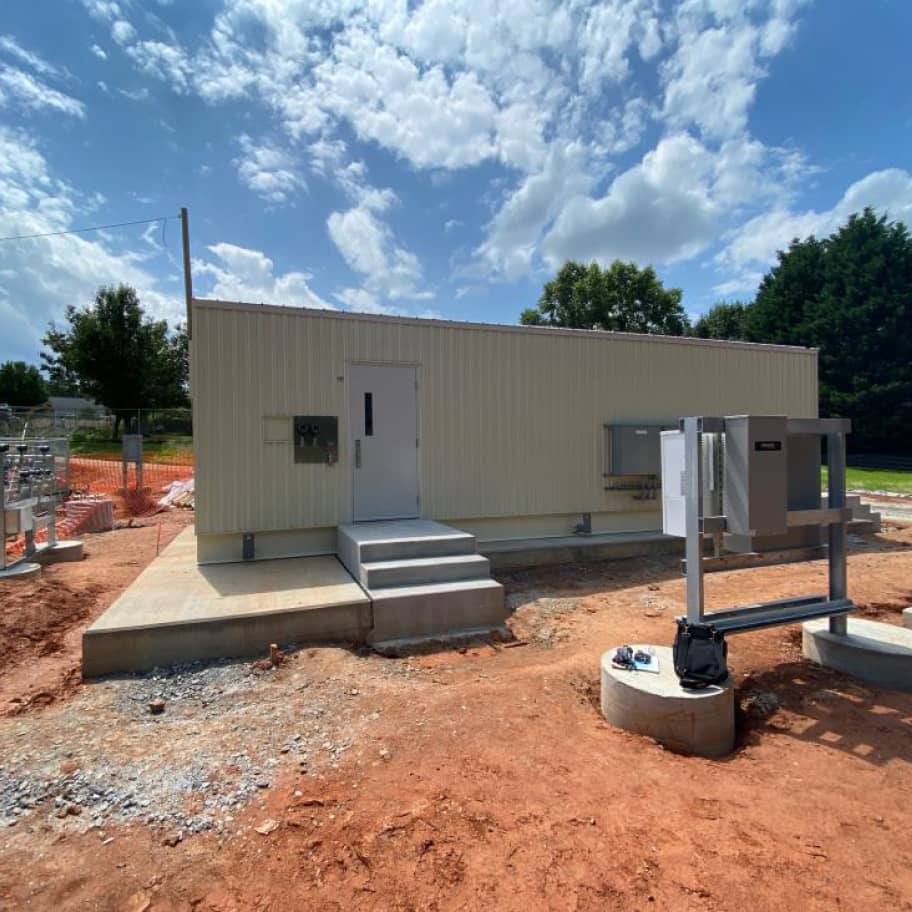
A natural gas utility in Georgia needed a new odorization installation at a gate station — capacity to support the station’s flow requirements, full secondary containment, environmental controls suitable for the regional climate, and a footprint that fit within the operator’s site constraints. Building the equipment in place at the gate station would have required an extended on-site construction window with all the associated permitting, traffic control, and operational disruption that accompanies multi-week field work at an operating station. The operator needed a different model. Off-site fabrication, on-site placement.
Approach
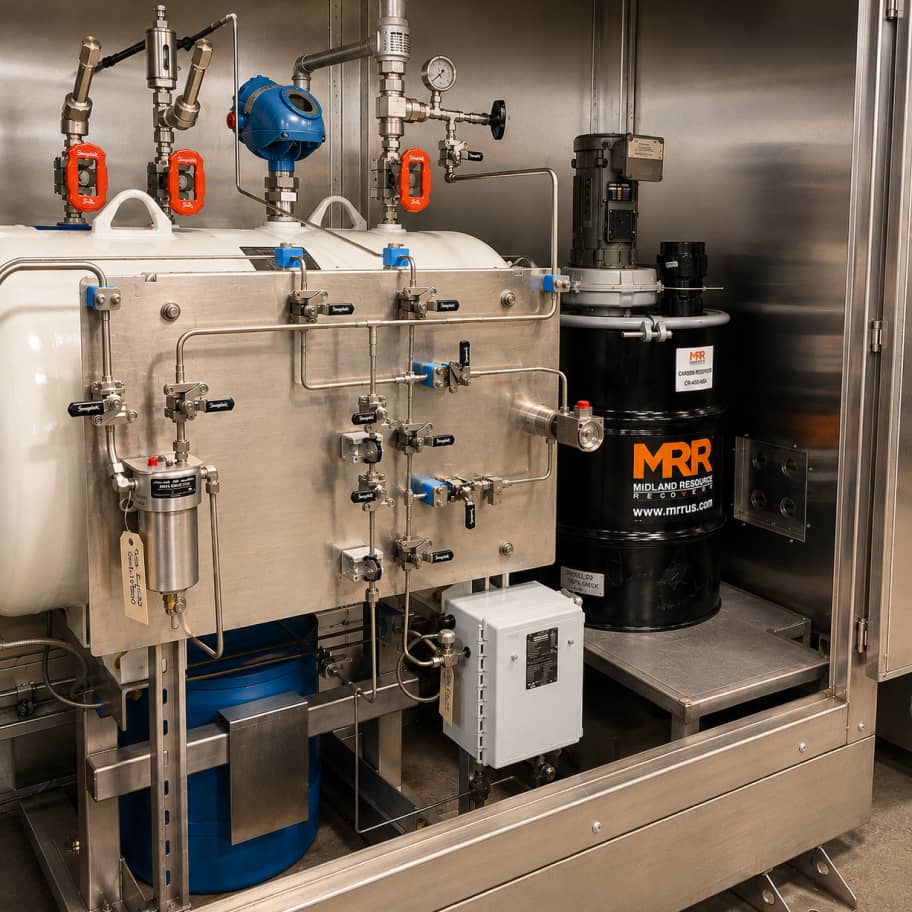
MRR delivered the project as a modular building solution — a complete 1,000-gallon odorization facility constructed at the MRR plant and shipped to the Georgia site as a single integrated unit.
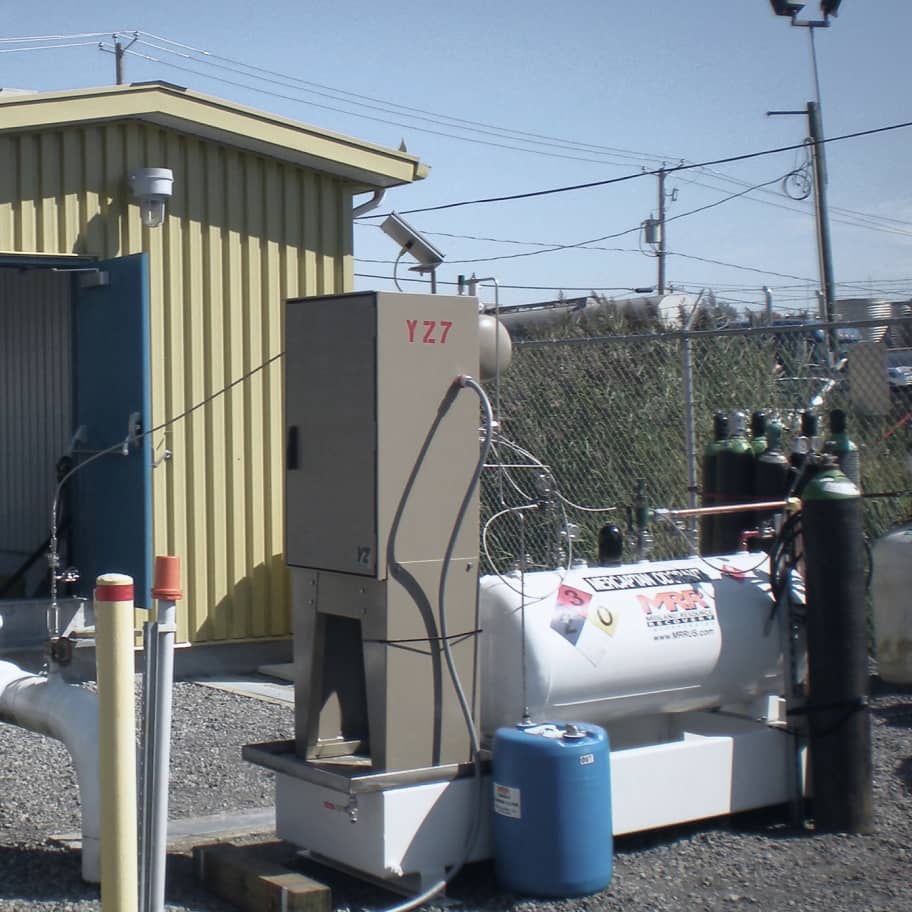
The construction phase took place under controlled conditions at the MRR plant. The building was fabricated to the engineered specification, the odorant storage tank was installed within its secondary containment, the odorizer equipment was mounted and connected, the environmental controls and lighting were installed, and the unit was tested as a complete system before shipment. This compressed the on-site exposure of the project from the multi-week duration of stick-built construction down to the placement and tie-in duration.
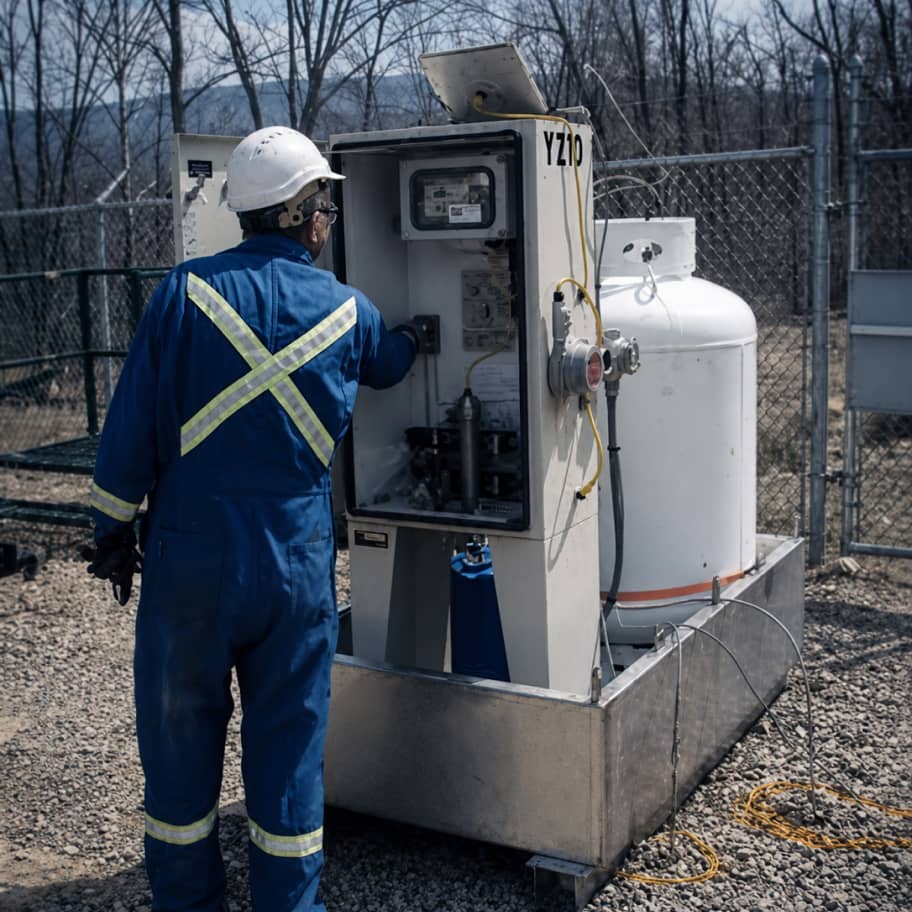
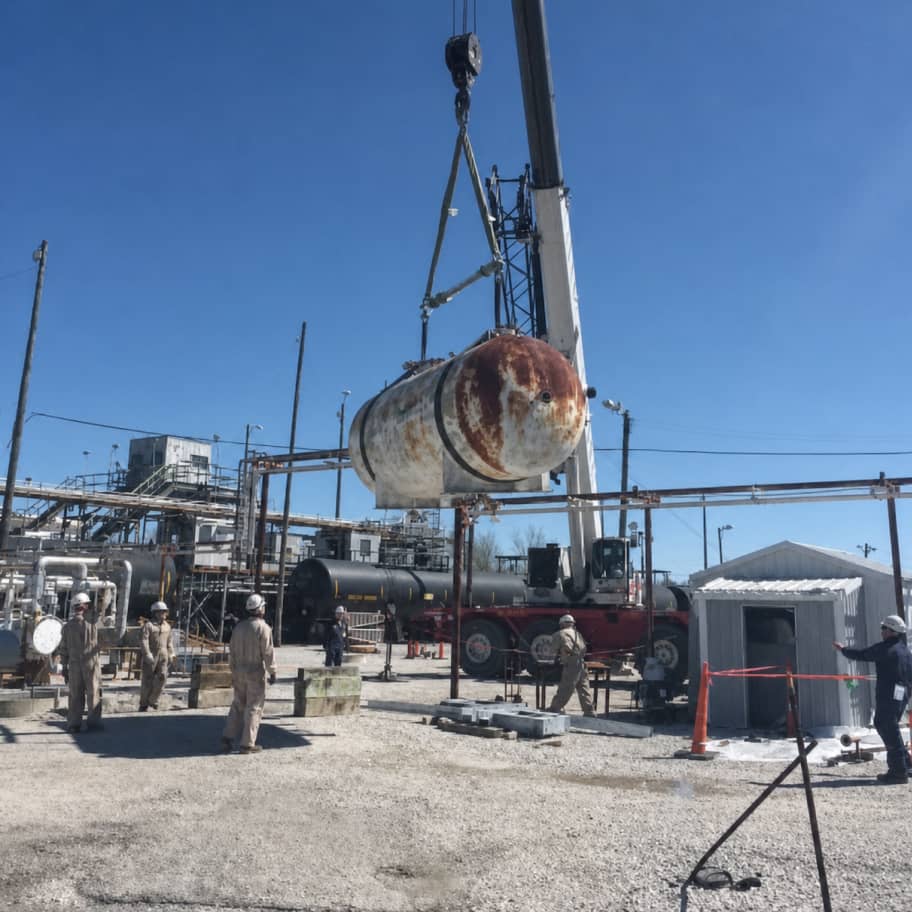
Transport from the plant to the Georgia site was handled under the load classification appropriate to the unit. On-site placement required crane work to set the building on its prepared foundation. Once in place, MRR field crews completed the connections to the operator’s gas piping and electrical systems, performed the leak testing and pressure testing, took the initial odorant delivery, and commissioned the unit.
The full project — design, fabrication, transport, placement, commissioning, and operator training — ran approximately six months from order to operational handover.
Outcome
The Georgia gate station received a fully integrated, factory-tested odorization facility with minimal site disruption during placement. The operator’s documentation package included the manufacturing records from MRR’s shop, the engineered drawings, the commissioning report, and the operating manuals.
The modular approach reduced the operator's on-site project management overhead and helped reduce schedule and weather-related risks while supporting controlled fabrication quality.
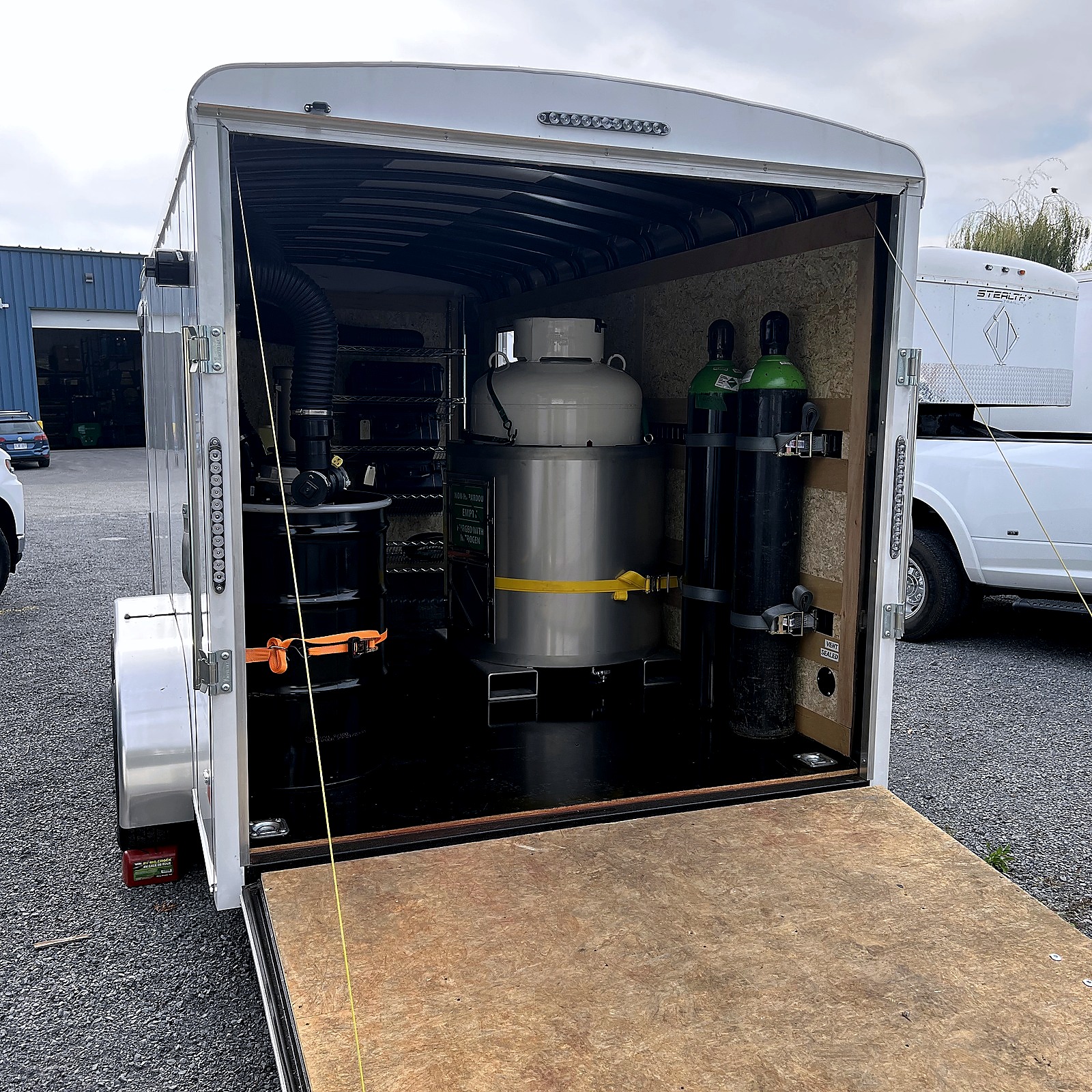
MRR manufactures modular buildings, tanks, skids, and trailers at the company’s facilities in Summerstown, Ontario, and at the plant in Philippi, West Virginia. The Georgia building was one of several modular units shipped from the shop in the same period — each engineered to a specific customer site, each delivered as a finished unit ready for placement.