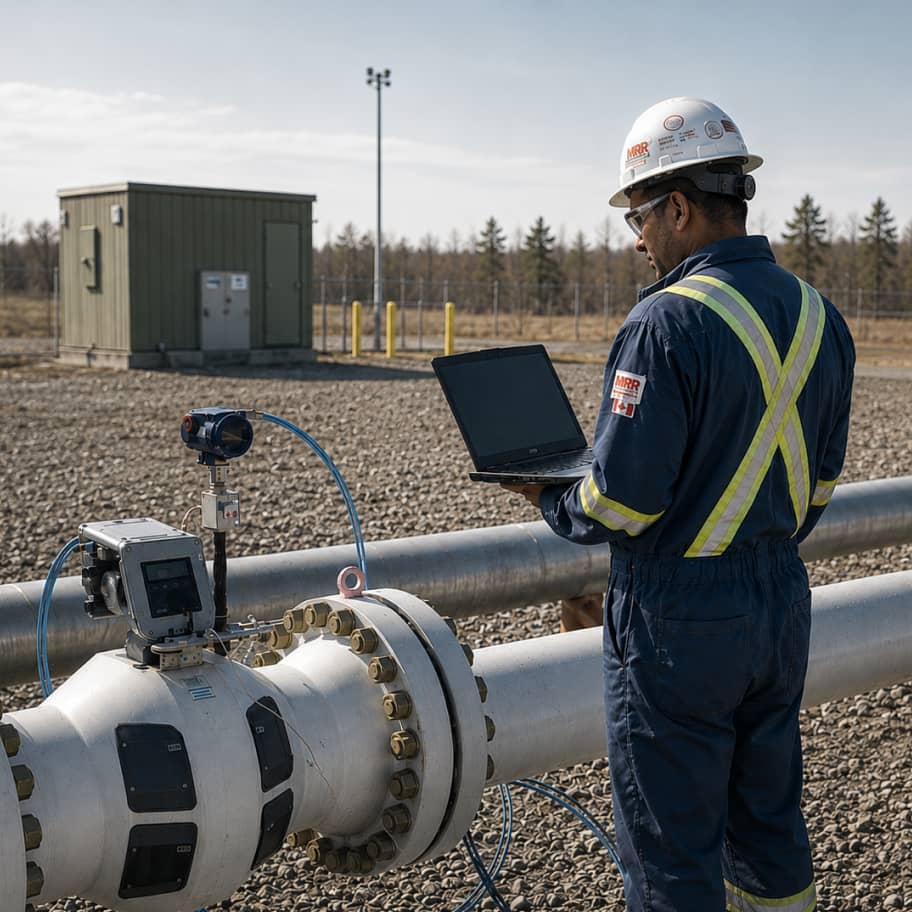
A renewable natural gas producer in Ontario was preparing to bring a new injection point online and required an odorization system engineered specifically for the project’s site conditions, gas composition, and operational requirements. Off-the-shelf equipment was not the right answer. The producer needed a custom-designed odorizer that would meet provincial regulatory requirements, integrate cleanly with the upstream gas upgrading equipment and downstream pipeline tie-in, operate reliably through Ontario winters, and support the long-term service intervals appropriate to an RNG injection facility.
The project demanded engineering capability beyond installation: design from the producer’s specification, fabrication to the design, and a commissioning process that would hand the operator a working, documented, code-compliant system.
Approach
MRR delivered the project as a full design-build-commission scope over five months.
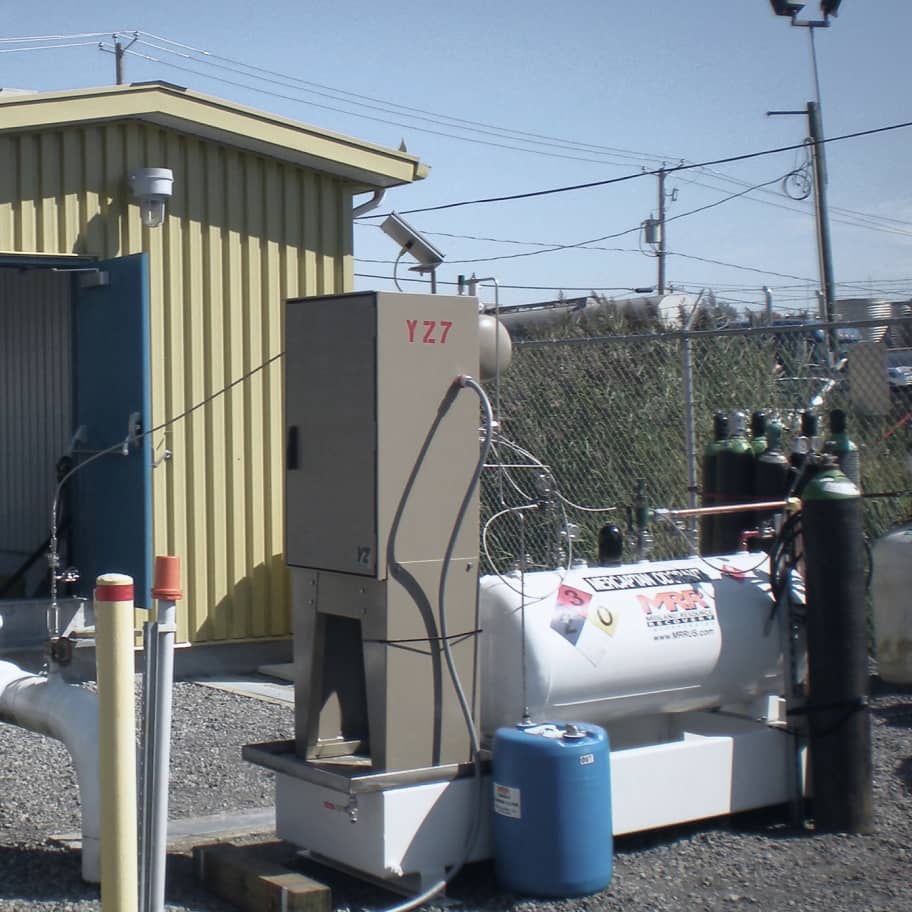
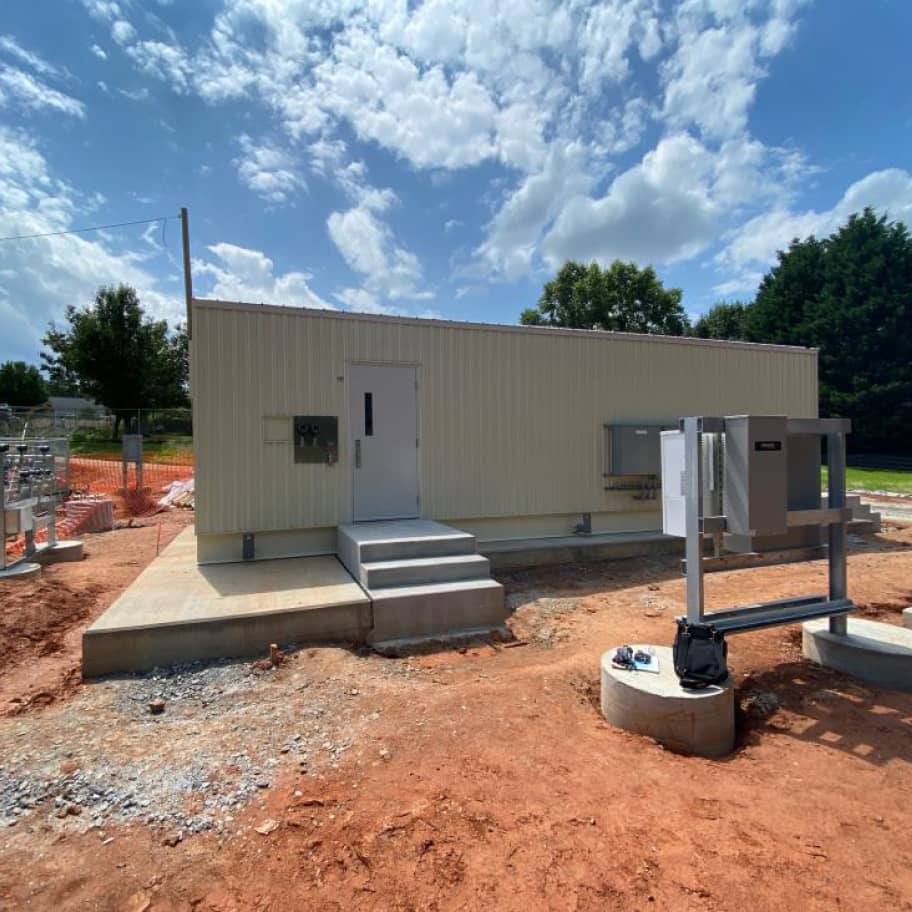
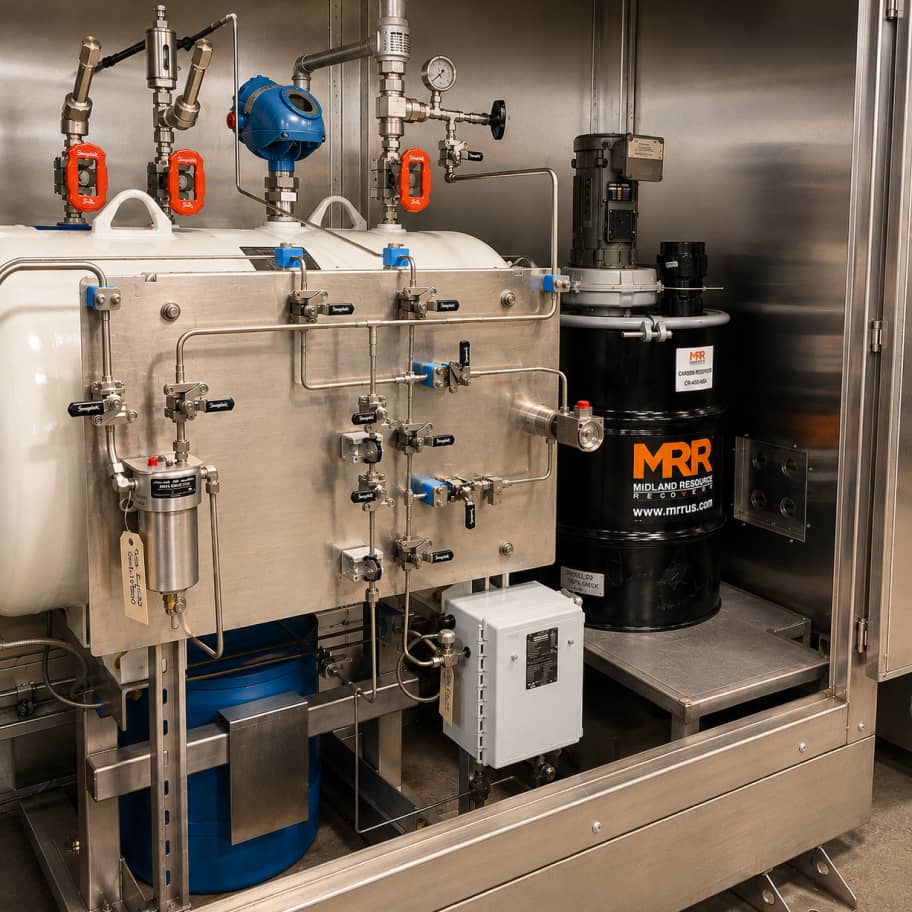
The design phase produced a custom odorizer engineered around the specific gas flow profile and odorant blend selected for the injection point. The design covered the odorant storage tank specification, the injection equipment, the monitoring and control system, the secondary containment and enclosure structure, and the integration points with the producer's upstream and downstream equipment. The unit was engineered to meet TSSA requirements. Engineered drawings were issued as part of the design deliverable, ensuring the producer's project team and the regulator had clear documentation of the system being installed.
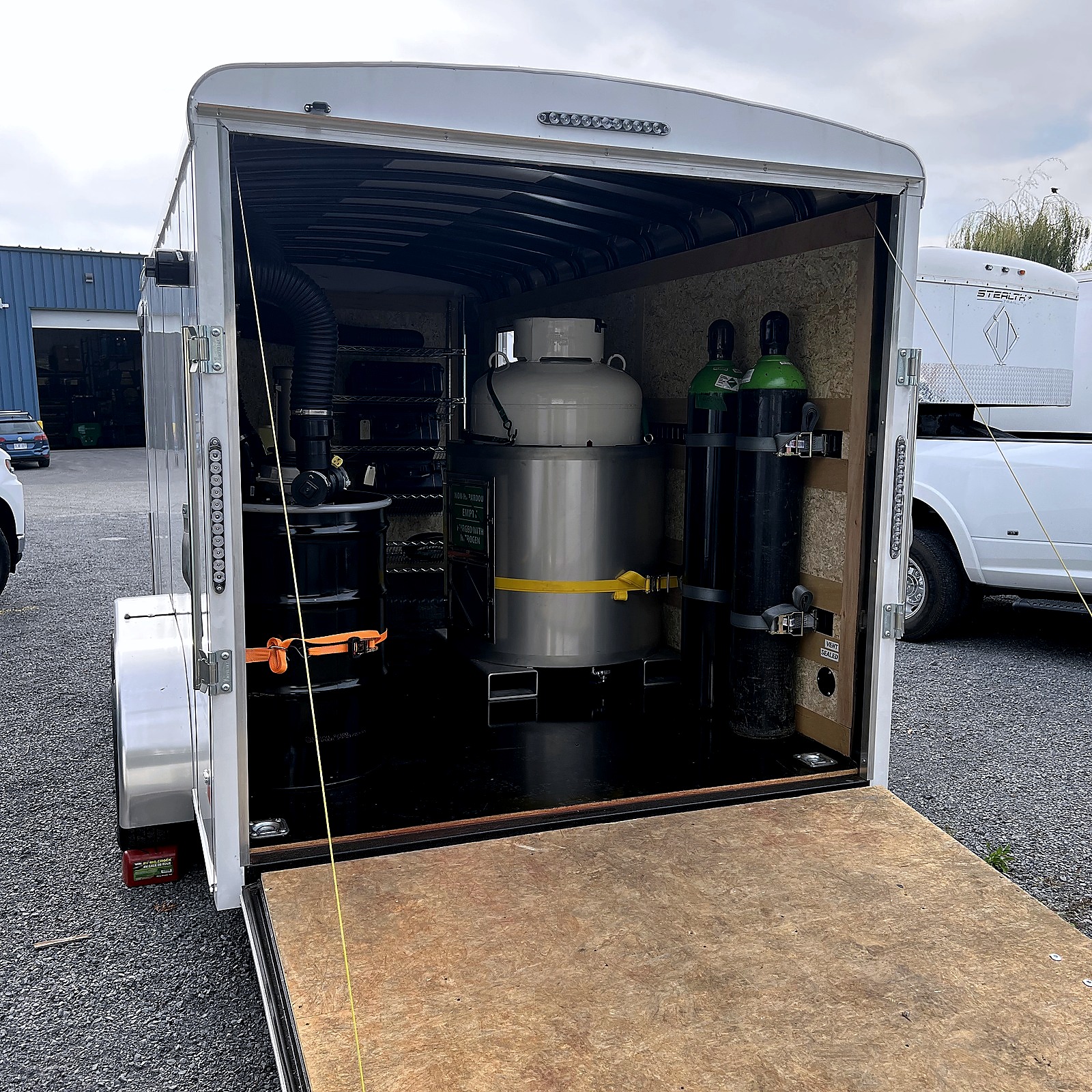
Construction took place at MRR’s manufacturing facility. Building the equipment off-site rather than on-site reduced field labor, allowed quality control to happen under controlled conditions, and shortened the on-site installation window to a fraction of what an entirely field-built system would have required. All tubing was orbitally welded for cleanliness and long-term reliability. The complete unit was tested at the MRR facility before shipment.
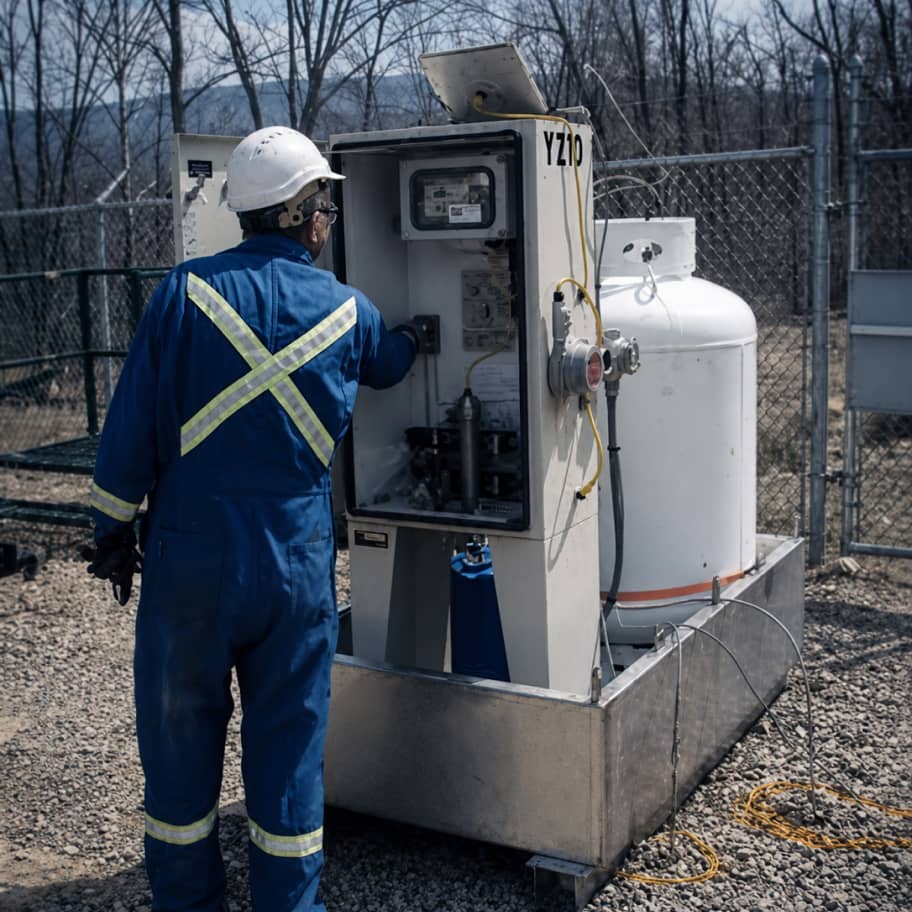
On-site installation, commissioning, and the initial odorant delivery were performed by MRR field crews. The producer’s operating team received hands-on training during commissioning, covering routine operation, scheduled maintenance, and the response protocols for the equipment’s monitoring alarms.
Outcome
The RNG odorizer was commissioned on schedule and entered service supporting the producer's injection operations. At commissioning, the system's detectability performance met the requirements of CSA Z662 and the provincial pipeline safety regulations applicable to the site. The engineered drawings, the manufacturing records, the commissioning report, and the operating manuals together formed the project closure package — the documentation foundation the producer relies on for regulatory compliance, future maintenance planning, and any future modifications to the system.
The project demonstrates the supply-side support that the RNG sector increasingly requires. Each new injection point becomes a new odorization point. Producers building RNG infrastructure need partners who can engineer to the specific characteristics of each site rather than retrofit a generic equipment package.
The supply-side work — engineering, building, commissioning, supporting — has grown with it. The Ontario unit is one of a growing fleet of MRR-engineered RNG odorizers across the continent.