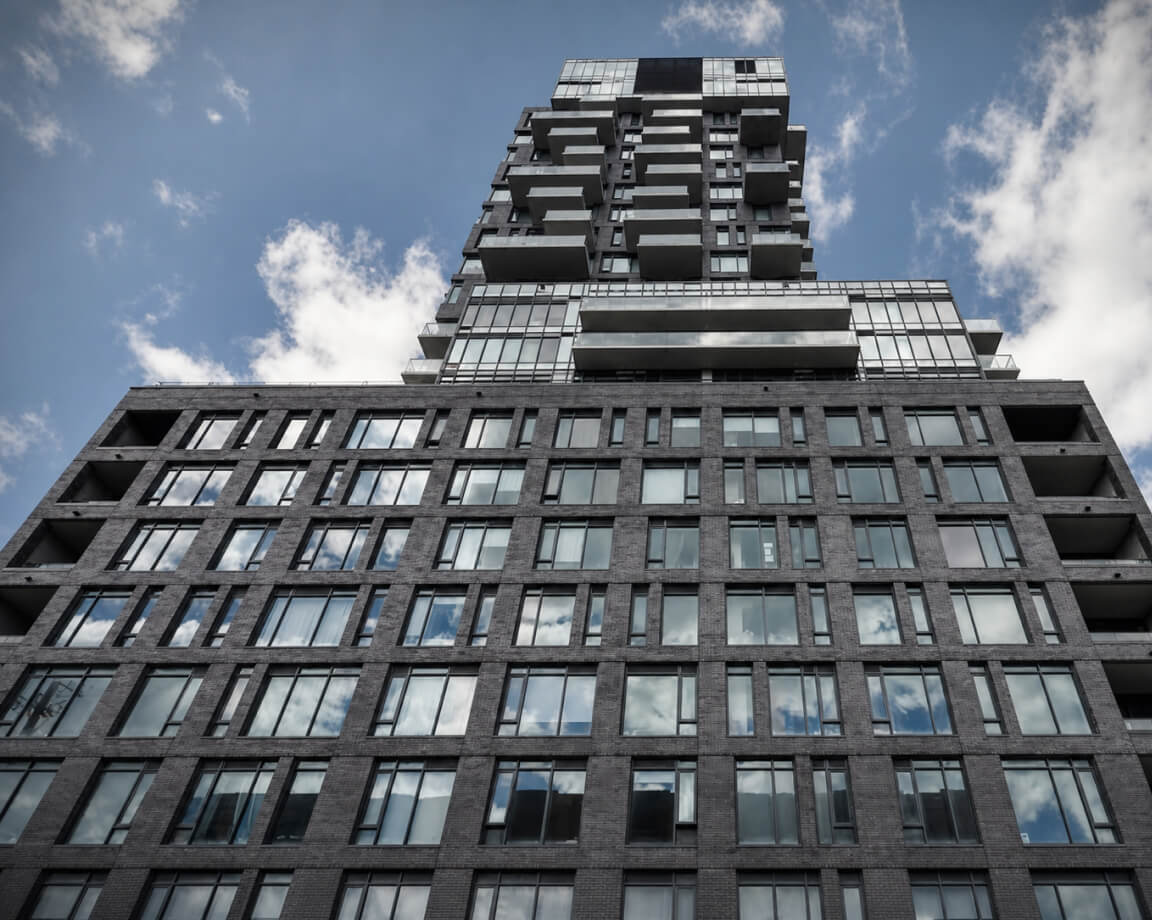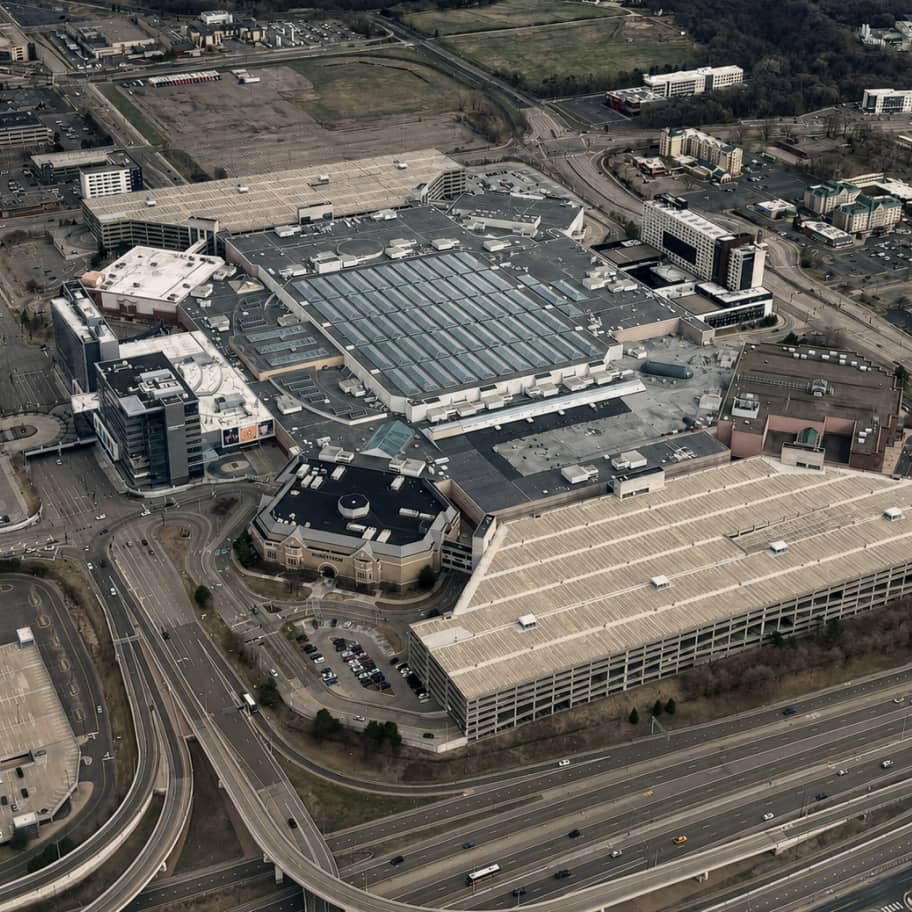
A major retail development in New Jersey was under construction with multiple new gas lines being installed to serve the property’s tenant spaces, food service operations, and building mechanical systems. Before any of those lines could carry odorized gas to occupied space, they had to be conditioned. The reactive surfaces of new steel pipe would strip odorant from the gas during early service, producing the same odor fade conditions that drive false leak calls and inspector findings in any new pipeline.
The site environment added complications a transmission pickling operation does not face. Construction was active. Other trades were working in adjacent spaces. The pipe runs were inside an enclosed building with limited ventilation. Any over-odorization release during conditioning would produce immediate complaints from contractors and construction management. And the gas being conditioned needed somewhere to go — venting odorized gas at customer-detectable concentrations into an active construction site was not an option.
Approach
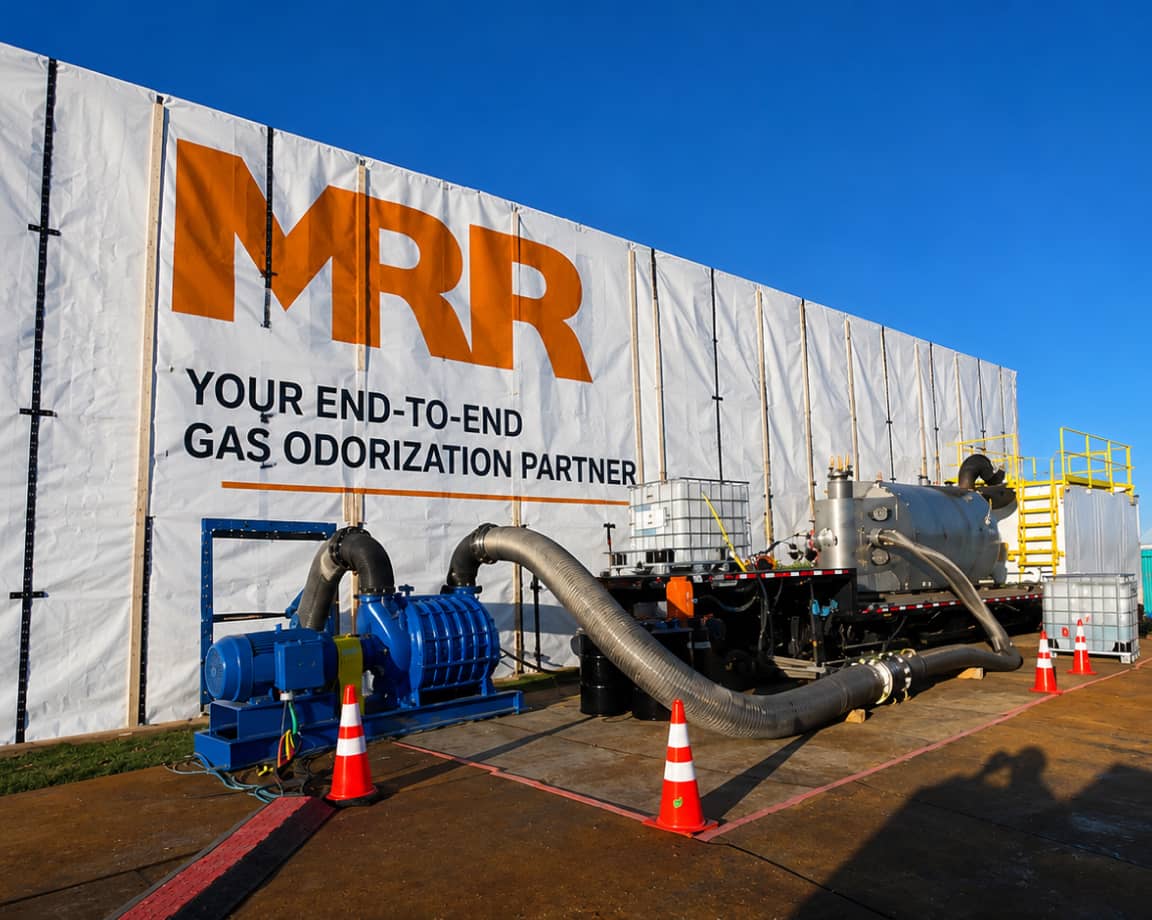
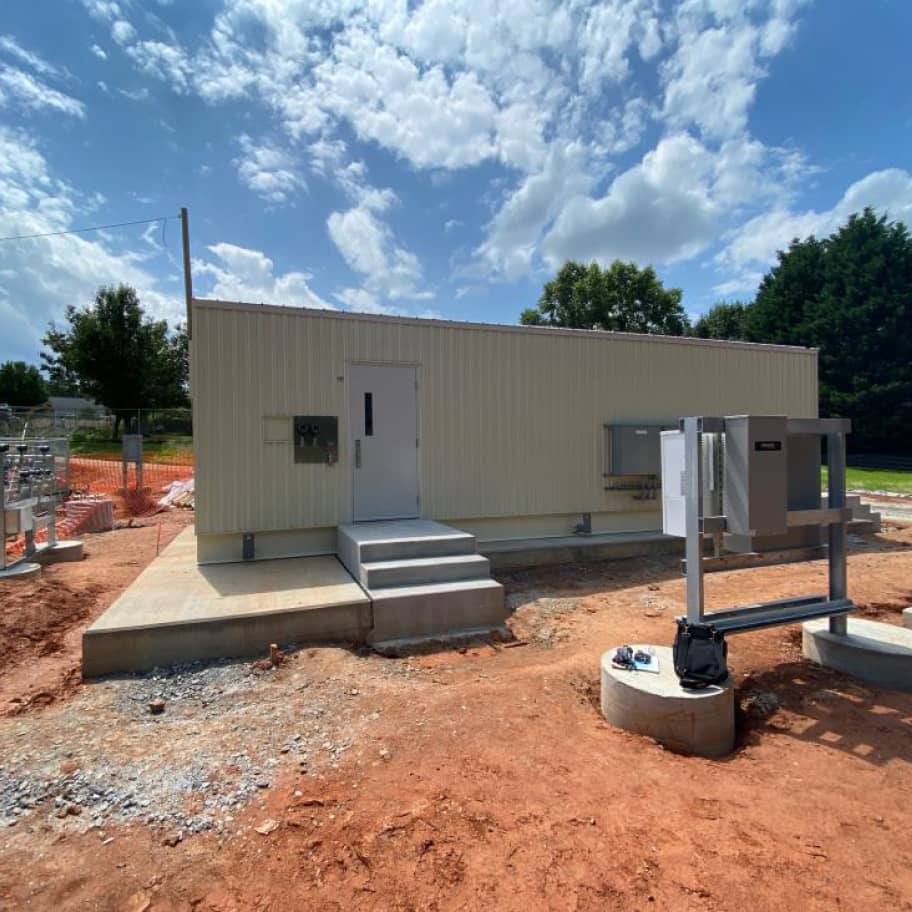
MRR designed an off-line pickling operation built around containment, controlled venting, and continuous monitoring. The conditioning happened on the new lines while they were isolated from the broader system, with all gas movement and odorant management handled by MRR equipment.
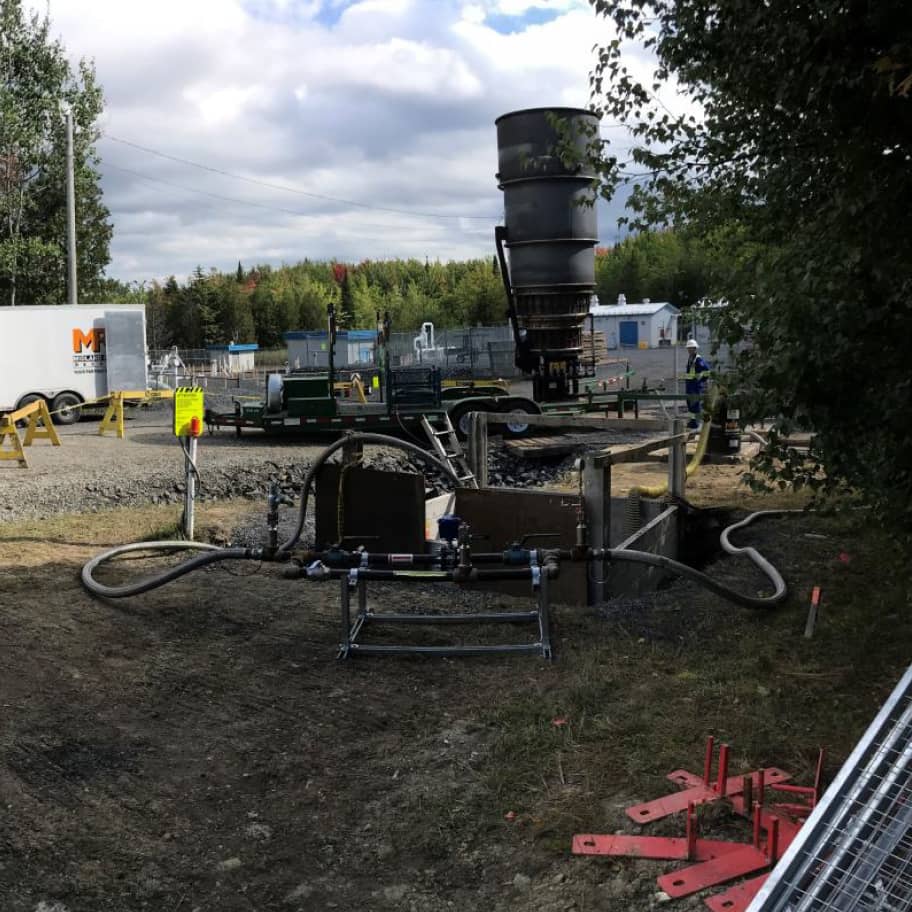
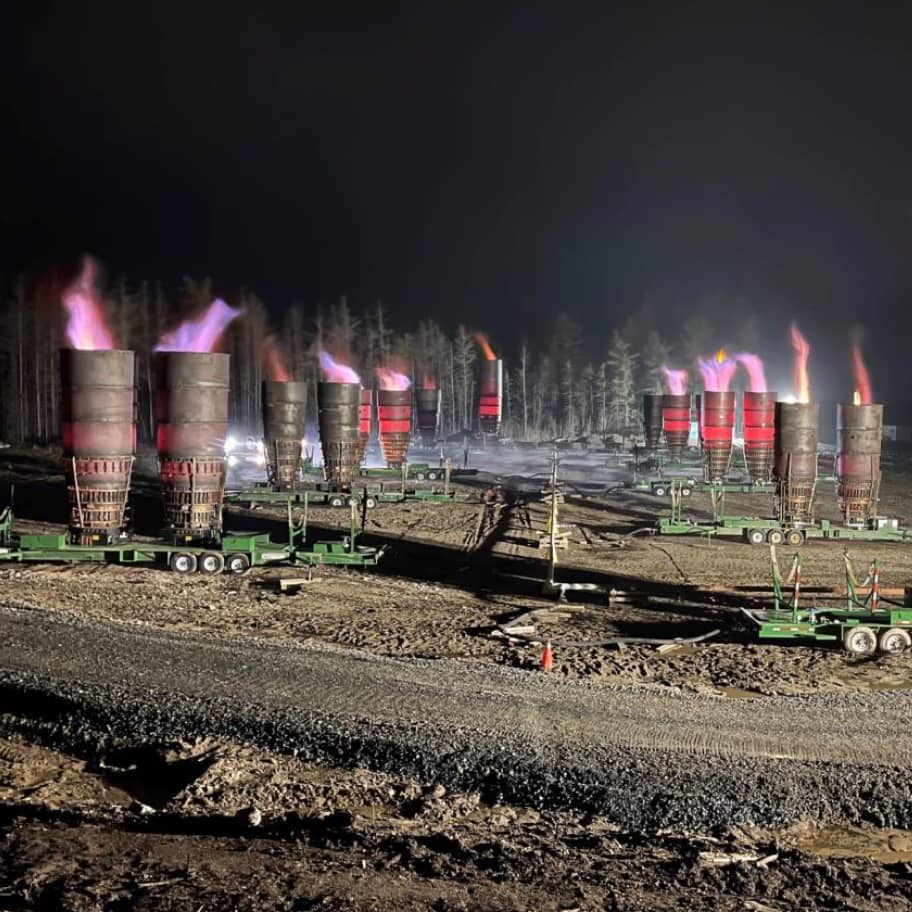
A portable flare was installed on the roof of the structure to generate the flow required to move conditioned gas through the new lines. Routing the flow path through a roof-mounted flare allowed the operation to consume the gas safely rather than venting it into the building or the surrounding site.
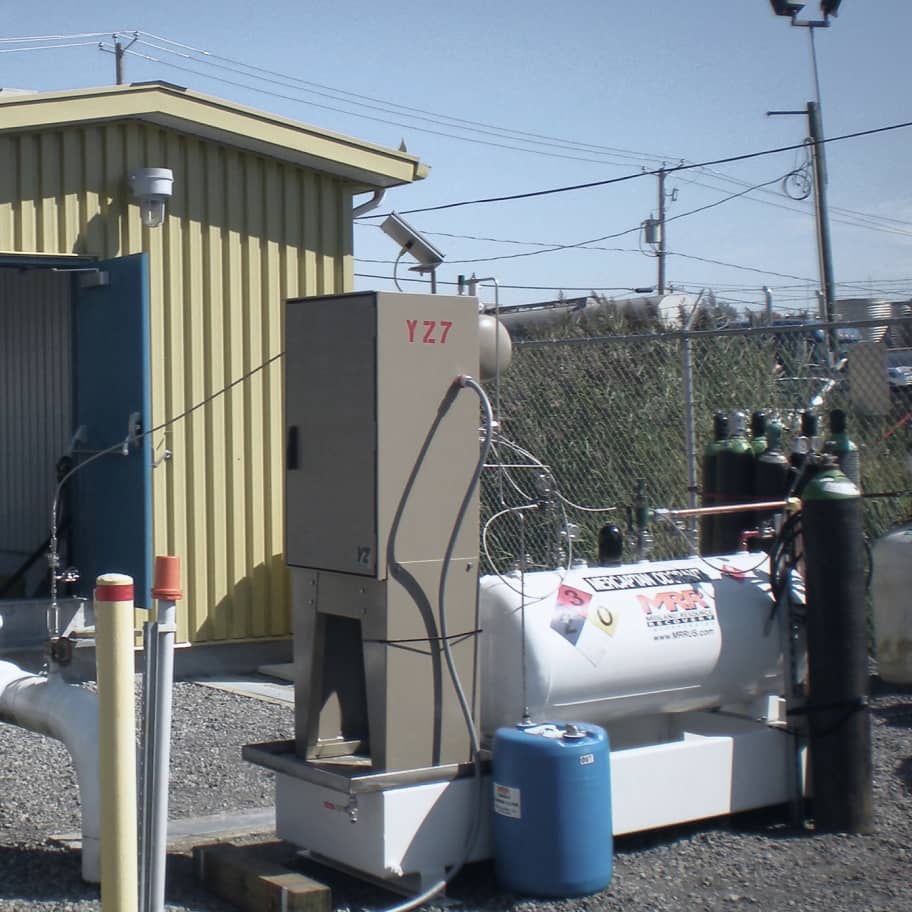
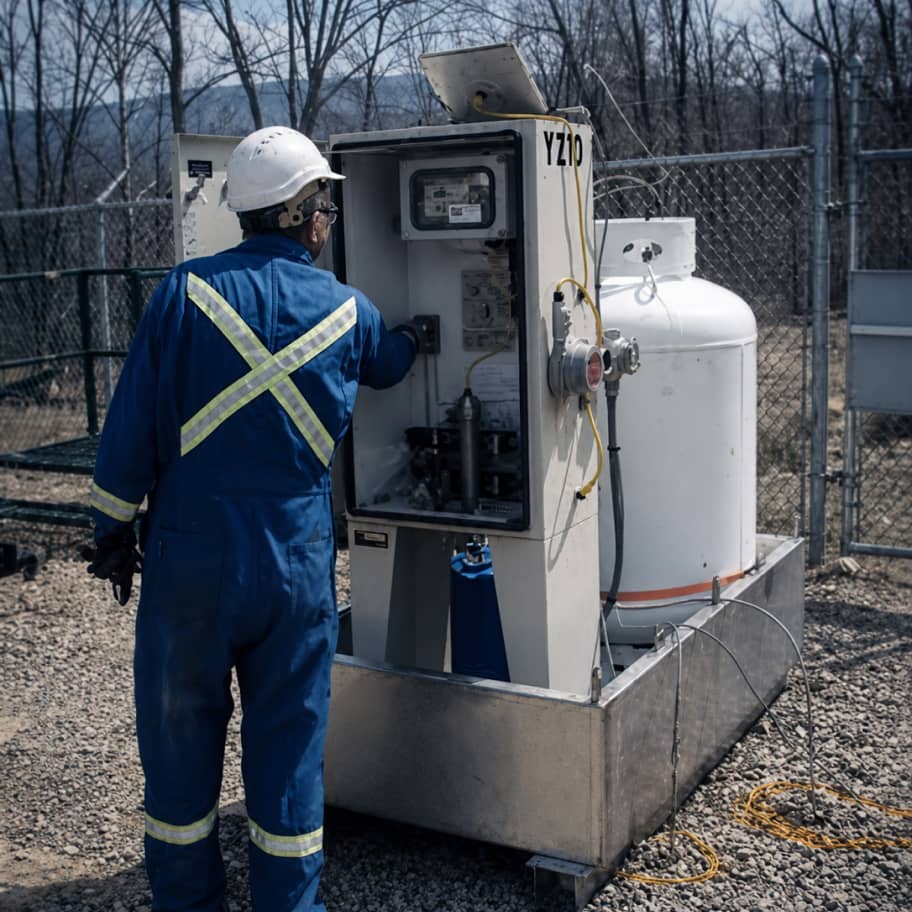
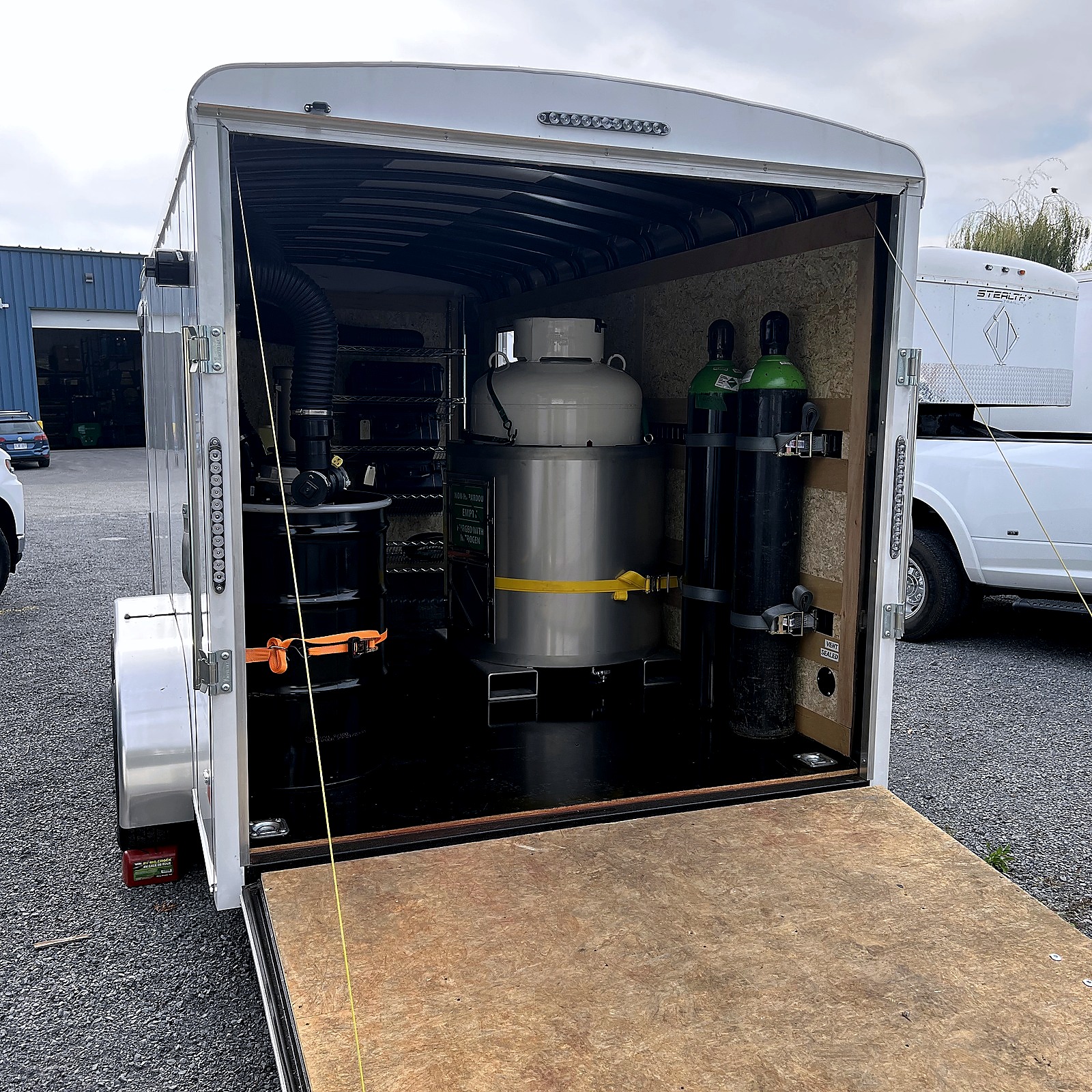
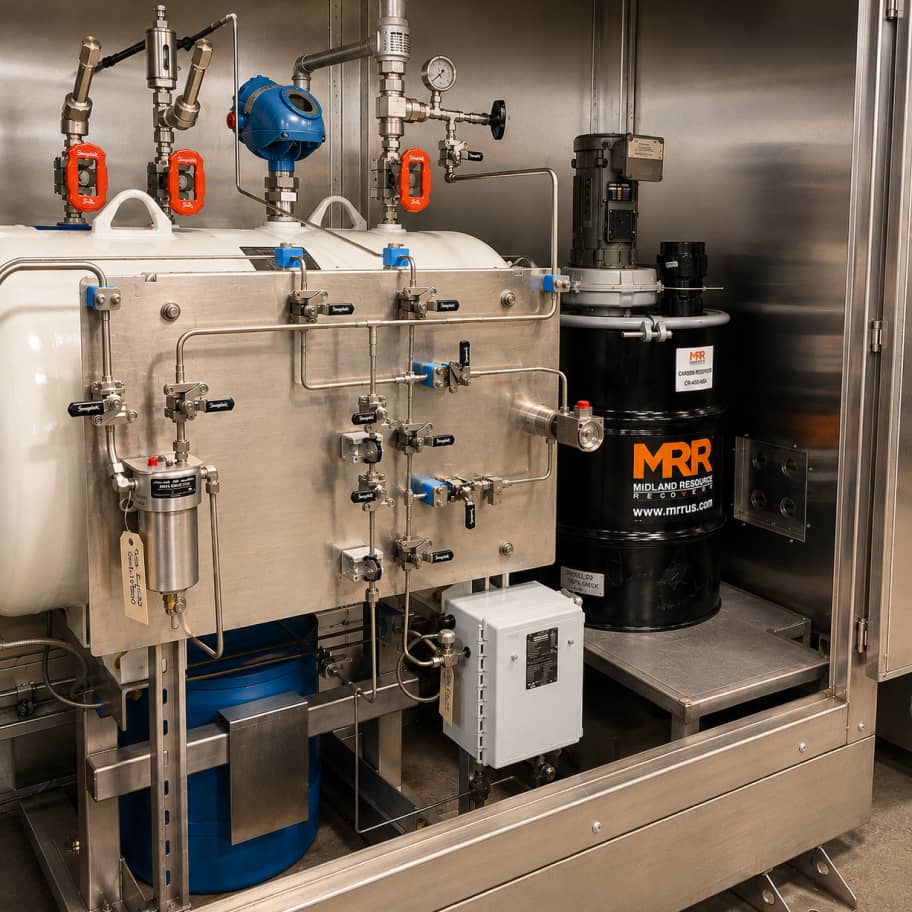
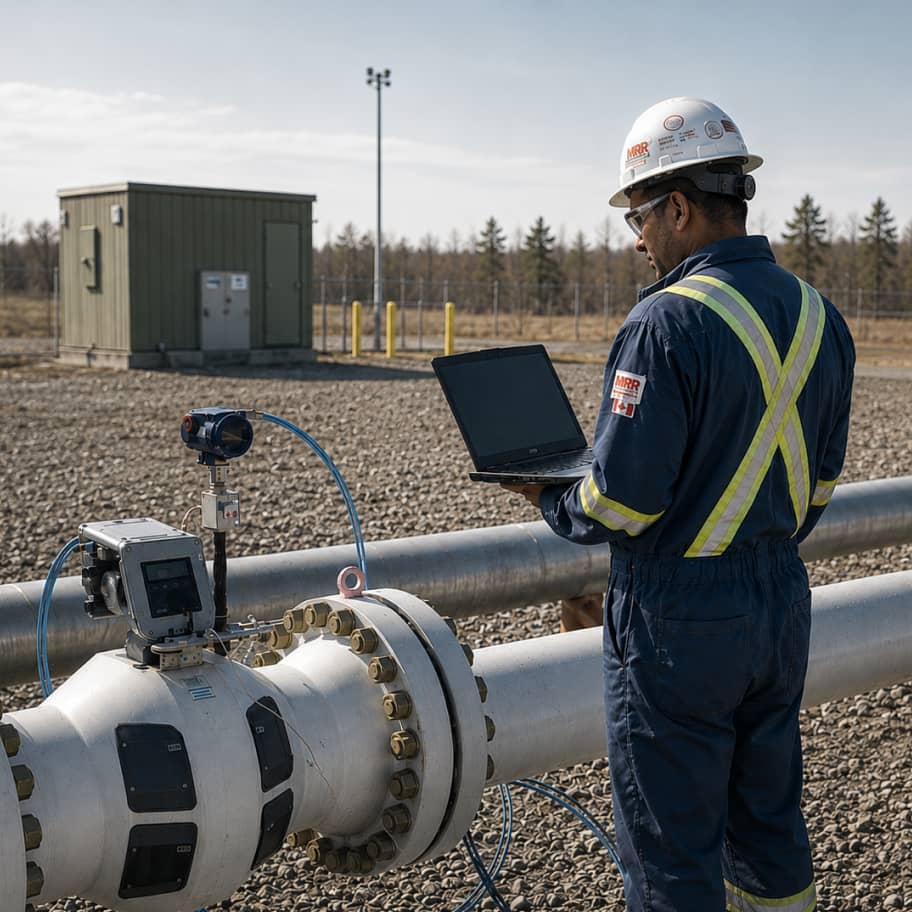
A catalytic heater was deployed to generate fresh gas samples at the OdorTracker monitoring point, enabling continuous measurement of odorant concentration through the conditioning operation. The OdorTracker logged data through the operation, providing the evidence base for confirming when each line had reached stable conditioning.
Throughout the operation, MRR placed area gas monitors inside the mall to track ambient conditions in the spaces around the pipe runs. The monitoring served two purposes: providing safety coverage for crews working in the building and surfacing any unexpected gas presence that would indicate a problem with the pipe being conditioned.
That second function turned out to matter. During the pickling work, the area monitors identified several gas leaks in the new pipework that had not been detected during the initial construction inspection. The leaks were flagged to the construction team and repaired before the lines were placed in service. The pickling operation, in addition to its primary purpose, surfaced quality issues that would otherwise have entered service undetected.
Outcome
The new gas lines were successfully conditioned over two weeks of on-site work. The discovered leaks were repaired, and the required acceptance testing was completed, before the lines transitioned to live service. The mall opened with new gas infrastructure conditioned for stable odorant delivery from the first day.
The construction management team received documentation covering both the pickling operation itself and the leak detection findings — material that became part of the building’s commissioning record and supported the operator’s ongoing system integrity program.
The pickling operation found the leaks because the monitoring was set up to find them. That is not always how pickling jobs are run. The construction team got better data than they had asked for, and the building opened with its leak repairs and acceptance testing documented and complete.