Training & Operational Preparedness
Ready Before It Happens
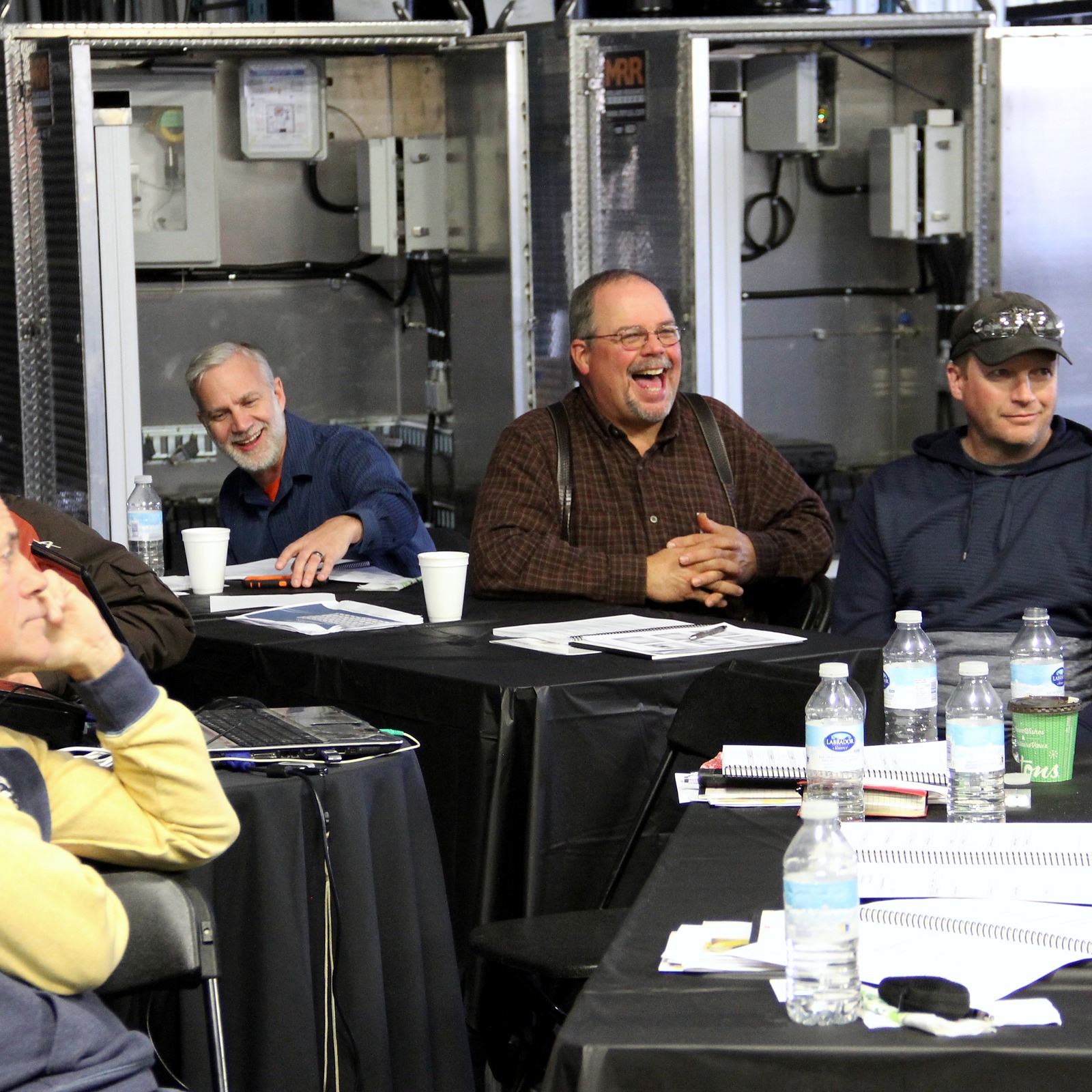
In thirty years of odorization work, MRR has seen a consistent pattern: many odorant incidents are preventable with proper training and procedure, including installation, operating procedures, and emergency response planning. Training closes those gaps before they become incidents. MRR builds custom classes around each customer's systems, equipment, and personnel, covering odorization fundamentals, odorant chemistry, odor-free handling, injection equipment operation, spill prevention, and emergency response.
Classes are delivered at your facility, at an MRR facility, or as sessions at industry events, with attendees receiving training records documenting the instruction they completed from MRR technicians and specialists who install, service, and respond to odorization systems for a living. MRR training can support an employer's hazard-communication and operational-preparedness program under 29 CFR 1910.1200; employers remain responsible for site-specific procedures, training, and compliance under applicable requirements.
Our Training Approach
Training Built Around Your Systems
Every class is tailored to the customer’s systems, equipment, procedures and operating environment. Personnel learn using examples that reflect the work they actually perform.
Hazard Communication Support
MRR’s odorant training can support employer requirements under 29 CFR 1910.1200 by covering relevant chemical hazards, handling practices and emergency response.
Experienced Field Instructors
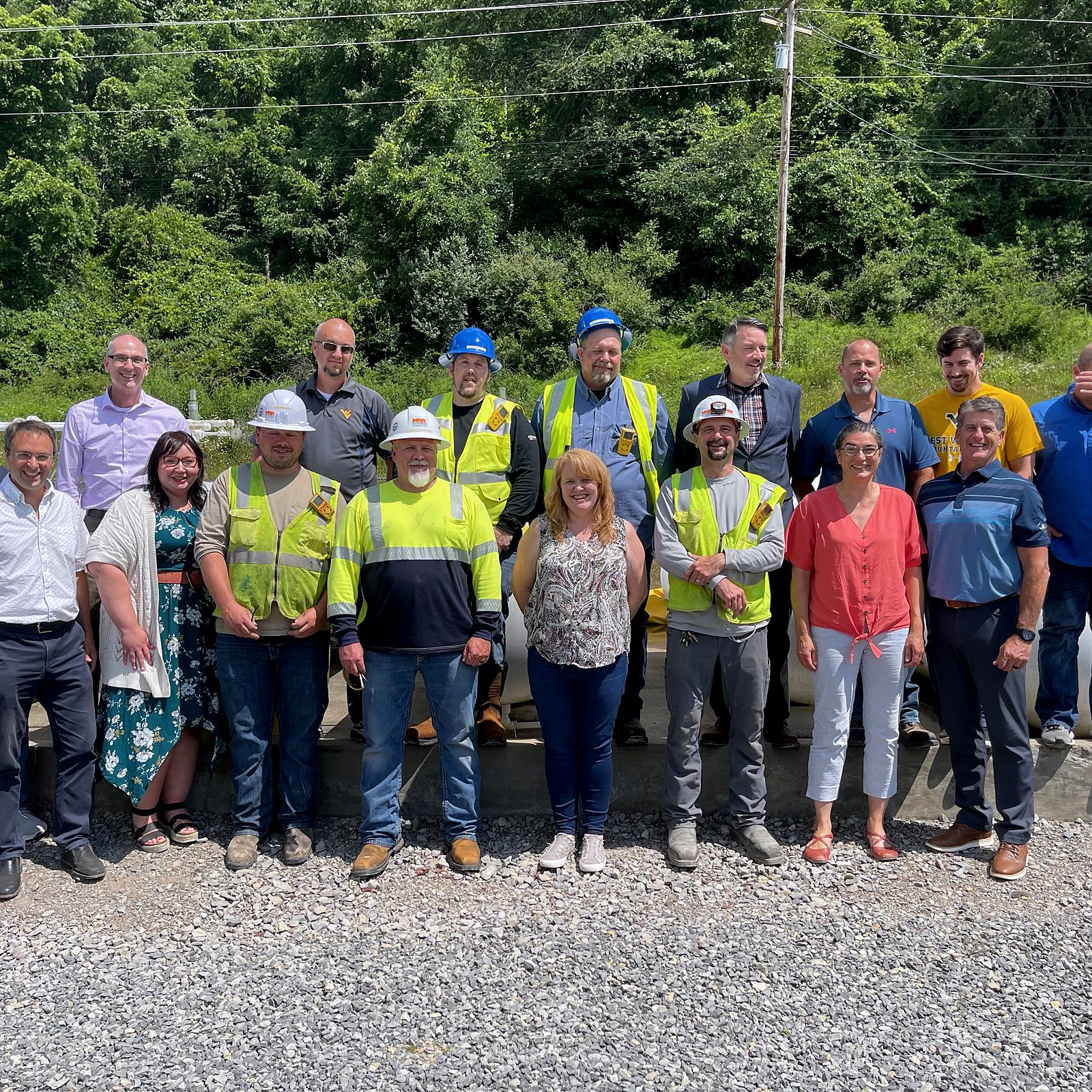
Training is delivered by MRR technicians and specialists with direct experience installing, servicing and responding to odorization systems in the field.
What We Cover
1
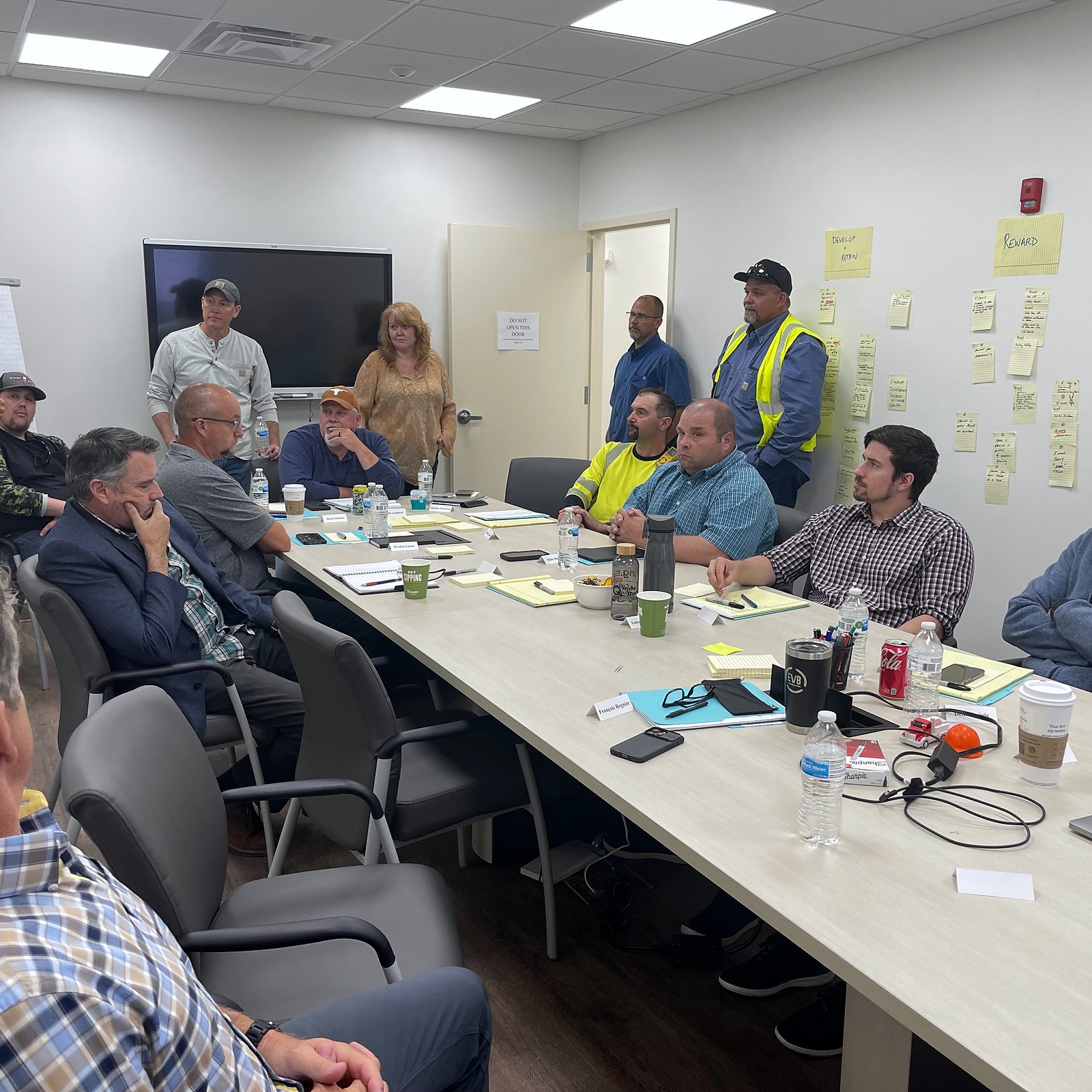
Odorization Fundamentals and System Operation
Why gas is odorized, what the objectives are, and how odorization systems achieve them. Coverage includes an overview of system types and hands-on instruction in injection equipment operation across all major platforms, electronic and mechanical injection, bypass systems, and the controls that govern them. Personnel learn what their equipment is doing and what a correct reading looks like.
Odorant Chemistry and Environmental Effects
The chemical and physical properties of odorants, and what those properties mean in practice: how mercaptan behaves in air, on soil, in cold weather, and around people. Environmental effects are covered directly, because personnel who understand why the handling procedures exist follow them under pressure.
2
3
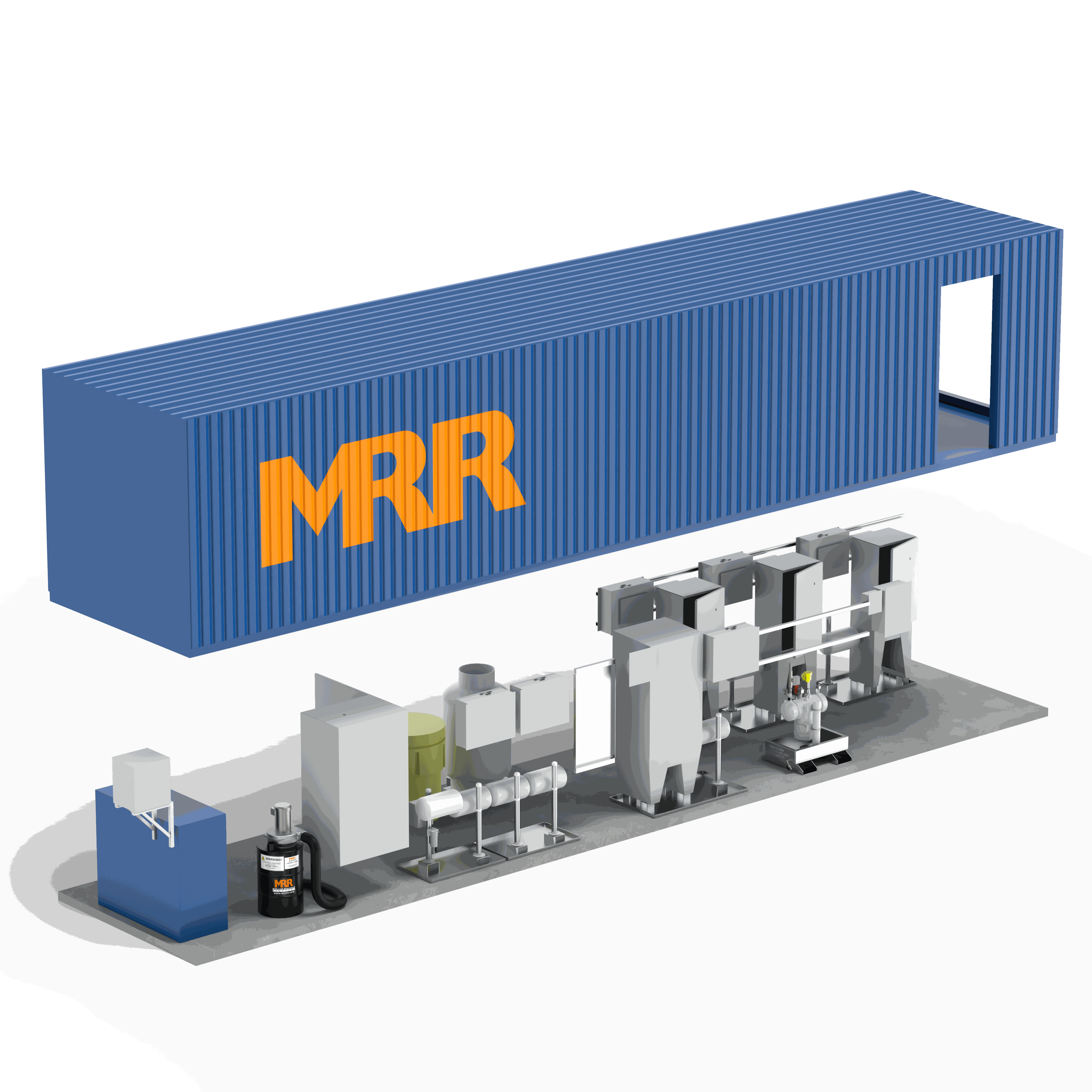
Hands-On Odorization Systems & Handling
Hands-on training across the odorization systems and equipment commonly encountered in the field, including equipment from multiple manufacturers. The focus is practical: transfer procedures, containment, vapor control, PPE, and transport requirements that help keep odorant where it belongs.
Spill Causes, Consequences, and Prevention
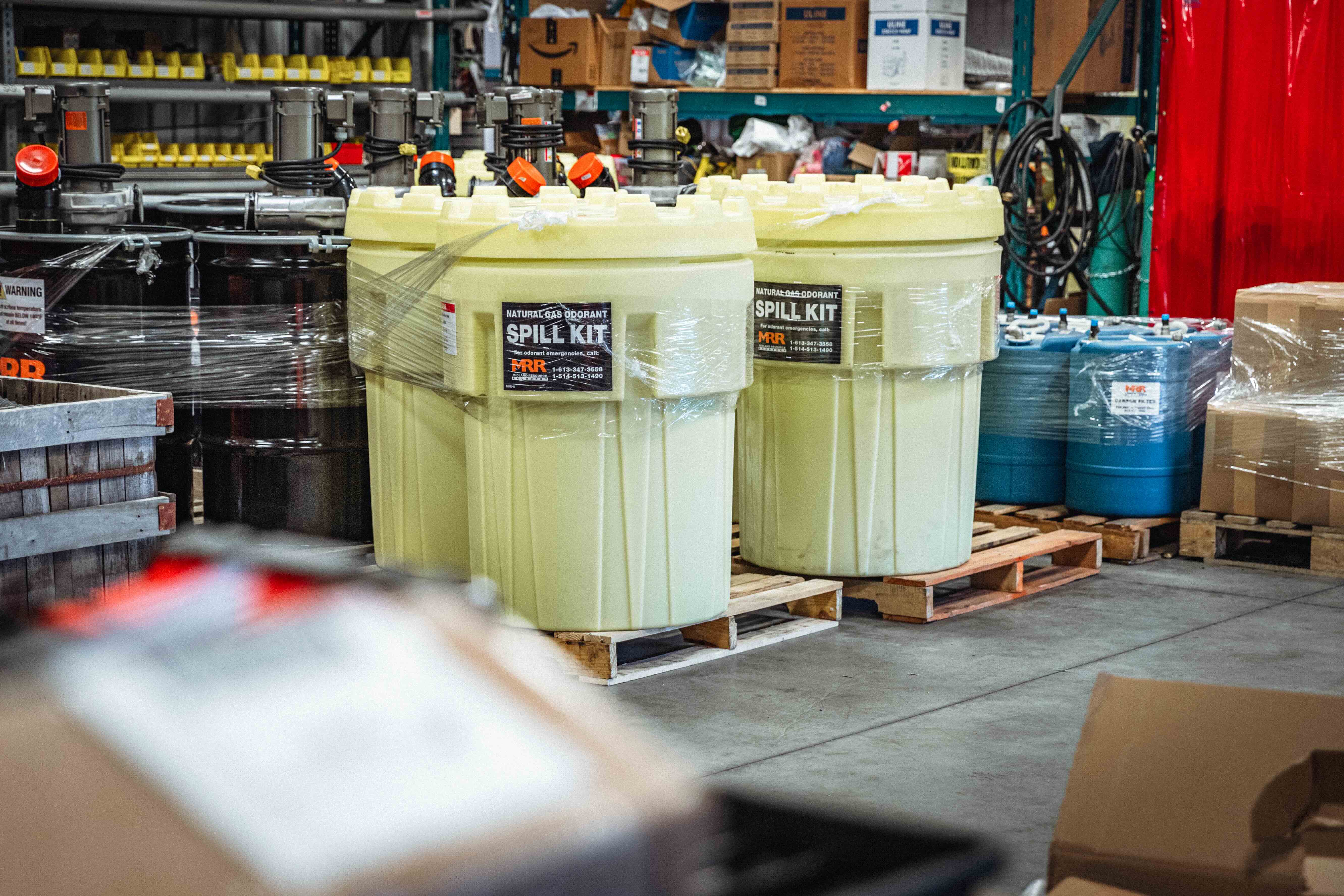
What actually causes odorant spills, what the consequences look like when one happens — operational, environmental, regulatory, and public — and the specific practices that prevent them. Prevention is taught as a set of decisions people make on site.
4
5
Emergency Response Planning and Case Scenarios
Building an emergency spill response plan that works when it's needed, then testing it against case scenarios drawn from real incidents with identifying details removed. Attendees work through what went wrong, what the response was, and what they would do at their own site. It is the closest thing to experience without the incident.