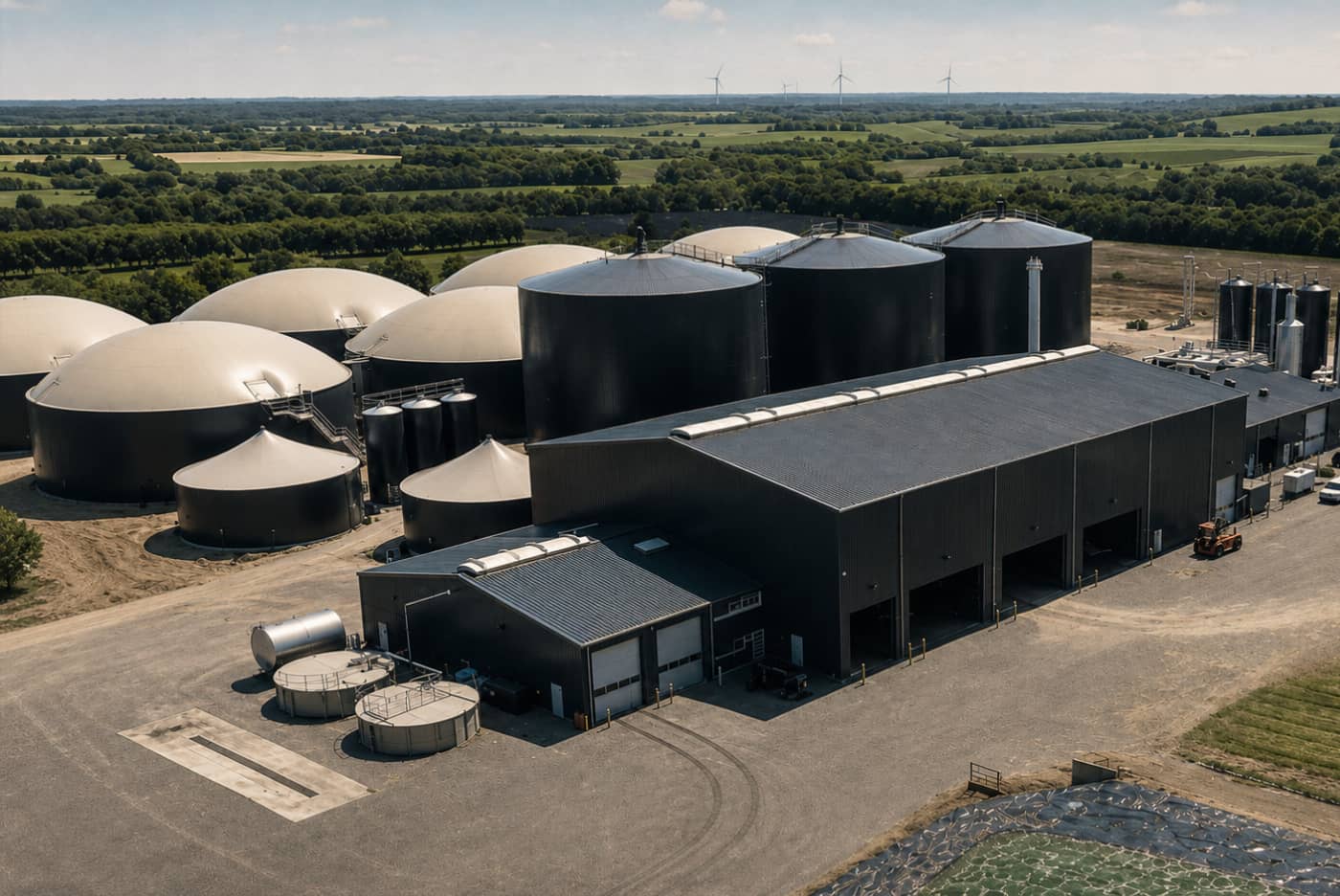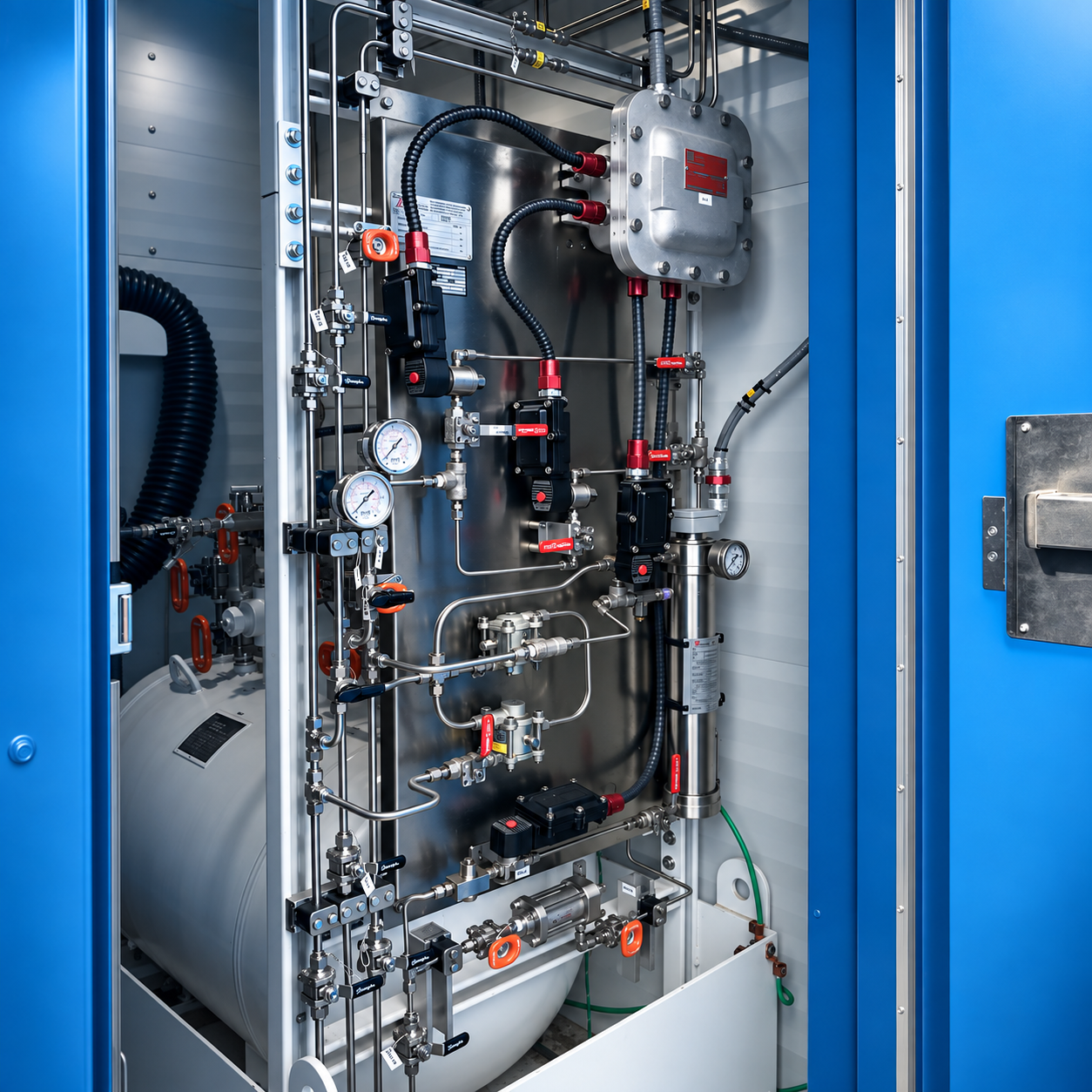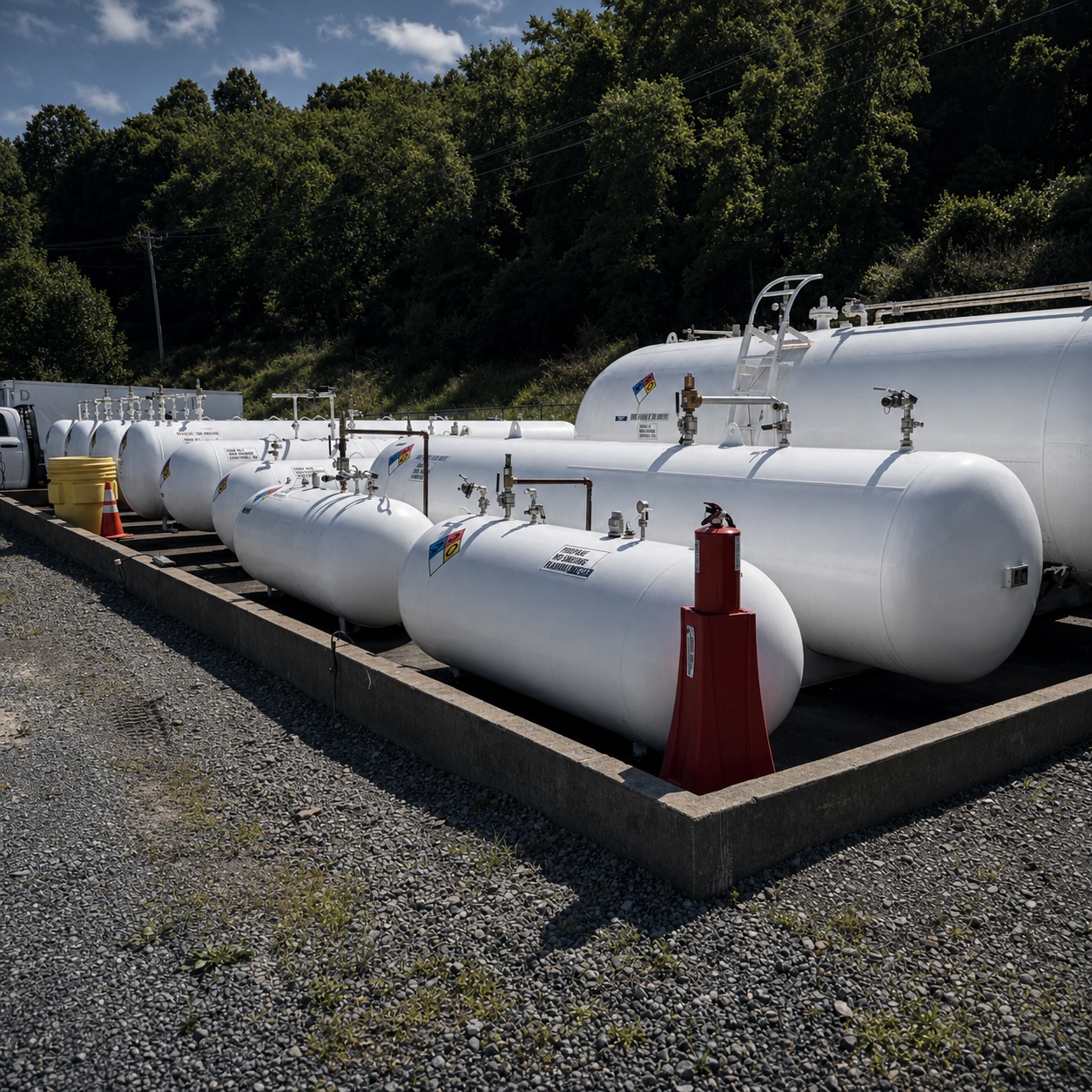
At some point, every piece of odorization equipment reaches the end of its working life. A station gets replaced with a modern flow-proportional system. A storage tank fails inspection. A facility is consolidated into a regional hub. A service territory is divested. Whatever the trigger, the equipment that comes out has to go somewhere, and getting it there is not a simple matter of calling a scrap hauler.
This article is for the utility asset manager, capital planner, or EHS lead looking at aging odorizer equipment and asking what a real decommissioning project looks like. It covers the regulatory stack, the typical project structure, the costs that derail budgets, and the deliverables that close the work.
When decommissioning is required and when it is optional
A few situations force the decision.
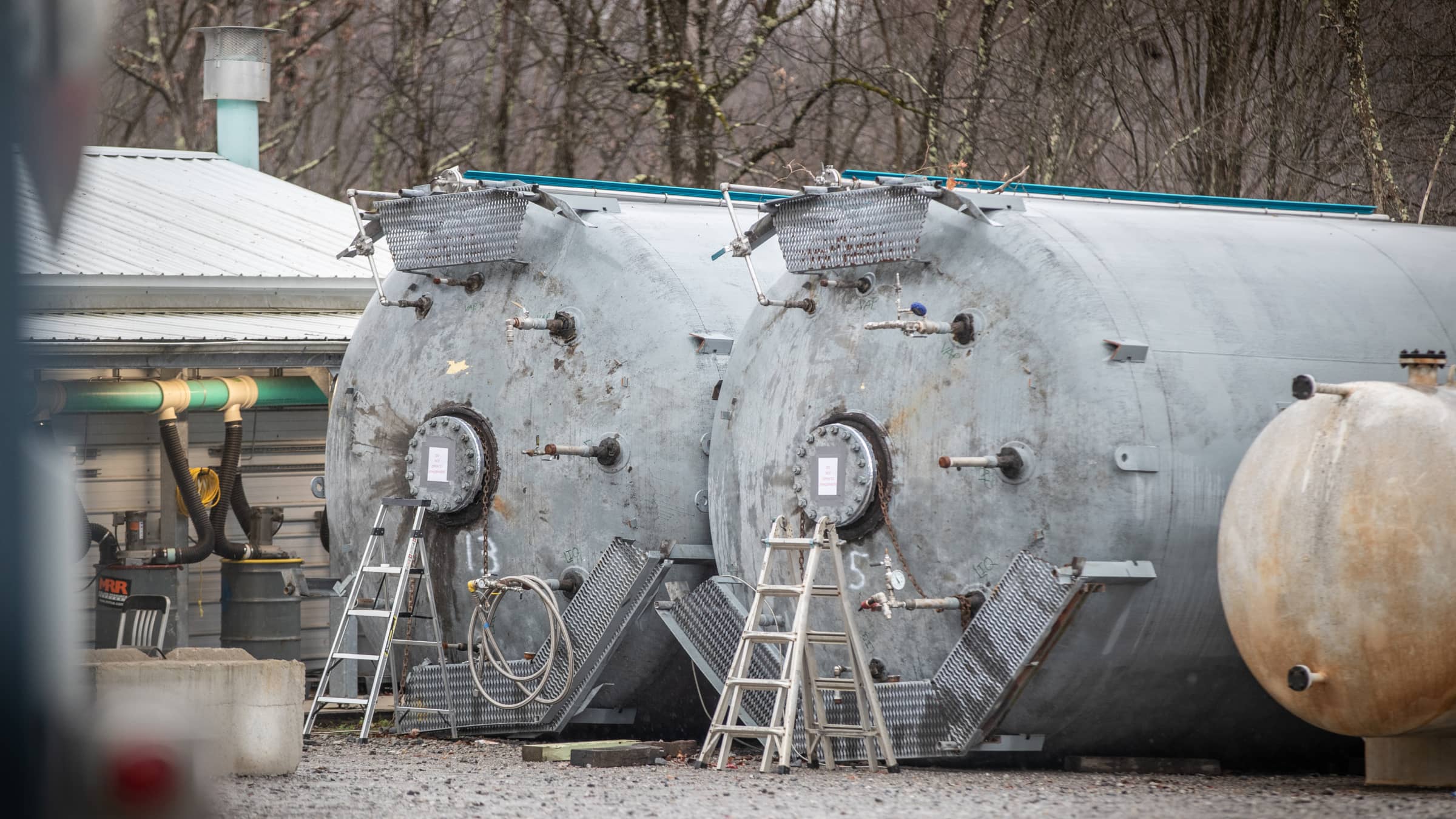
Regulatory mandate. Aboveground and underground storage tank rules at the federal and state level have age and condition triggers. Equipment that fails an integrity assessment, a leak test, or a corrosion inspection has to come out. State pipeline safety inspectors flag equipment that no longer meets current standards.
Operational obsolescence. Wick odorizers that no longer hold calibration. Bypass systems on lines whose flow rates have outgrown them. Mechanical injection pumps without modern monitoring. The equipment may still function, but the cost and risk of keeping it running exceed the cost of replacement.
Facility consolidation. Utility mergers, service territory consolidations, and operational redesigns regularly create surplus equipment. An odorizer station that was the right answer when a service area had four injection points may not be the right answer when those four become two.
Site closure. A processing plant shutting down. A landfill RNG project ending its useful life. A meter station relocated as part of pipeline reconfiguration. The site goes away and the equipment with it.
Outside these triggers, decommissioning is optional. An operator may decide that aging equipment carries enough operational risk or maintenance cost to retire ahead of forced replacement. The economics usually favor proactive retirement once equipment is past a certain age, particularly for systems where parts are no longer manufactured and repair becomes a matter of cannibalization.
The regulatory stack
A decommissioning project sits under several layers of regulation simultaneously. The full stack varies by jurisdiction and project, but the common elements include:
EPA underground storage tank rules at 40 CFR 280. Apply to underground odorant storage tanks meeting the threshold definitions. Require closure assessment, contamination evaluation, and documented disposition. The 2015 revisions tightened several requirements, particularly around release detection and operator training.
State program approval (SPA) requirements. States with EPA-approved programs administer the UST rules with state-specific additions. The applicable rules are state-specific; the operator needs to verify the current state requirements at the project planning stage.
DOT hazardous materials regulations at 49 CFR 171-180. Apply to the transportation of decommissioned equipment from the customer site to its destination. Cover packaging, labeling, manifesting, and driver qualifications. Mercaptan-contaminated equipment moves under hazmat documentation; the receiving facility must be authorized to accept the material.
OSHA standards for site work. Including the Hazard Communication Standard, the Process Safety Management standard where applicable, and confined space entry requirements for tank work. Training, procedures, and documentation requirements apply to the personnel performing the decommissioning.
EPA spill prevention rules at 40 CFR 112. Where the volume and location of stored odorant triggers SPCC requirements, the decommissioning project itself becomes a covered operation. Spill prevention measures during removal and transport are part of the regulatory baseline.
State pipeline safety regulations. State commissions and inspectors maintain authority over odorization equipment as part of pipeline safety. Removal projects typically require coordination with the state inspector or, in some jurisdictions, formal notification or approval.
Local requirements. Permits, fire department coordination, traffic control, and waste handling rules at the local level. Often the last item to surface in project planning and the first item to delay a project on the ground.
For Canadian operations, the analogous stack includes CSA Z662, provincial pipeline safety regulators (TSSA in Ontario, ABSA in Alberta, TSASK in Saskatchewan, Régie in Québec), federal hazmat regulations under the Transportation of Dangerous Goods Act, and provincial environmental rules.
A project planning exercise should produce a one-page summary of which elements of this stack apply to the specific project, with current section references. The summary becomes part of the project file.
Typical project structure
A decommissioning project for an odorizer station follows a predictable arc. The specifics vary with site complexity, equipment scope, and regulatory environment, but the structure is consistent.
Scoping and site assessment. Walk the site, inventory the equipment, identify the regulatory triggers, and assess the access and staging conditions. The output is a project scope and a preliminary cost estimate. This phase typically takes one to four weeks depending on the site count and complexity.
Permitting and notifications. File required notifications with state and local authorities. Coordinate with the host facility’s operations, EHS, and security teams. Schedule the work window with the operator’s outage plan. This phase often runs in parallel with detailed engineering.
Detailed engineering and procedure development. Develop the site-specific removal procedure, identify the equipment and personnel required, finalize the transport plan, and prepare the documentation templates. Includes the safety plan, the spill response provisions, and the communications plan for the work.
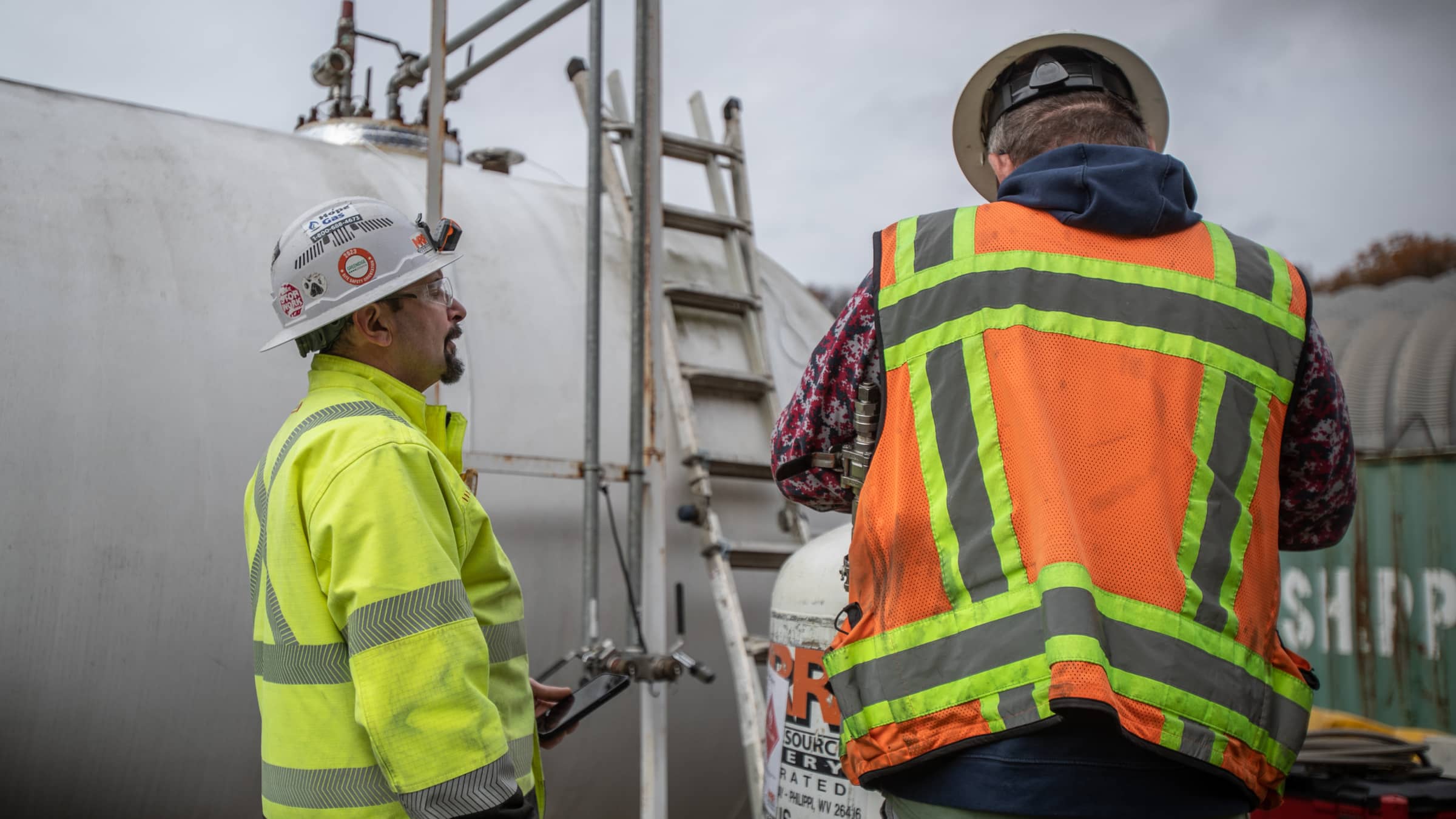
Mobilization. Move equipment, personnel, and consumables to the site. Set up containment, staging, and decontamination areas. Establish atmospheric monitoring and emergency response capability on site.
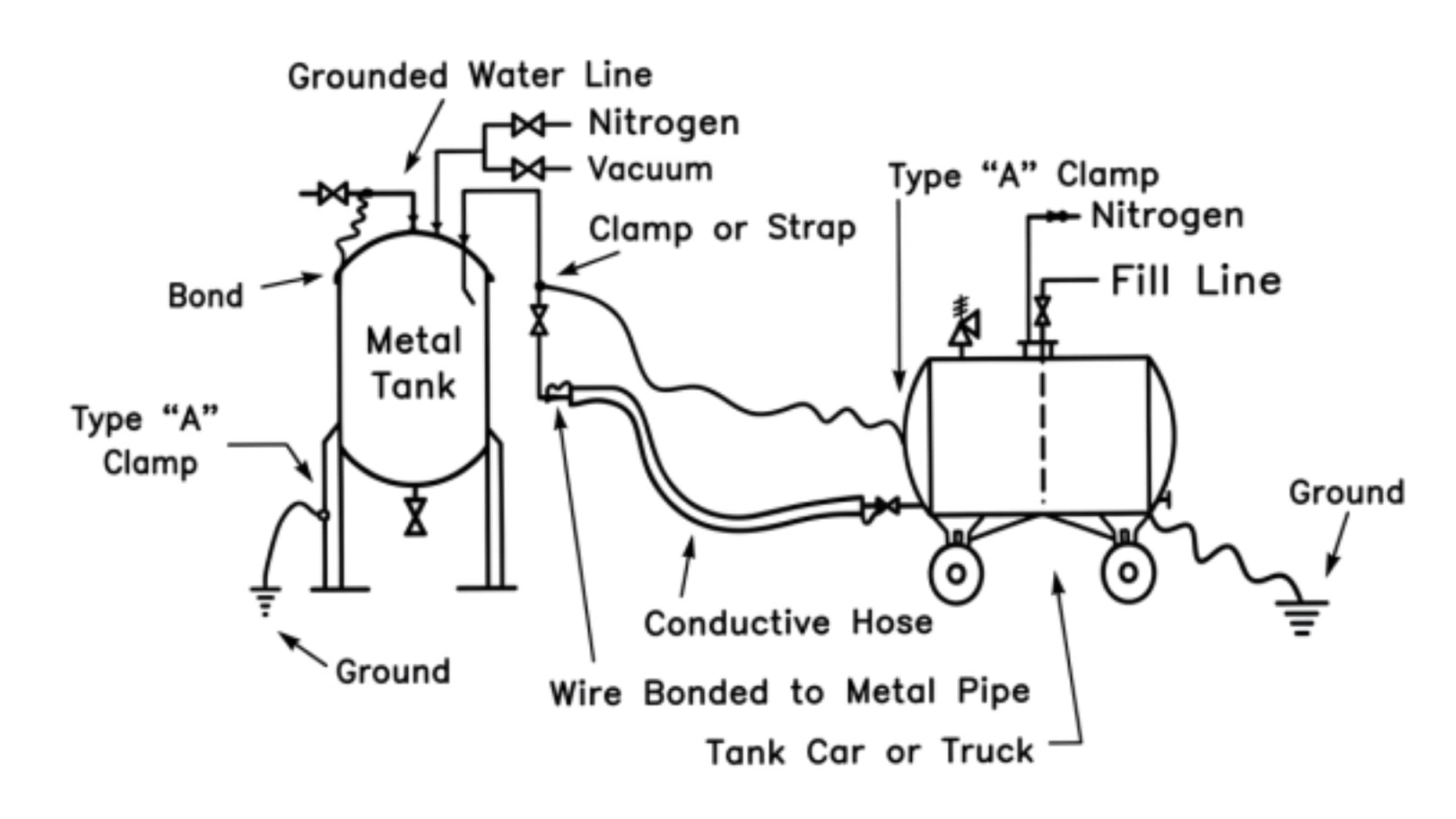
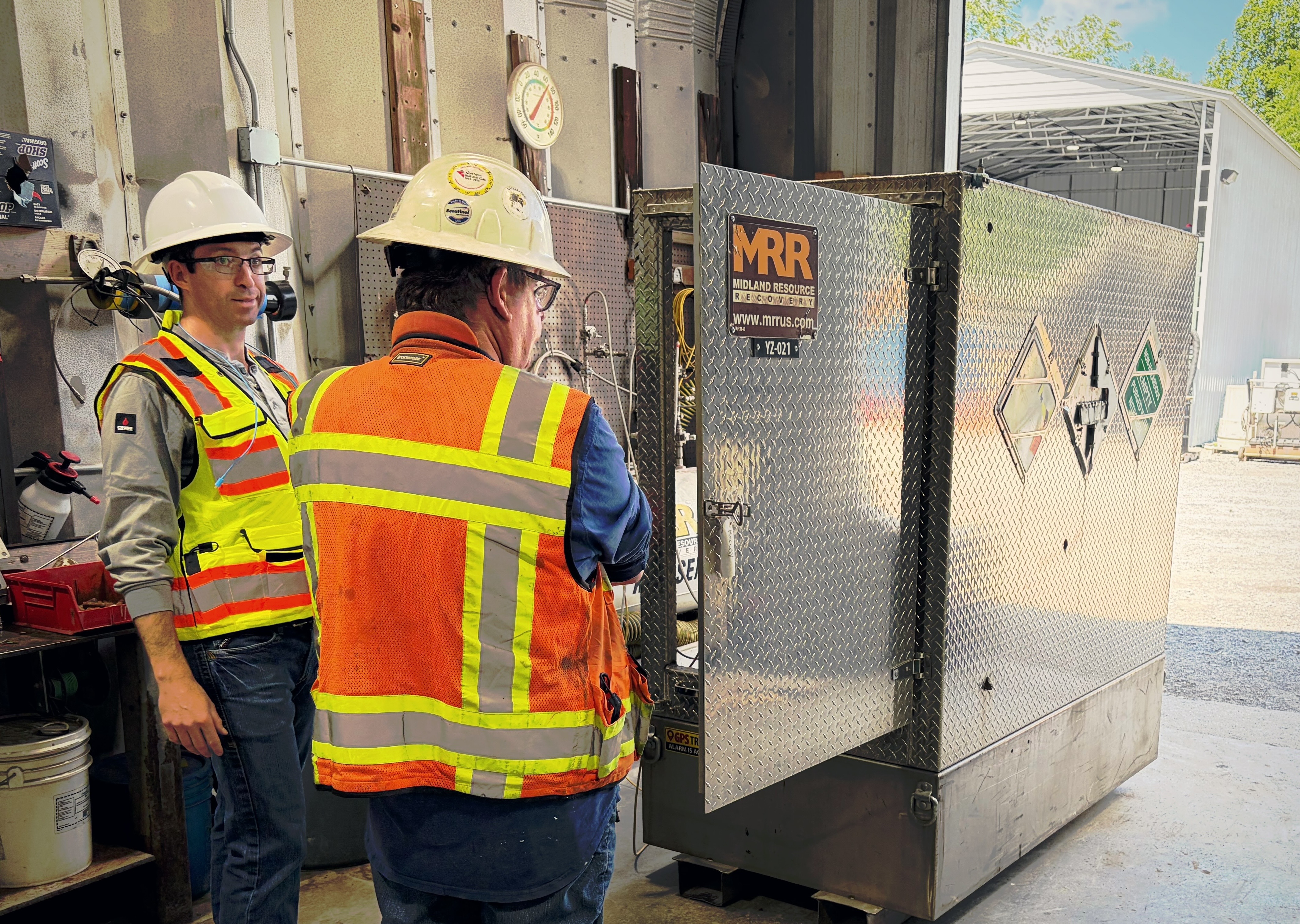
Isolation and drain. Isolate the equipment from active gas service. Drain residual odorant from tanks, piping, and associated equipment into MRR’s transport vehicles. Verify drainage with appropriate testing. This is the highest-risk phase of the work and the phase that benefits most from disciplined procedure.
Purge and removal. Purge equipment of residual vapor. Cut, disconnect, and remove the equipment. Load into sealed transport containers. Site cleanup and restoration as required.
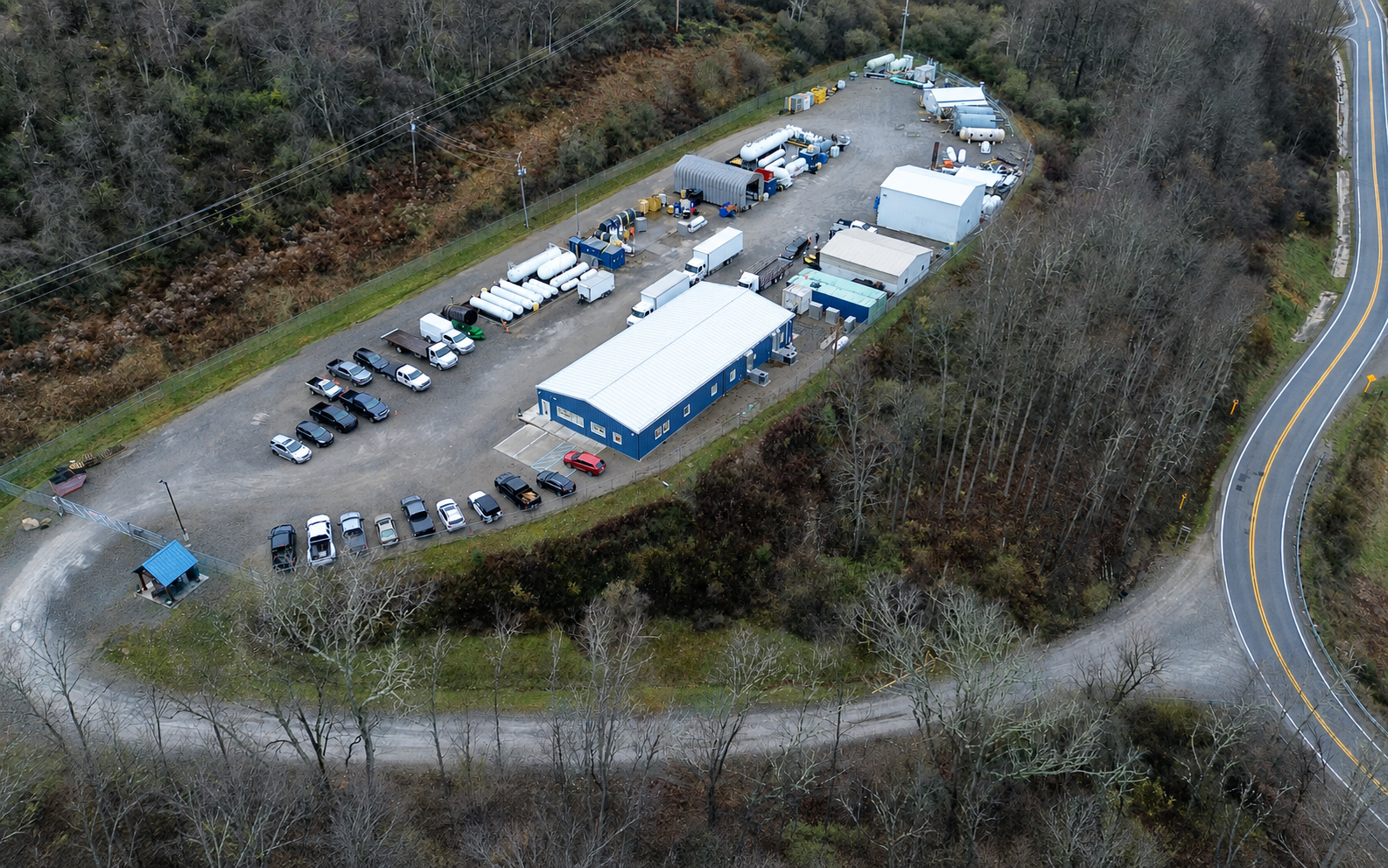
Transport to processing facility. Move equipment to MRR's Philippi, West Virginia facility under the required DOT shipping papers for hazmat transport, plus a hazardous-waste manifest where the material meets that classification. The transport phase is fully documented from departure to arrival.
Off-site processing. De-odorization, material recovery, and final disposition at Philippi. The customer receives the processing record as part of the project closure.
Closure and documentation. Final project file delivered to the customer. Includes the manifest chain, processing records, regulatory notifications and approvals, photographs, and final disposition certifications.
For a single-site project, the on-site work typically runs three to ten days. For a multi-site fleet retirement, the work is sequenced across the territory and may span months.
What derails projects
A few categories of issue account for most decommissioning project overruns.
Site conditions different from the scope. The tank that was supposed to be aboveground turns out to have an underground portion. The piping that was supposed to be eight feet of straight run has three buried elbows. The equipment that was supposed to be drained at decommissioning was actually drained ten years ago and refilled. Site verification at the scoping stage is the antidote, and corner-cutting at scoping is the most expensive corner an operator can cut.
Unanticipated soil contamination. A leaking tank, a historical spill, or contamination from a neighboring site. Soil contamination converts a decommissioning project into a remediation project. The triggers and the costs are different. Phase I and Phase II environmental assessments are sometimes warranted before scoping, particularly for older sites.
Access and logistics. Sites that were buildable in 1985 are not always accessible to modern equipment in 2026. Easements have changed, neighboring development has constrained access, and the only path to the equipment may run through someone else’s property. Identifying access issues at scoping is straightforward; discovering them at mobilization is expensive.
Regulatory surprises. A state requirement that turns out to be stricter than anticipated. A local fire marshal who has not been involved before. An air quality permit requirement that did not exist when the equipment was installed. Coordination with the regulator at scoping prevents most of these.
Operator coordination. The decommissioning project conflicts with the operator’s other work: a system upgrade, a regulatory deadline, a seasonal demand peak. Aligning the project with the operator’s broader plan at the scoping stage is more efficient than rescheduling at mobilization.
What the closure file should contain
A complete decommissioning project produces a closure package that includes, at minimum:
- The original project scope and any approved changes
- All regulatory notifications, permits, and approvals
- The site-specific procedure and the safety plan
- Photographs of the equipment before, during, and after removal
- The DOT shipping-papers chain, and hazardous-waste manifest chain where applicable, from site to processing facility
- The processing record from the receiving facility
- Final disposition certifications for all material
- Any waste manifests for non-recyclable components
- Site restoration documentation
- A final project summary suitable for filing with the operator’s records
For a utility EHS or compliance team, this package is the evidence that the project closed cleanly. It is what gets pulled during a future audit, a regulatory inspection, an acquisition, or a divestiture. A project that closes without a complete file leaves a long tail of uncertainty that resurfaces years later in inconvenient contexts.
Working with MRR
Midland Resource Recovery has been the North American pioneer in odorant equipment decommissioning since 1996. The work spans single-station removals, multi-site fleet retirements, and emergency response to failed equipment. Each project starts with the customer’s specific situation — the equipment, the regulatory environment, the operational constraints — and produces a project plan from there.
For utility operators looking at aging equipment, equipment that has failed inspection, or a planned consolidation that will produce surplus equipment, the right conversation starts at the scoping stage. The cost difference between a well-scoped project and a poorly-scoped one is larger than the cost difference between contractors. The variable that matters most is the quality of the planning at the front end.