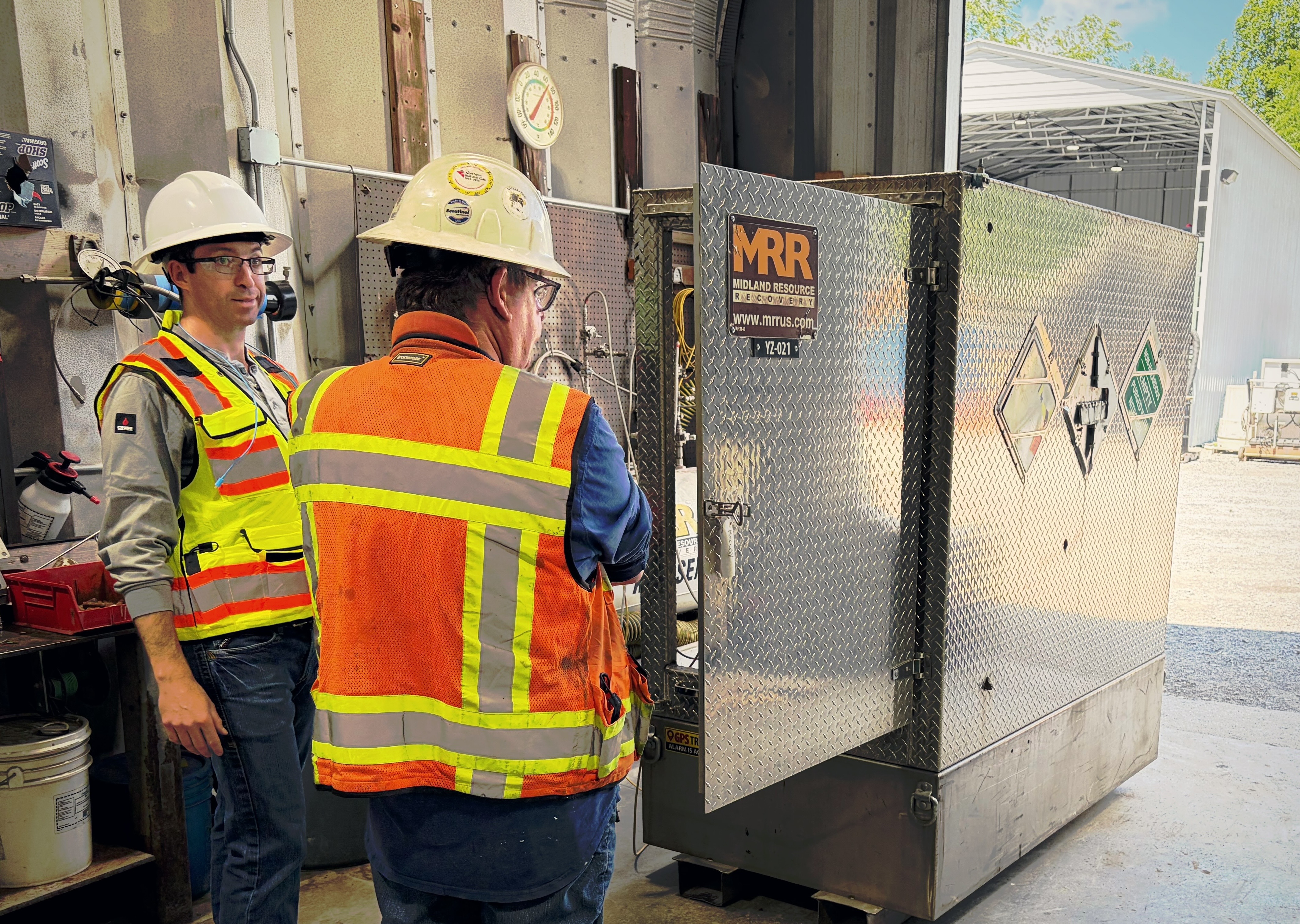
Why Odorization Is Required
Odorization isn't optional for most gas distribution systems — it's a federal requirement. Pipeline Safety Regulations under 49 CFR 192.625 require that combustible gas in distribution lines, and certain transmission lines, be detectable by smell at one-fifth of its lower explosive limit. In practice, that means an operator has to prove the gas smells strong enough, soon enough, for an ordinary person to notice and react before a leak becomes a hazard.
The rule has its roots in one of the deadliest school disasters in U.S. history: a 1937 natural gas explosion at a school in New London, Texas, that helped establish the case for mandatory odorization nationwide. For the full history, see The 1937 New London School Explosion and the Evolution of Gas Odorization Rules. For a section-by-section walkthrough of the current standard, including exemptions and sampling requirements, see Reading 49 CFR 192.625: An Engineer's Guide to the Odorization Standard.
What Odorant Is Made Of
Odorant isn't a single chemical — it's typically a blend. Common compounds include tertiary butyl mercaptan, tetrahydrothiophene (THT), isopropyl mercaptan, dimethyl sulfide, and methyl ethyl sulfide. The right blend for a given pipeline depends on factors like vapor pressure, resistance to oxidation, how readily the odorant penetrates surrounding soil (relevant if gas migrates before reaching a detectable concentration above ground), and how distinct and unpleasant the resulting smell is. For a deeper look at the chemistry and how these compounds behave in the field, see Mercaptan: The Chemistry Behind Natural Gas Odorization.
How Odorant Gets Into the Gas
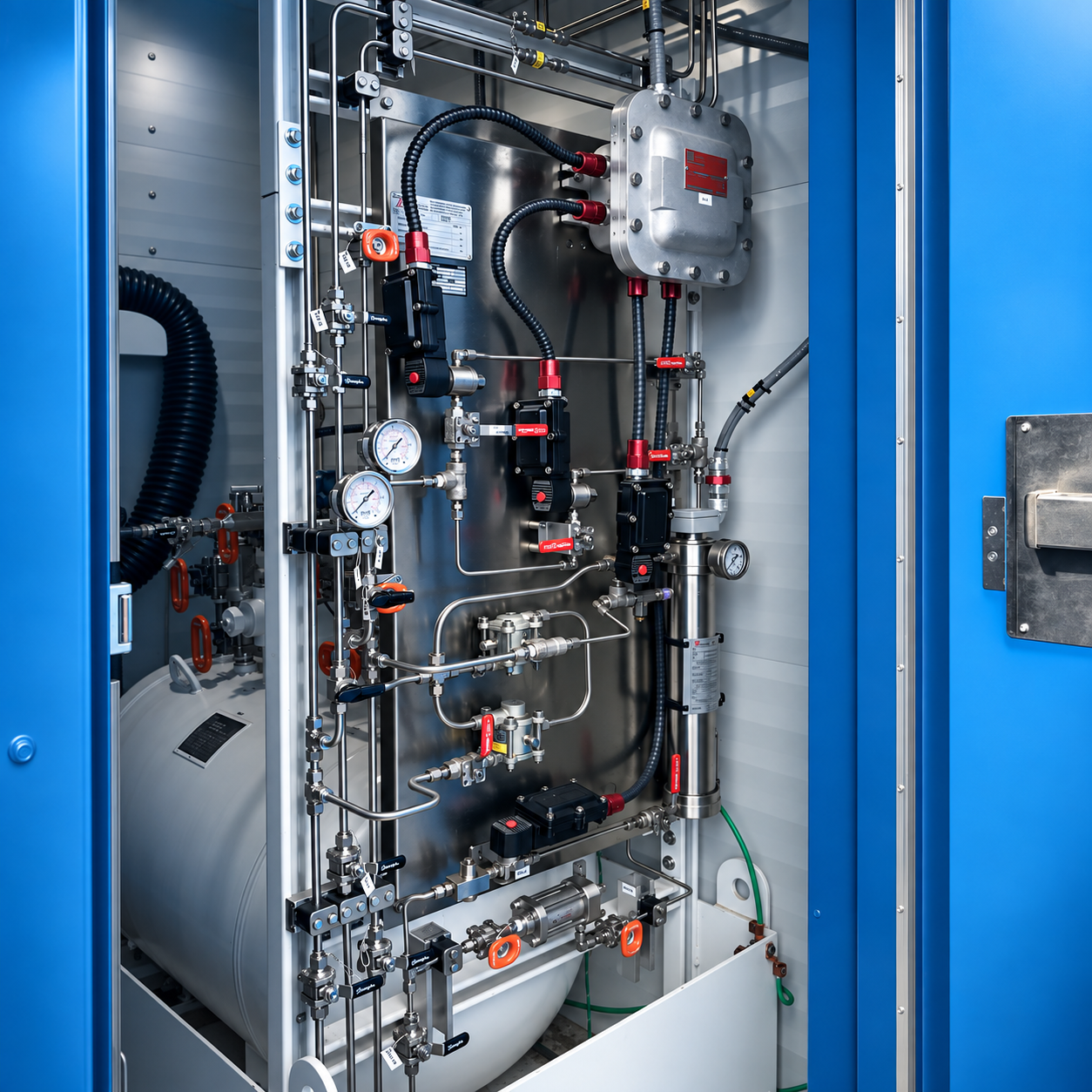
Getting odorant into a gas stream reliably, at the right concentration, across a wide range of flow rates and temperatures, is largely an equipment problem. Two broad approaches are used across the industry, built by a handful of established manufacturers — YZ Systems, Welker, King Tool, Pulsafeeder, and Peerless among them:
Vaporization-based systems draw a slipstream of gas across or through liquid odorant, picking up odorant vapor before rejoining the main gas flow. Bypass odorizers are the most common example, and are well suited to distribution systems with relatively steady flow.
Direct-injection systems meter liquid odorant straight into the gas stream, using pump-driven injectors, drip-feed systems, or pressure-differential (Bourdon tube) regulators. These give an operator finer control over dosing and tend to be the better fit for larger transmission lines, systems with variable or intermittent flow, or sites that need continuous electronic monitoring of injection rates.
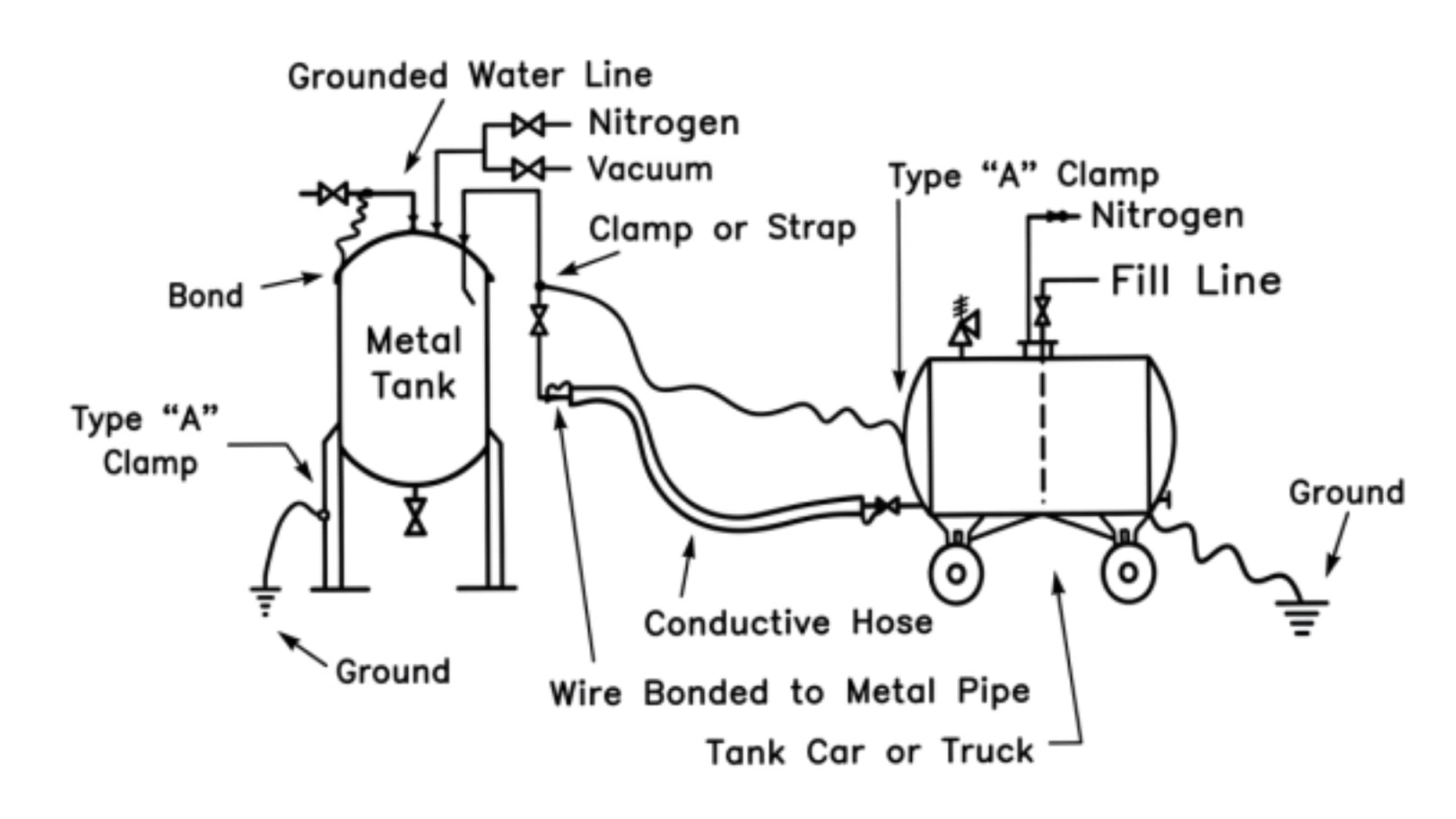
Selecting between them, and sizing the equipment correctly, depends on flow rate and its variability, gas composition, ambient temperature swings, and how much remote monitoring and control an operator wants over the system. Odorant itself also has to move safely from storage to equipment: filling and transfer operations are designed to minimize fugitive emissions and worker exposure during the process.
How MRR Supports Every Stage
MRR works across the full odorization lifecycle: designing and installing odorization systems, conditioning new pipeline before it enters service, supplying and delivering odorant, decommissioning aging equipment, and responding to spills when something goes wrong in the field. Contact MRR to talk through what a specific system or site needs.