Pipeline Conditioning & Commissioning
Compliant from Day One
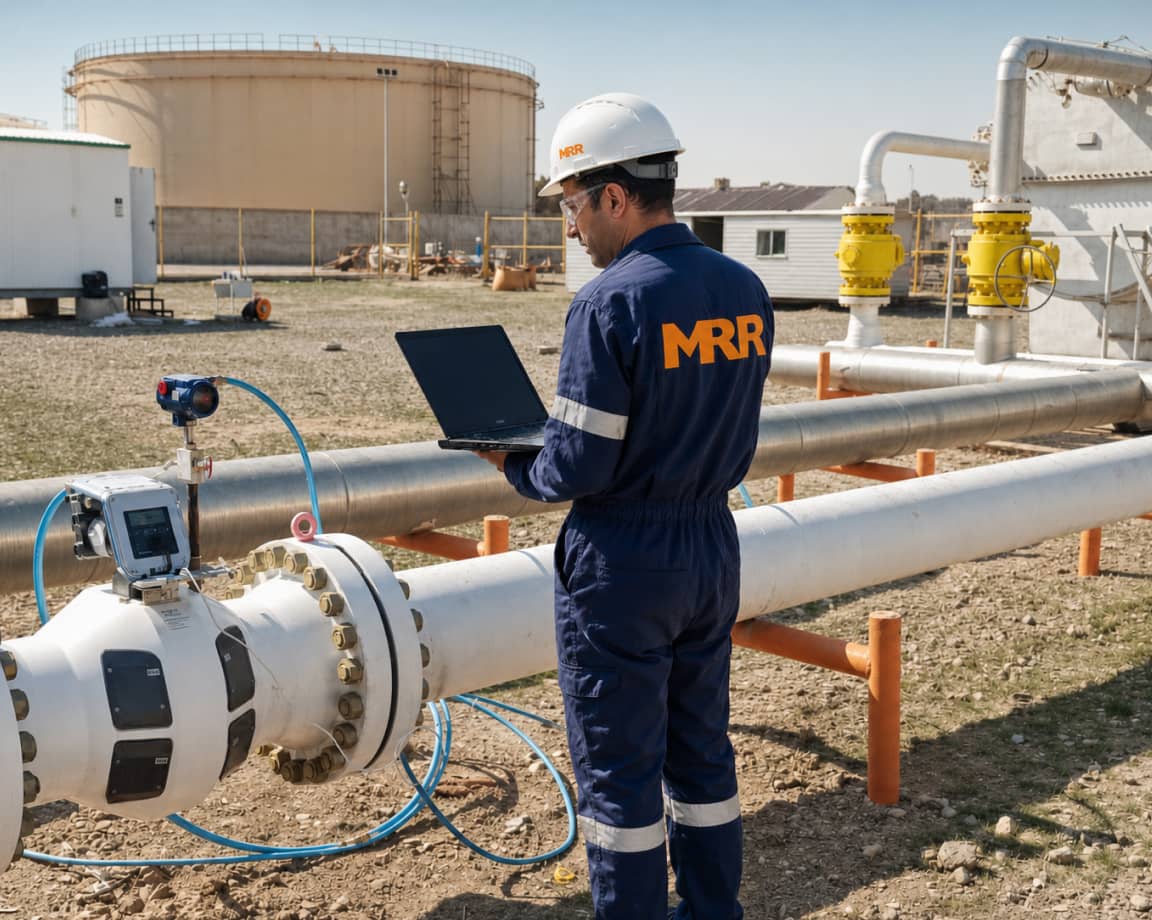
When new steel pipe enters service, its surface adsorbs odorant molecules, a phenomenon known as odor fade. Left untreated, odor fade weakens odor strength in the gas stream, delays commissioning, and creates real public-safety risk. Conditioning the pipeline before start-up is standard practice under most commissioning plans and applicable codes; doing it right the first time is what keeps it off the incident log.
MRR engineers a pickling program for each pipeline, whether steel, plastic, or internally coated, and whether new construction or reactivation, accounting for materials, flow conditions, and construction sequence, then executes it with flow-proportional odorant injection, continuous monitoring, and documented validation. Projects align with the applicable odorization requirements on both sides of the border, including 49 CFR 192.625 in the US and CSA Z662 and B149.1 in Canada. Every project closes with MAV™ (MRR Analytical Validation) confirming the gas entering service is odorized to specification.
Engineered Conditioning
Odor Fade, Prevented
Pickling conditions the pipe surface so odorant carries evenly and reliably from the first day of service. No weak odor, no failed readings at commissioning, no costly re-odorization later.
Precision, Not Guesswork
Odorant injection is governed by real-time flow measurement rather than timers or manual dosing. The result is more uniform odorization from start to finish, minimizing wasted odorant.
Compliant and Verified
Projects align with the applicable odorization requirements on both sides of the border: 49 CFR 192.625 in the US, CSA Z662 and B149.1 in Canada. Every job closes with documented confirmation.
From Pickling Plan to Verified Performance
1
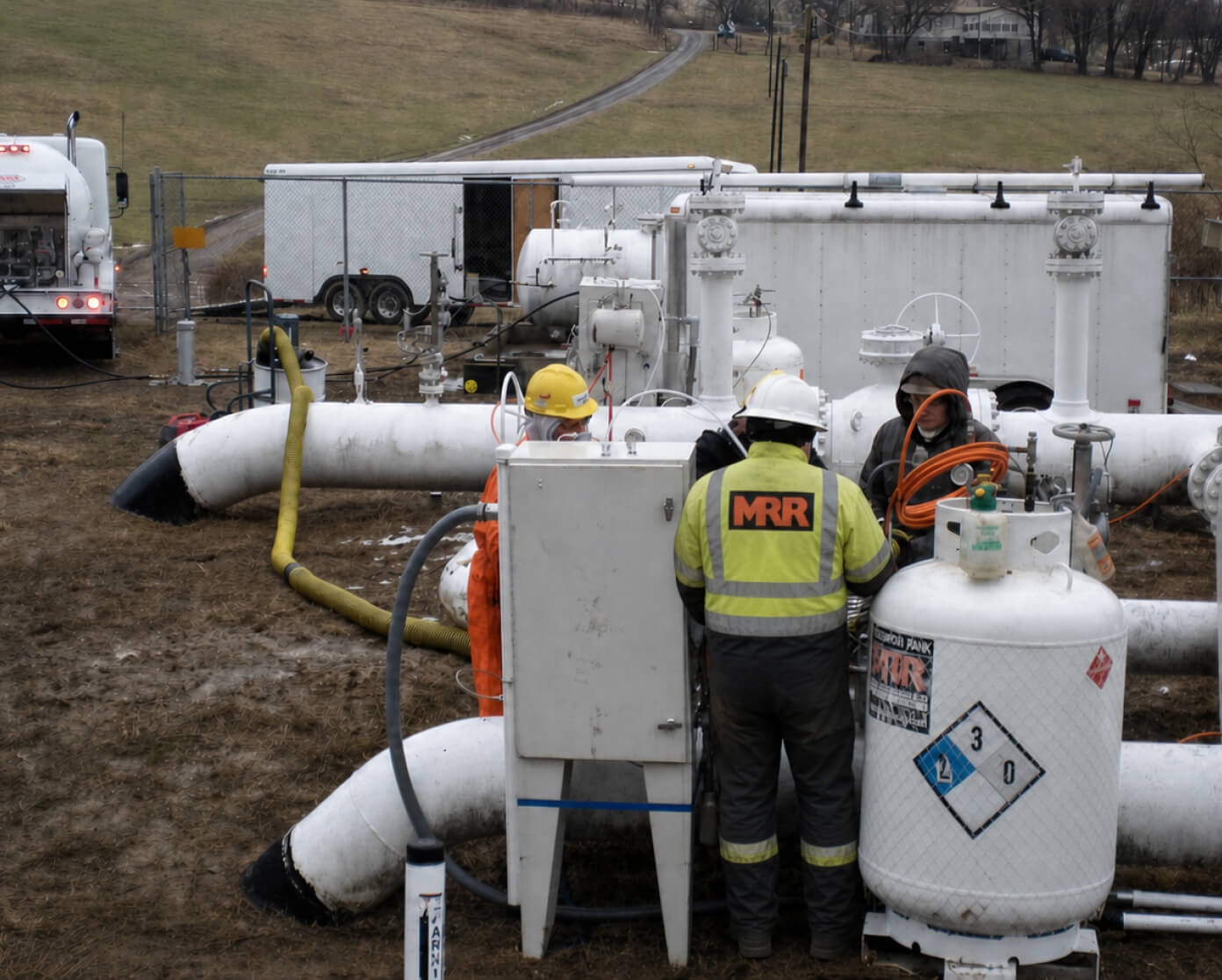
Engineering the Pickling Plan
Every pipeline is unique. MRR engineers design each pickling plan around the line's flow conditions, materials, and construction sequence, anticipating variables like rust, mill scale, residual moisture, and pipeline age. The plan defines injection points, target concentrations, and verification criteria before anyone mobilizes.
Choosing the Right Conditioning Method
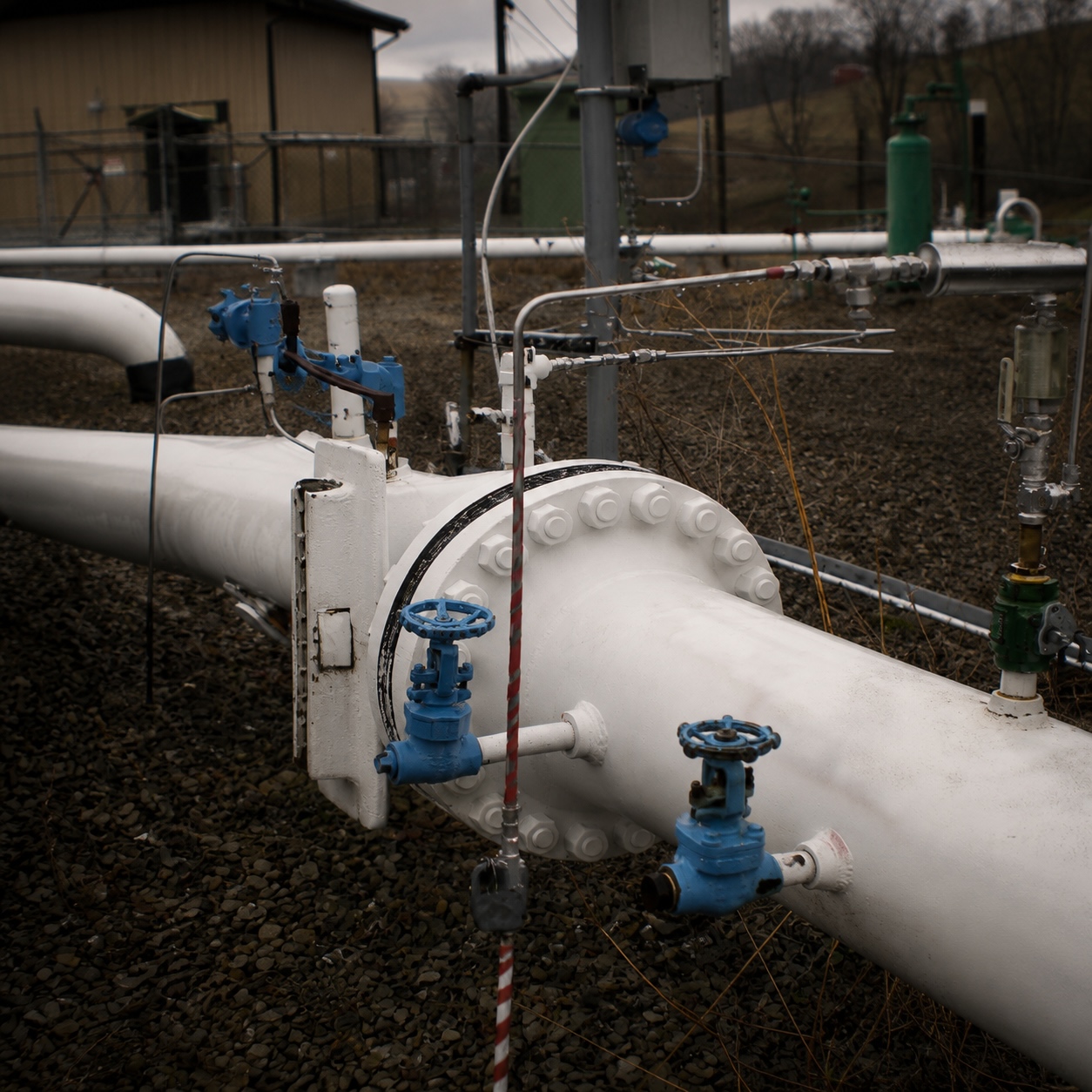
There is no single correct way to pickle a pipeline. MRR selects the method that fits the line, the schedule, and the site: in-service flow-proportional injection or offline conditioning before start-up, and owns the execution either way. Liquid and vapor injection technology is matched to the pipeline in every case, and the site is restored to the condition specified in the project scope.
2
3
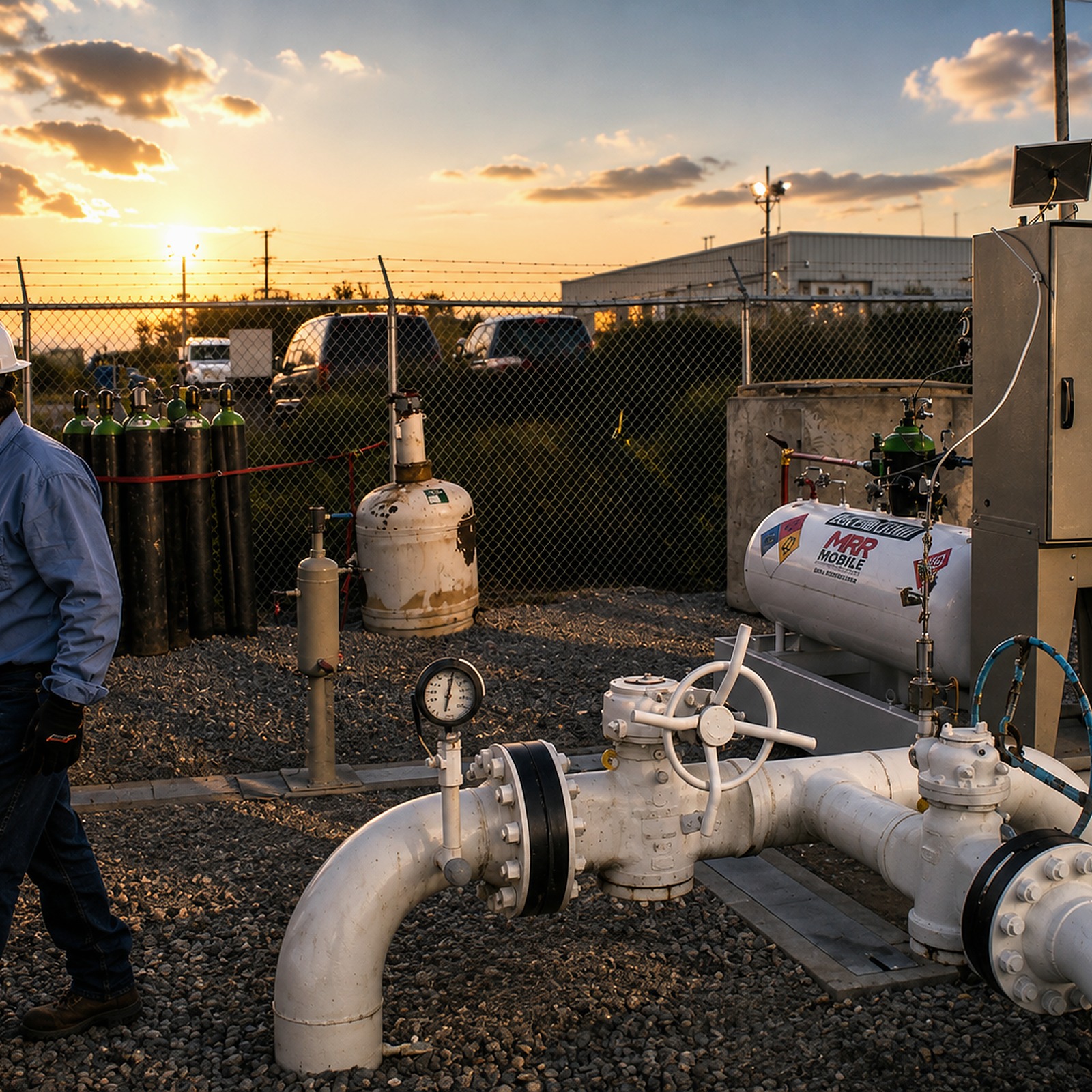
Monitoring, Validation, and Turnover
Odorant concentration is measured throughout the project rather than assumed, with tail-end MRR OdorTracker™ monitoring providing continuous mercaptan readings and remote text or email alerts so make-up odorization is driven by live data. Under-odorization and nuisance leak calls from over-odorization are both caught early. Every job is then verified through MRR's proprietary MAV (MRR Analytical Validation) framework, documenting odorant contact time, recovery rates, and odor-fade protection before the line enters service.