
Staying Safe in the Heat: Summer Safety for Industrial Worksites
As the summer sun beats down and the temperatures climb, those who work in outdoor and industrial settings face a serious challenge: staying safe in the heat. Whether you’re in gas pipeline maintenance, odorization services, or field inspections, working safely in high temperatures is critical to protecting your health and preventing serious heat-related illnesses.
At MRR, safety is at the core of everything we do. As part of our commitment to operational excellence and workforce well-being, we encourage all crews, contractors, and field technicians to be aware of the signs of heat stress and know how to prevent it.
Recognizing the Signs: Common Heat-Related Illnesses
Heat Stroke
This is the most dangerous form of heat illness. It occurs when the body’s temperature regulation system fails. Without immediate treatment, heat stroke can cause permanent damage—or even death. Watch for:
- A rapid, strong pulse
- Dry, red skin with no sweating
- Confusion or slurred speech
- High body temperature (106°F or higher)
- Chills or seizures
Heat Exhaustion
Often a precursor to heat stroke, heat exhaustion happens when the body loses too much water and salt through sweat. Symptoms include:
- Heavy sweating and pale, clammy skin
- Fatigue and dizziness
- Muscle cramps
- Nausea or headache
Heat Cramps
These painful muscle spasms—often in the legs, arms, or abdomen—are caused by electrolyte imbalances due to excessive sweating.
Heat Rash
A more minor but irritating condition, heat rash appears as red clusters of pimples or blisters, usually in areas where clothing causes friction like the chest, neck, groin, or underarms.
Stay Cool: 10 Hot Weather Safety Tips
Working around gas odorization systems and pipeline infrastructure doesn’t stop in the summer, so take these precautions to protect yourself and your team:
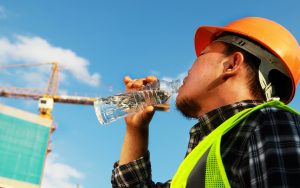
- Hydrate regularly: Start your shift with at least 16 oz. of water and keep drinking small amounts every 15–20 minutes.
- Avoid caffeine and alcohol: These can dehydrate you more quickly in high temperatures.
- Dress smart – Light-colored, breathable, and loose-fitting clothing will help your body regulate heat more effectively.
- Pace your work: If you’re performing strenuous tasks outdoors, especially near pressurized systems or enclosed facilities, work in intervals.
- Take breaks: Use shaded areas or vehicles with A/C for cooling down.
- Cool down with water: A damp towel around your neck or face can be a quick way to reduce body temperature.
- Protect your skin: Use sunscreen and wear hats or protective headgear when exposed to direct sun.
- Watch for warning signs: Keep an eye on coworkers and report symptoms immediately.
- Avoid prolonged direct sun exposure: Schedule tasks early in the day when possible.
- Eat light: Choose water-rich fruits and smaller meals to help your body stay cool.
Our Commitment to Safety
MRR is proud to support safety-first practices at every level of our operation. As summer temperatures rise, we encourage our partners and personnel to take proactive steps to reduce risk and prioritize health on every job site.
For additional information on heat-related illness and prevention, visit NIOSH’s official page on heat stress.
For more safety insights and operational best practices, explore our website or contact us directly.