Preventative Maintenance
Scheduled Equipment Service
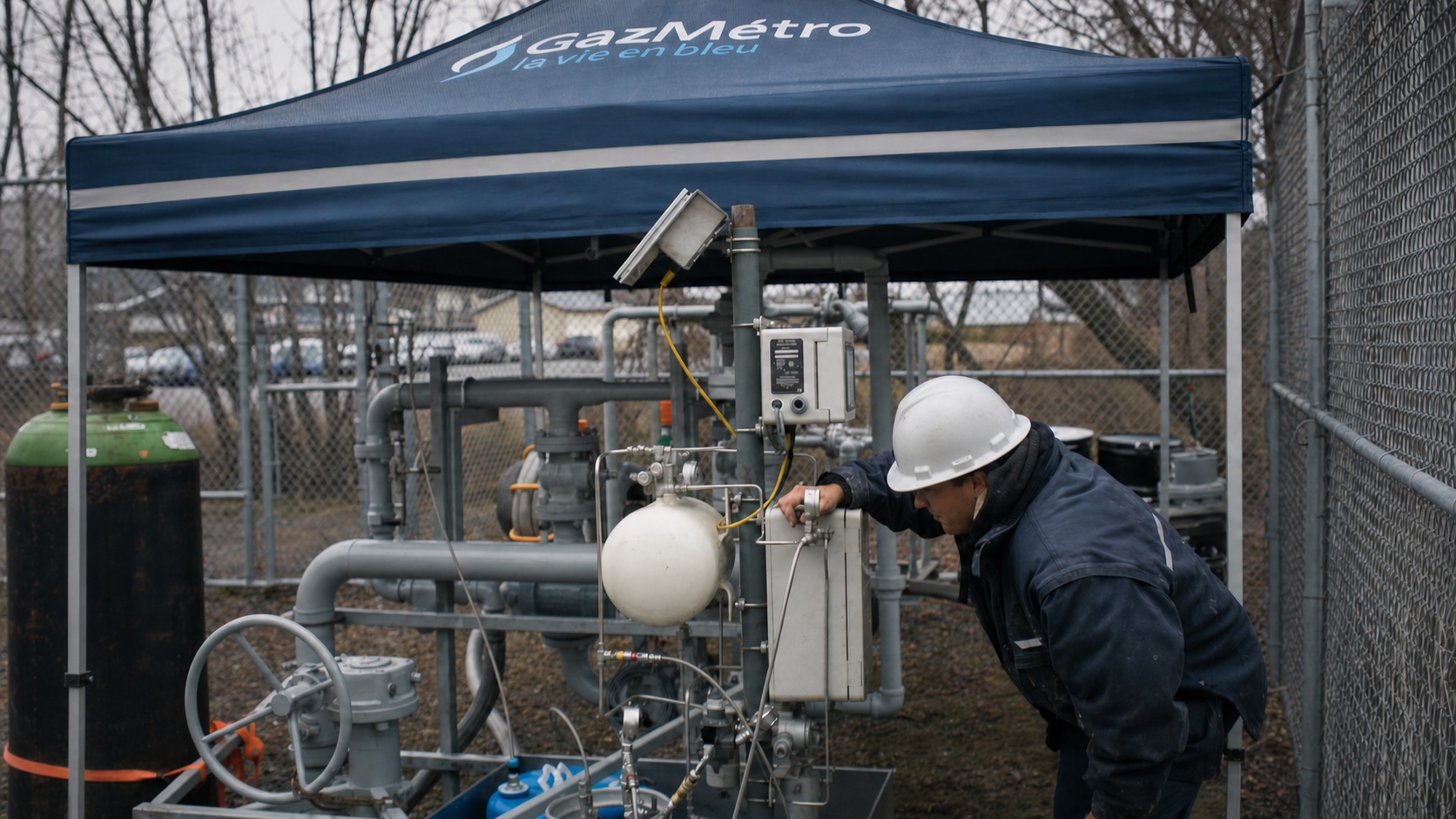
Odorization equipment is expected to operate continuously across changing flow, weather and site conditions. Preventative maintenance helps identify wear, contamination, control issues and declining equipment performance before they become an odorization failure. MRR services multiple odorizer technologies and manufacturers and evaluates the complete installation: injection equipment, storage, filtration, pressure control, tubing and fittings, alarms, communications and associated odorant-handling components. The goal is not simply to complete a maintenance checklist. It is to leave the system operating as intended.
Calibrated Equipment, Lower Cost
Multi-OEM Expertise
MRR works across a broad range of legacy and current odorization equipment rather than limiting service to a single manufacturer.
Inspect the Complete System
The odorizer, tank, filters, regulators, valves, controls, tubing, telemetry and surrounding installation all affect reliability.
Document What Was Found
Service records identify work completed, observed deficiencies and recommended corrective actions.
Prevent Failure Before It Becomes an Odorization Event
1
Build Maintenance Around Actual Duty
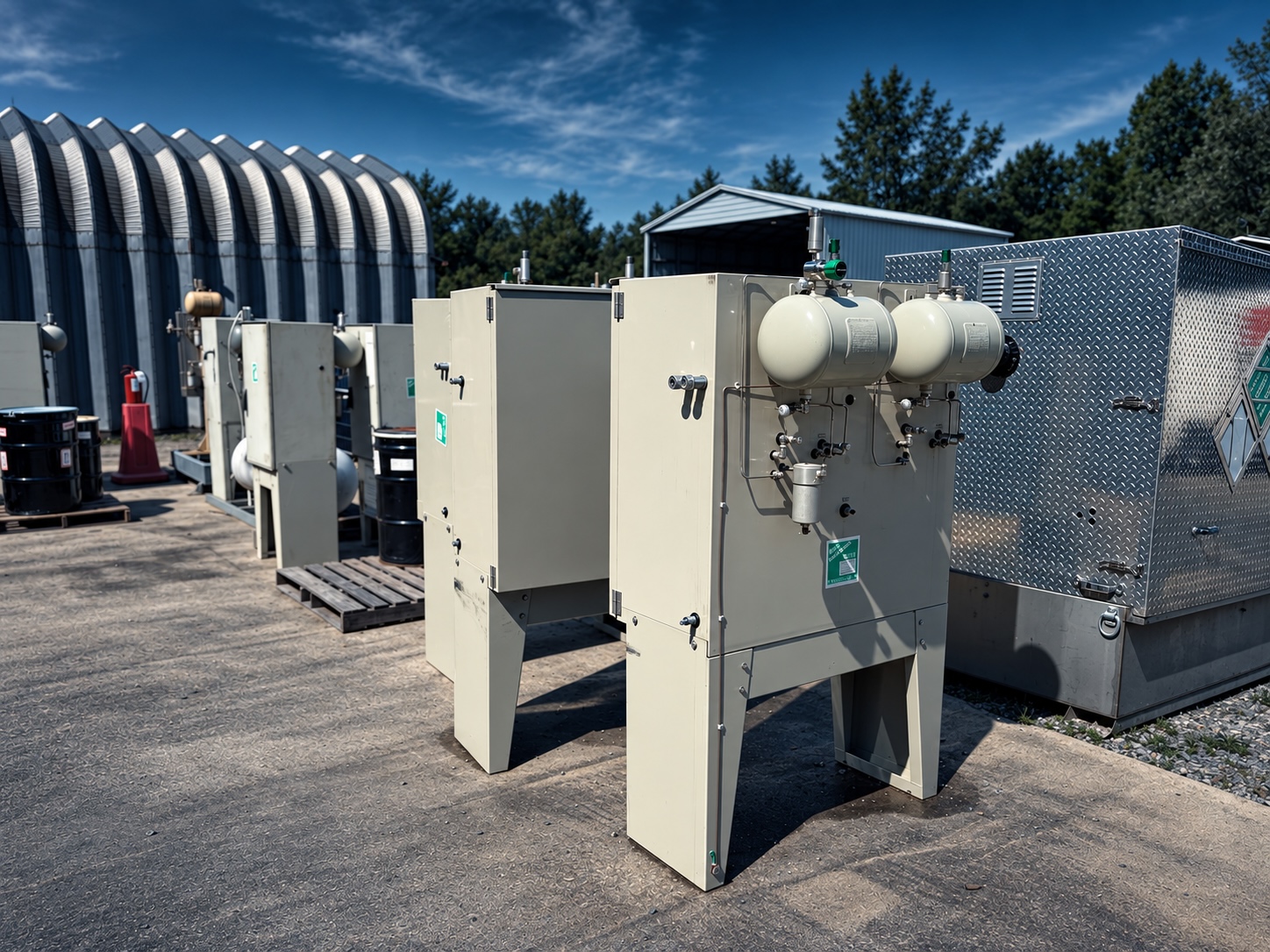
Maintenance frequency should reflect how the odorization system operates - equipment cycles, injection frequency, environmental conditions, gas quality, odorant condition, age, manufacturer recommendations and service history can all affect the appropriate interval, and a low-flow station cycling occasionally may have different needs than equipment injecting continuously at a high-duty location. MRR reviews the equipment and operating environment so preventative maintenance can focus on the components most likely to affect performance rather than applying the same scope to every station. This also helps operators distinguish routine maintenance needs from developing reliability or obsolescence issues.
Inspect, Service & Rebuild the System
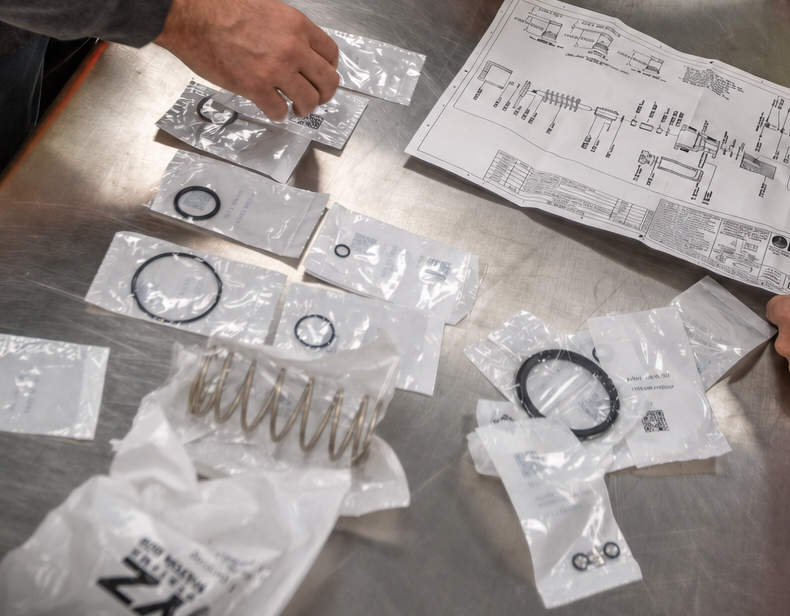
Depending on the equipment, MRR can inspect and service odorant pumps and injection assemblies, filters, solenoids and actuated valves, regulators and pressure-control equipment, relief components, tubing and fittings, tank-level indication, blanket-gas systems, controller settings, alarms, electrical and pneumatic components, telemetry, leak detection and odor-control equipment. Components are serviced, rebuilt or replaced according to condition, operating history and applicable manufacturer requirements. The field review can also identify issues outside the odorizer itself, including deteriorated tubing, leaking connections, contaminated odorant, inaccessible components or station configurations that make safe maintenance unnecessarily difficult.
2
3

Verify Performance and Plan the Next Step
Maintenance should finish with a functional system, not a collection of new parts. Following service, MRR verifies the operation of the equipment that was maintained and checks relevant controls, alarms, communications and injection functions available at the site, documenting observed deficiencies and recommended follow-up work so the operator can distinguish completed preventative maintenance from issues requiring repair, redesign or capital work. The same visit can help identify equipment approaching obsolescence and support planning for pump rebuilds, spare parts, control upgrades, filtration improvements, telemetry additions or eventual replacement, extending useful service life where the existing odorizer remains suitable.