Portable Flow Generation & Combustion
Flow When the Line Can't
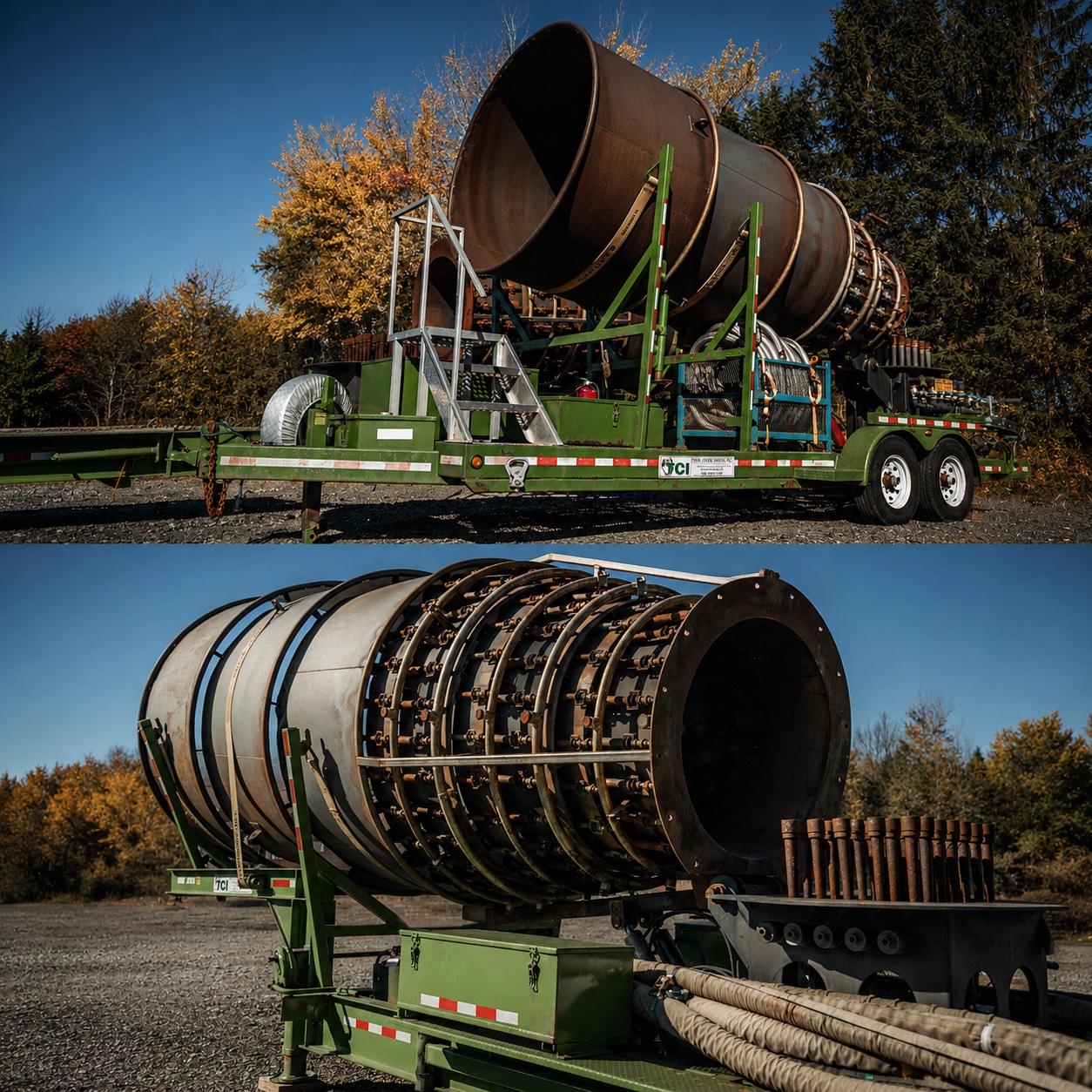
Plenty of pipeline work depends on flow the line itself can't supply: an inspection tool needs velocity to travel, a cleaning pig needs something behind it, or available pressure simply isn't enough to move what needs moving. Without flow, the work waits.
MRR brings the flow to the line. Portable compression moves gas from one section to another and can draw a line down well past where venting would stop, while mobile enclosed combustion destroys what can't be recovered, with no open flame and reduced direct venting compared to releasing raw gas to atmosphere. Equipment is trailer-mounted and mobilizes fast, so the work runs to your schedule. The same compression can also run in reverse to evacuate a line into slight vacuum, recovering gas that would otherwise be vented or flared, and the same equipment generates and maintains the flow inline inspection tools and cleaning pigs need to run correctly.
Flow on Demand, Less to Vent
Work Proceeds on Schedule
Inspection runs, cleaning, drying, and commissioning don't wait for system conditions to cooperate. Portable flow means the line is ready when your crews and inspection vendors are.
Gas Recovered, Not Released
Compression moves product into an adjacent system instead of releasing it, and pulls the line down further than venting or flaring reaches. Less gas lost, and less left to deal with.
No Flare Stack to Build
Enclosed combustion eliminates the flare stack, along with its installation and removal, the separator, and much of the permitting and notification that comes with it.
Generating Flow, Handling What Comes Out
1
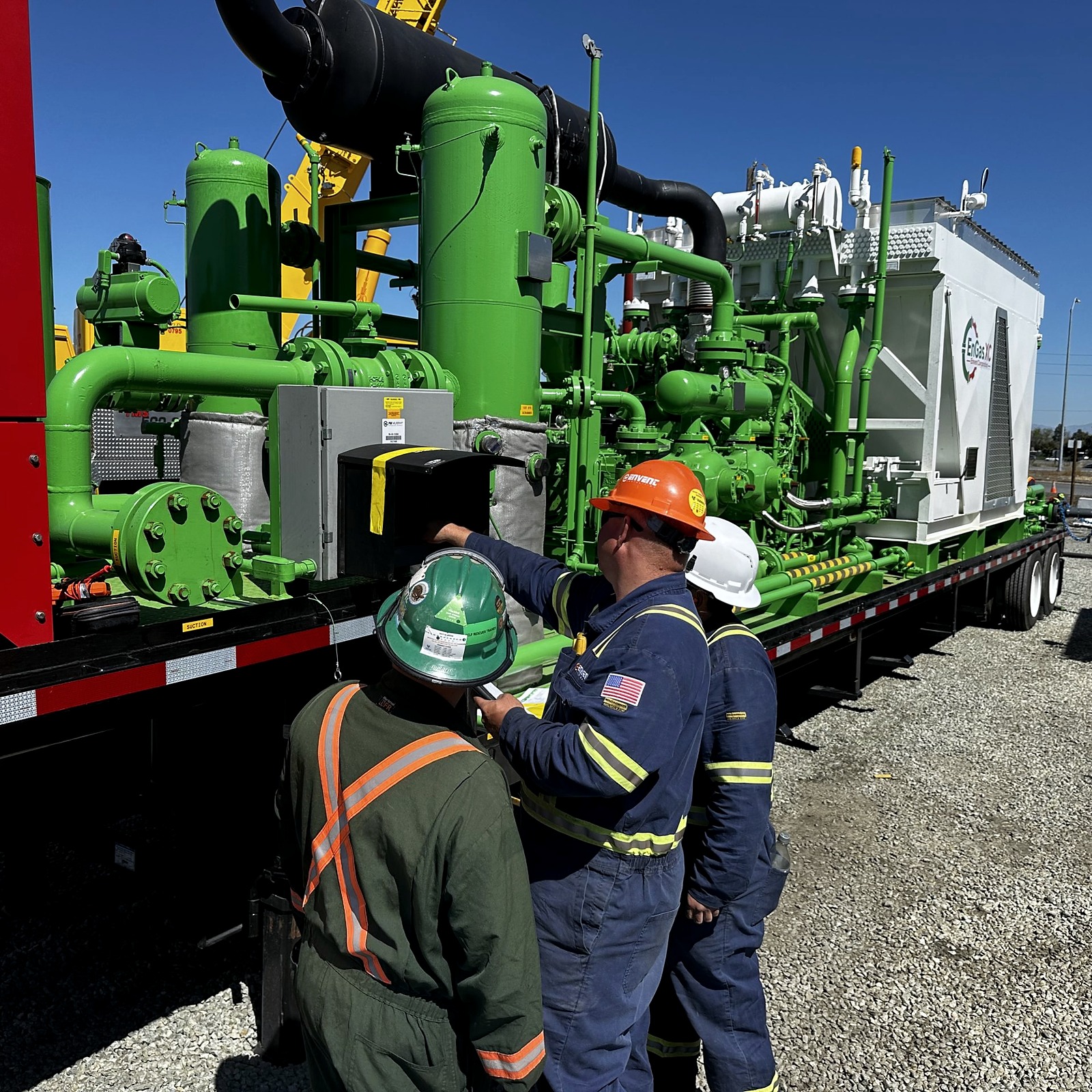
Cross Compression and Line Evacuation
Portable compressors pull gas from the line and route it into an adjacent system, drawing pressure down well past what venting alone would reach. The line comes down to working pressure on the schedule the work requires, not whenever it happens to bleed off on its own.
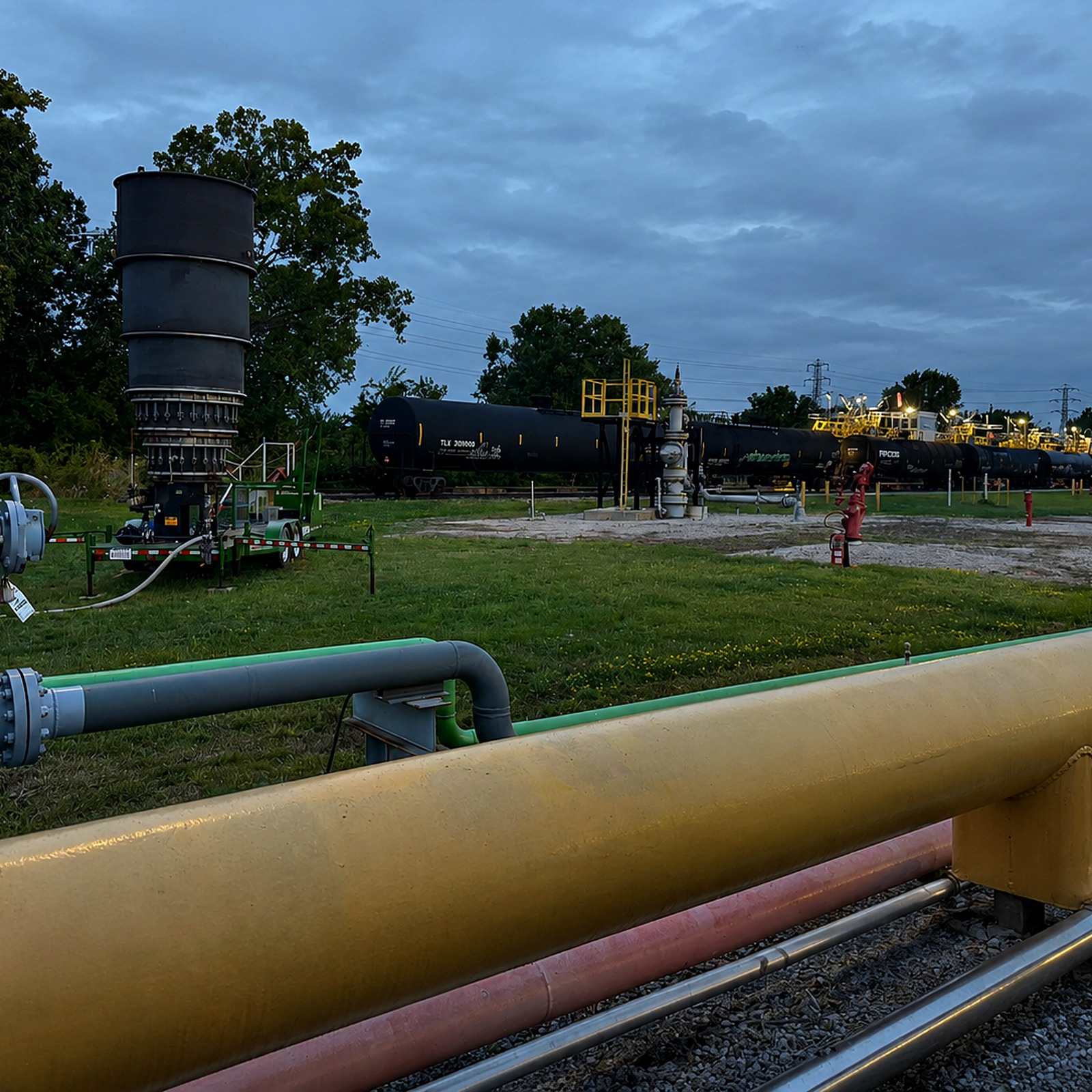
Mobile Enclosed Combustion
Gas that can't be recovered is routed to mobile enclosed combustion units rather than vented. Combustion happens inside the equipment, giving near-complete destruction with no open flame and greatly reduced smoke and odor, an advantage in populated areas, near facilities, or anywhere a visible burn would draw attention. The same equipment covers planned blowdowns, where the alternative is releasing gas straight to atmosphere.
2
3
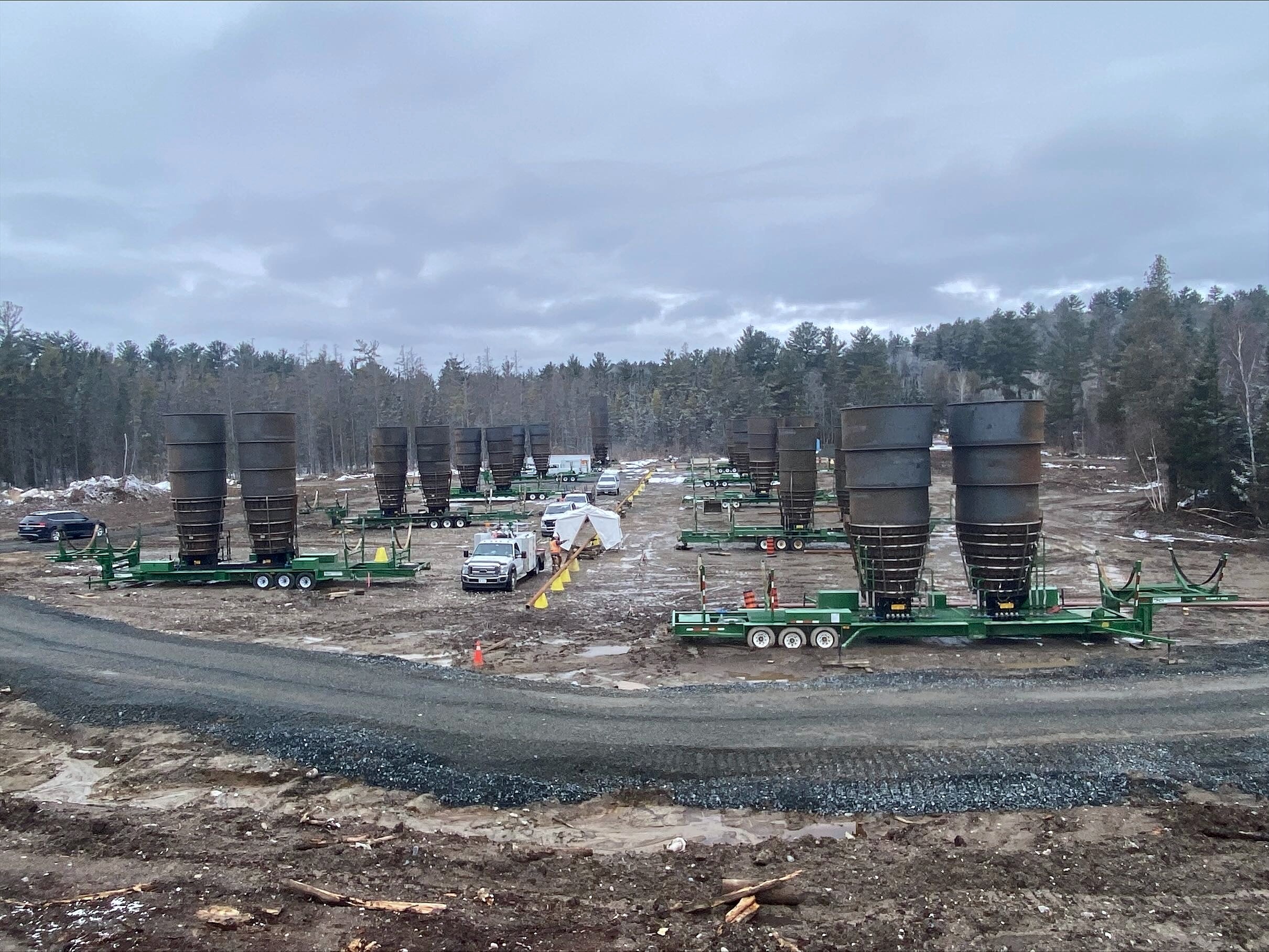
Inline Inspection and Pigging Support
Inspection tools and cleaning pigs both need flow to travel, and MRR's portable equipment supplies it on lines that can't generate enough on their own. The result is a line ready for the run when the schedule calls for it, not when conditions happen to allow it.