Natural Gas Odorant Supply & Delivery
Reliable Odorant Supply
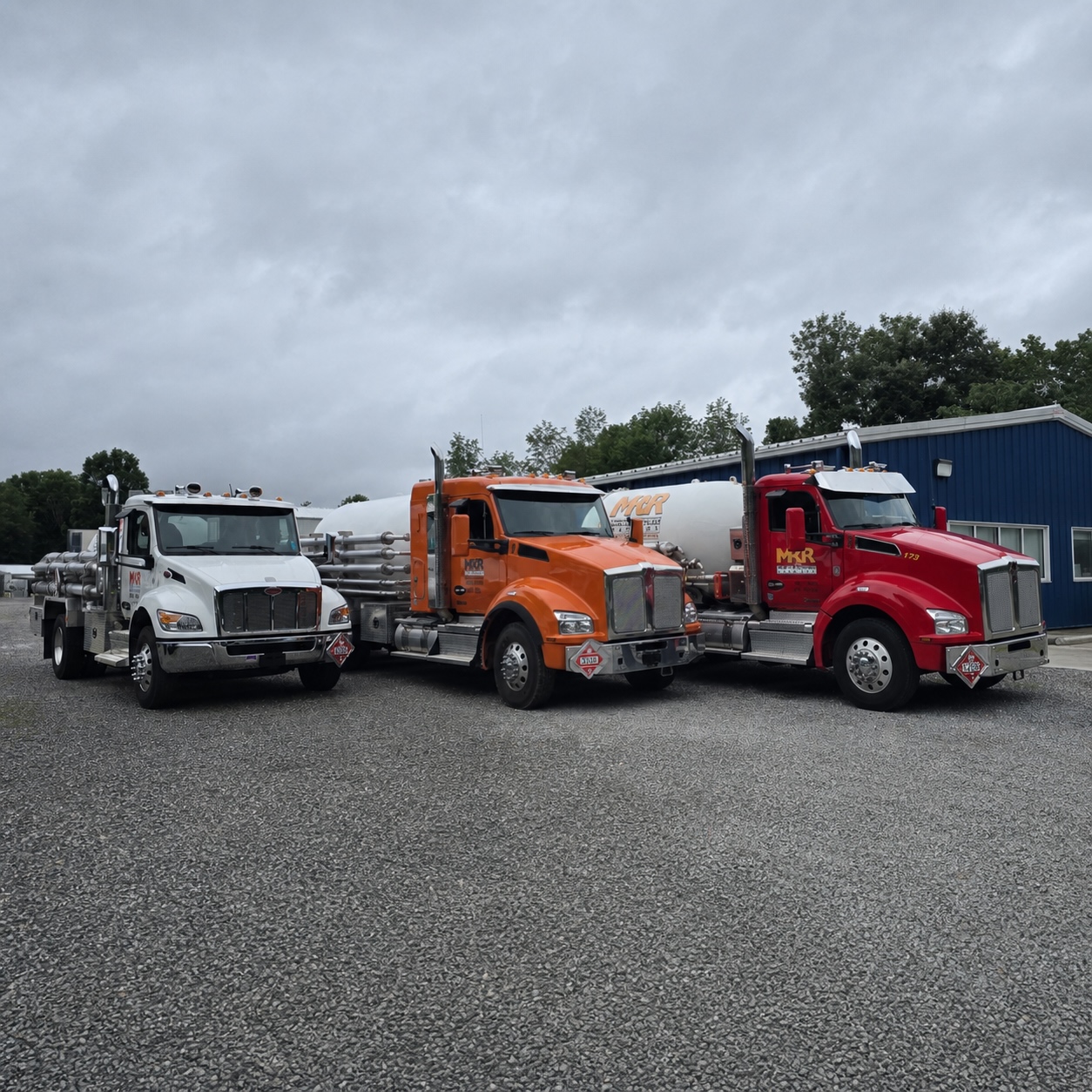
Odorant delivery is a critical part of keeping an odorization system in service. MRR supplies and delivers natural gas odorant to utility, pipeline, midstream, RNG and industrial sites using specialized equipment and technicians who work with mercaptan every day. Delivery planning considers the product, receiving-tank capacity, site access, connections, vapor management and the operating status of the odorization system before the truck arrives. From scheduled bulk replenishment to smaller container deliveries and project-specific odorant supply, the primary objective is simple: get the correct odorant to the site safely, reliably and with minimal disruption.
Odorant Delivery Management
Bulk & Container Delivery
MRR supports scheduled bulk replenishment and smaller-volume deliveries for permanent stations, temporary systems and project needs.
Specialized Odorant Handling
Deliveries are performed by crews familiar with mercaptan, receiving systems, vapor management, containment and odorization equipment.
Supply Continuity
Inventory planning and recurring delivery programs help operators replenish odorant before tank levels become an operating concern.
Odorant Supply From Planning Through Final Transfer
1
Plan the Delivery Around the Site
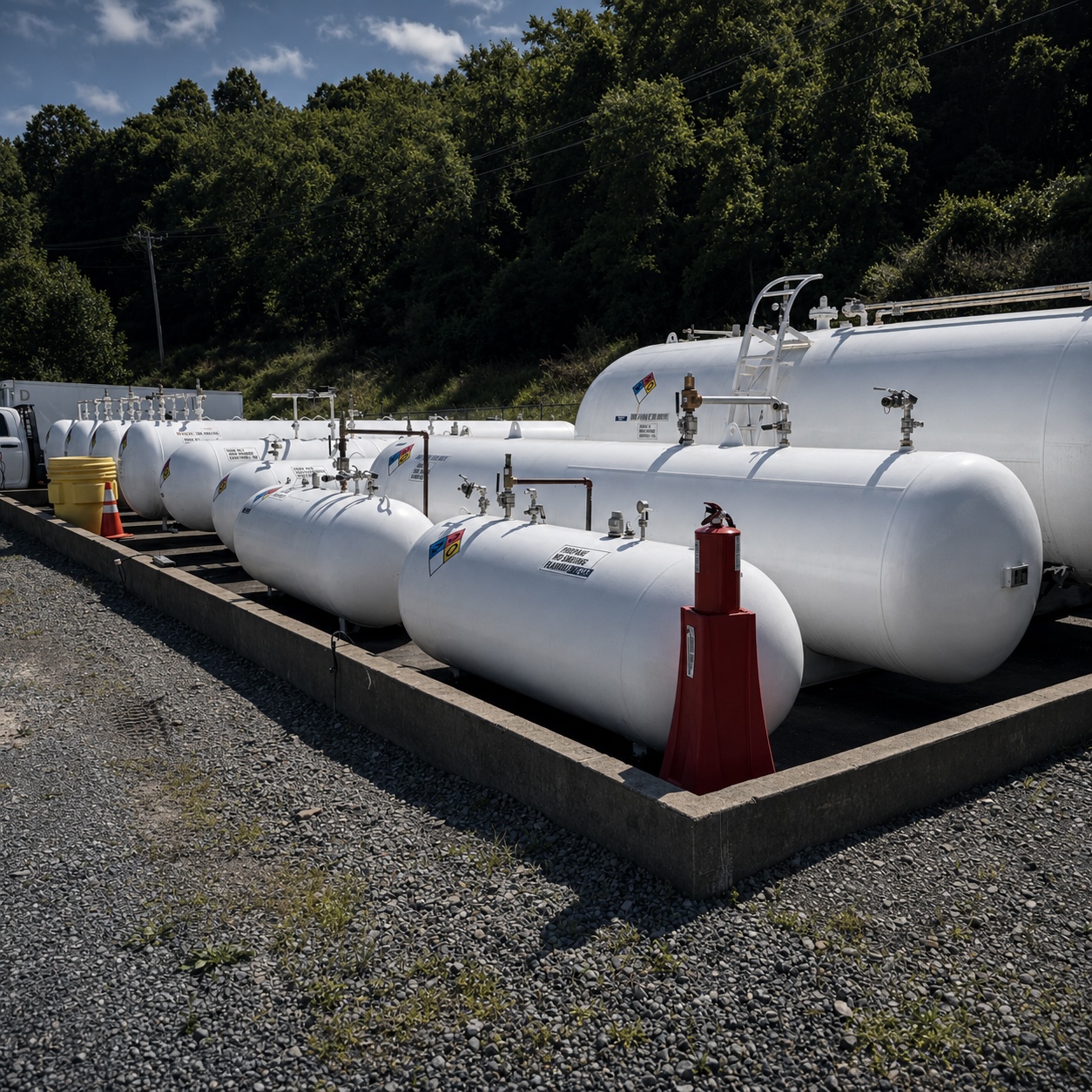
Reliable odorant delivery begins with confirming exactly what is being delivered and what will receive it. Before mobilization, MRR reviews the required odorant blend, requested quantity, available receiving capacity, tank configuration, existing inventory, site access, transfer connections, pressure conditions and operating status of the odorization system, supporting both bulk deliveries and smaller-volume container delivery where site access, tank size or demand makes that more practical. For temporary odorization, pipeline conditioning and commissioning projects, odorant supply can also be coordinated with equipment mobilization so the chemical, storage capacity and injection system arrive as part of one operating plan.
Execute a Controlled Delivery
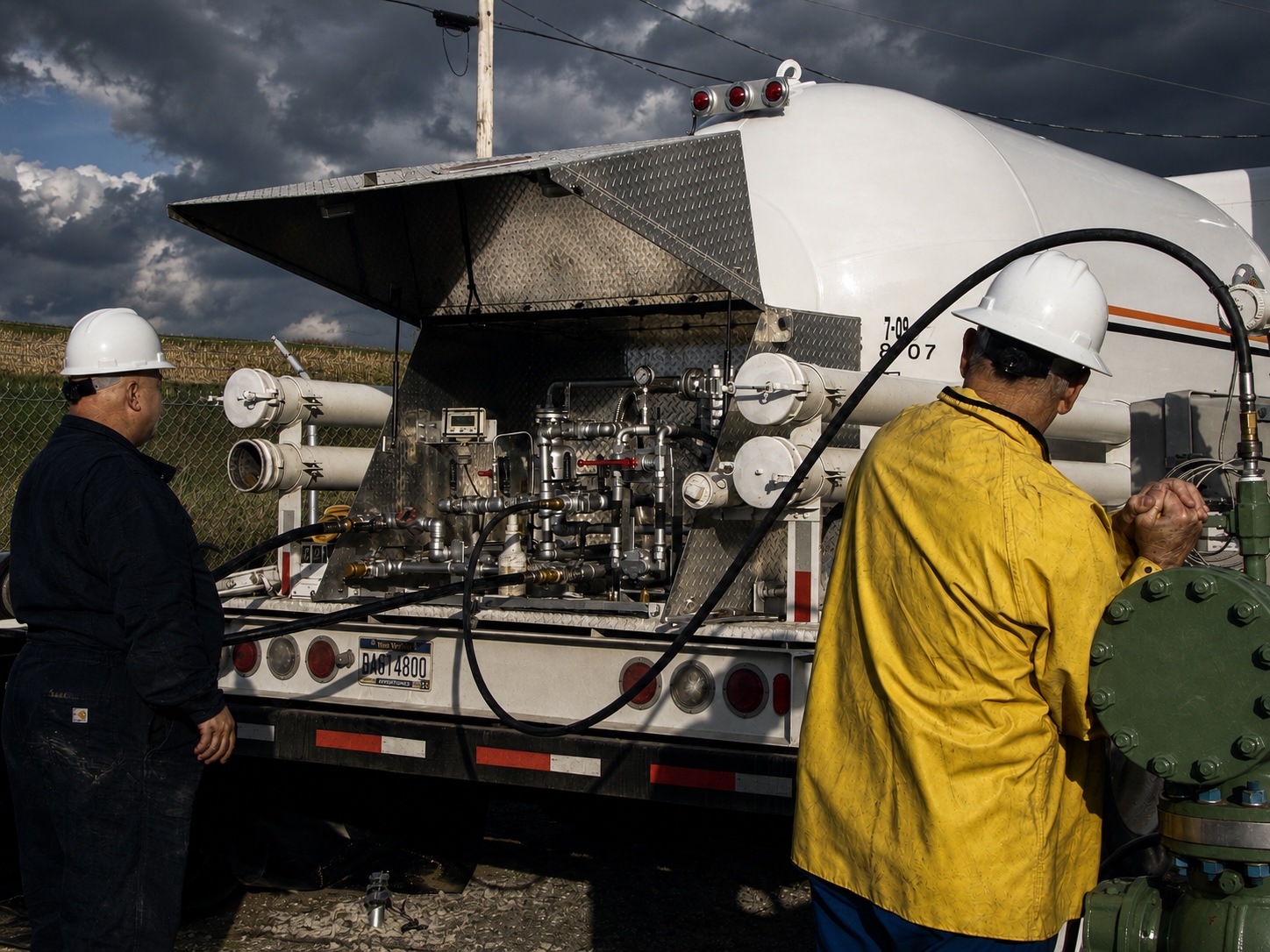
Natural gas odorant is not an ordinary chemical delivery - its volatility and extremely low odor threshold require careful connection, transfer and disconnection practices. Where the receiving system and equipment permit, MRR uses closed-loop or vapor-recovery techniques to manage displaced vapor during filling, with dedicated odorant hoses and fittings, secondary containment, filtration and vapor-management connections appropriate to the site. Throughout the delivery, the technician monitors the receiving equipment and available tank capacity so the transfer can be controlled, adjusted or stopped as conditions require.

2
3
Recurring Supply, Tank-to-Tank Transfer & Related Services
For operating stations, MRR can support recurring delivery programs based on tank capacity, historical consumption, expected gas demand and planned maintenance. Tank-to-tank transfer is an important supporting service when odorant needs to move between larger storage vessels, temporary systems, replacement equipment or smaller odorizers, and MRR can also coordinate odorant filtration, cylinder or container refill, and residual-product recovery associated with odorizer upgrades, decommissioning or temporary installations. Where product remains suitable for reuse, transferring it into the next system can reduce unnecessary disposal and replacement - delivery remains the core service, and transfer capabilities let MRR manage the odorant across more of its lifecycle.