Arida™ Odorant Drying
Wet Odorant In, Usable Odorant Out
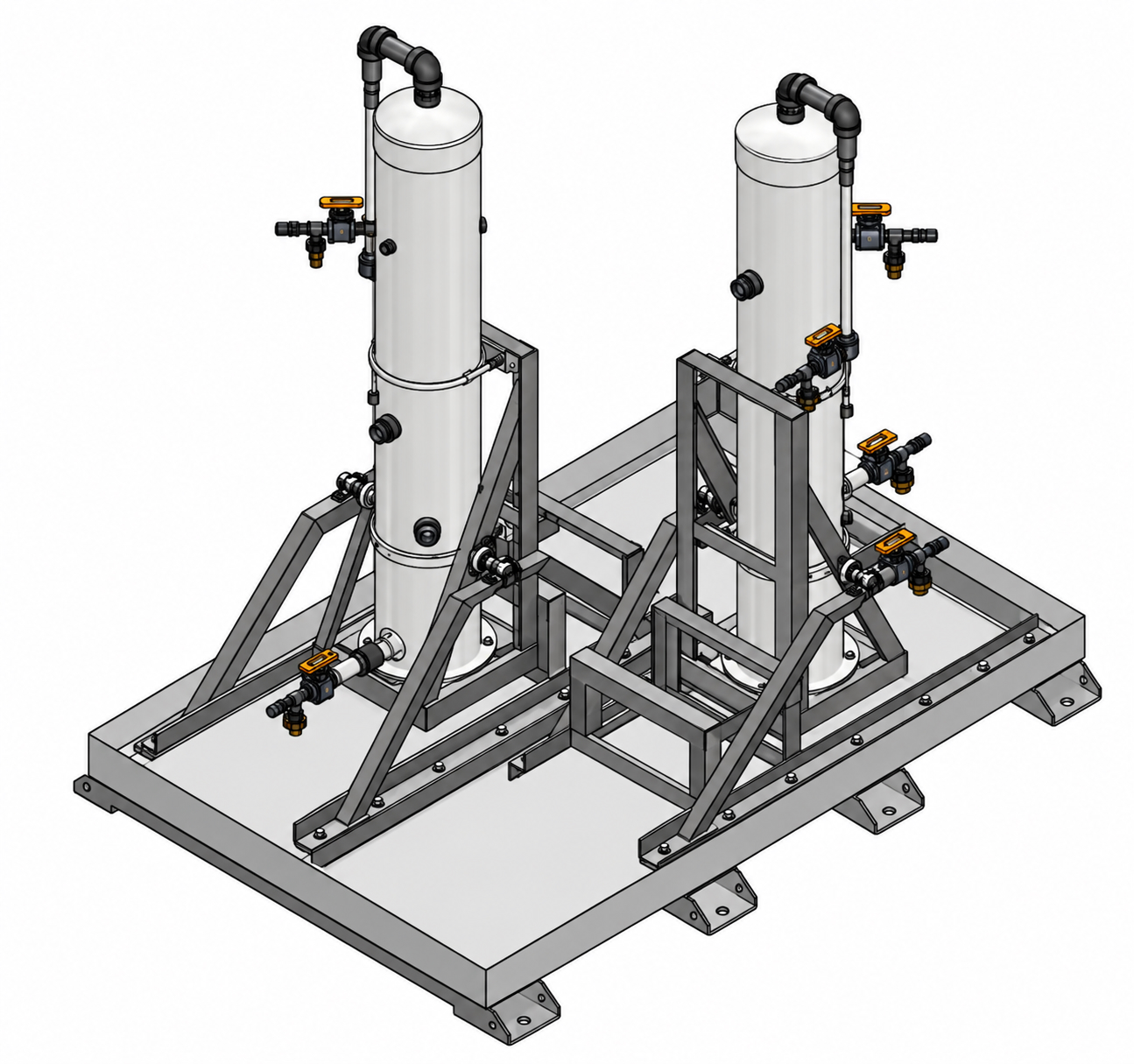
Moisture is one of the most expensive problems an odorant supply can have. Wet or contaminated odorant doses unevenly, causes odor complaints, and in systems prone to freezing it can shut down injection entirely in winter. The traditional answer has been costly: dispose of the product as hazardous waste and buy new.
Arida™, MRR's odorant drying service, offers a better option. MRR removes the moisture and contaminants on site and returns the odorant to usable condition, saving both the disposal fee and the replacement purchase, and keeping your odorization system running the way it was designed to. MRR evaluates the odorant's moisture content and condition, dries and filters it on site using the same contained, odor-controlled handling procedures used for every delivery and transfer, and tests the restored product against specification before it goes back into service.
Why Dry Instead of Dispose
Avoid Disposal and Replacement Costs
Wet odorant doesn't have to be written off. Drying restores it to serviceable condition, eliminating hazardous-waste disposal fees and the cost of replacement product in one step.
Protect Your System Through Winter
Excess moisture is what freezes. Removing it protects injection equipment through the cold months and keeps dosing consistent when reliable odorization matters most.
Cleaner System Performance
Moisture and contaminants degrade odor quality and stress equipment. Conditioned odorant supports accurate injection, stable odor levels, and fewer nuisance issues downstream.
From Wet Product to Working Odorant
1
Assessment
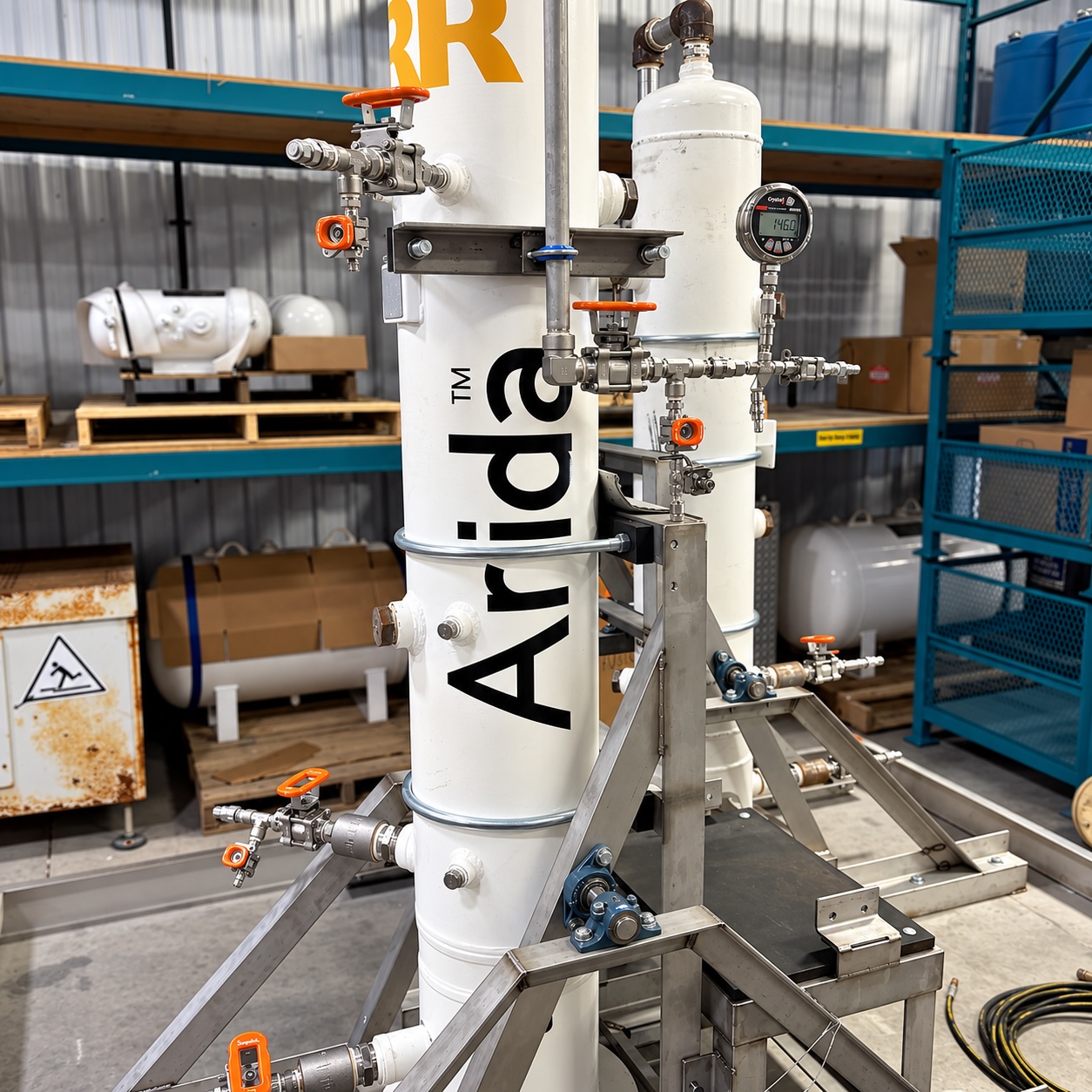
MRR begins by evaluating the condition of the odorant: moisture content, contamination, and how the product has been stored and handled. That assessment determines the right drying and filtration approach and confirms the product is a candidate for recovery rather than disposal.
Drying and Filtration
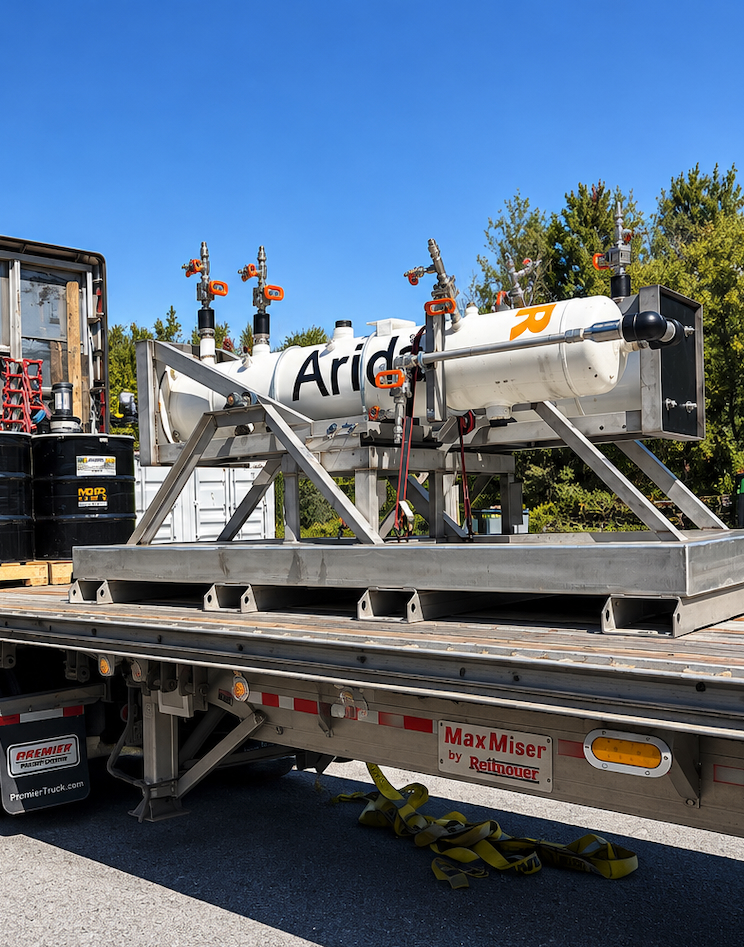
The odorant is dried and filtered on site using MRR's contained, odor-controlled handling procedures, the same discipline applied to every delivery and transfer. Moisture and contaminants come out; the odorant stays inside the system, with vapor release and site impact kept to a minimum.
2
3
Verification and Return to Service
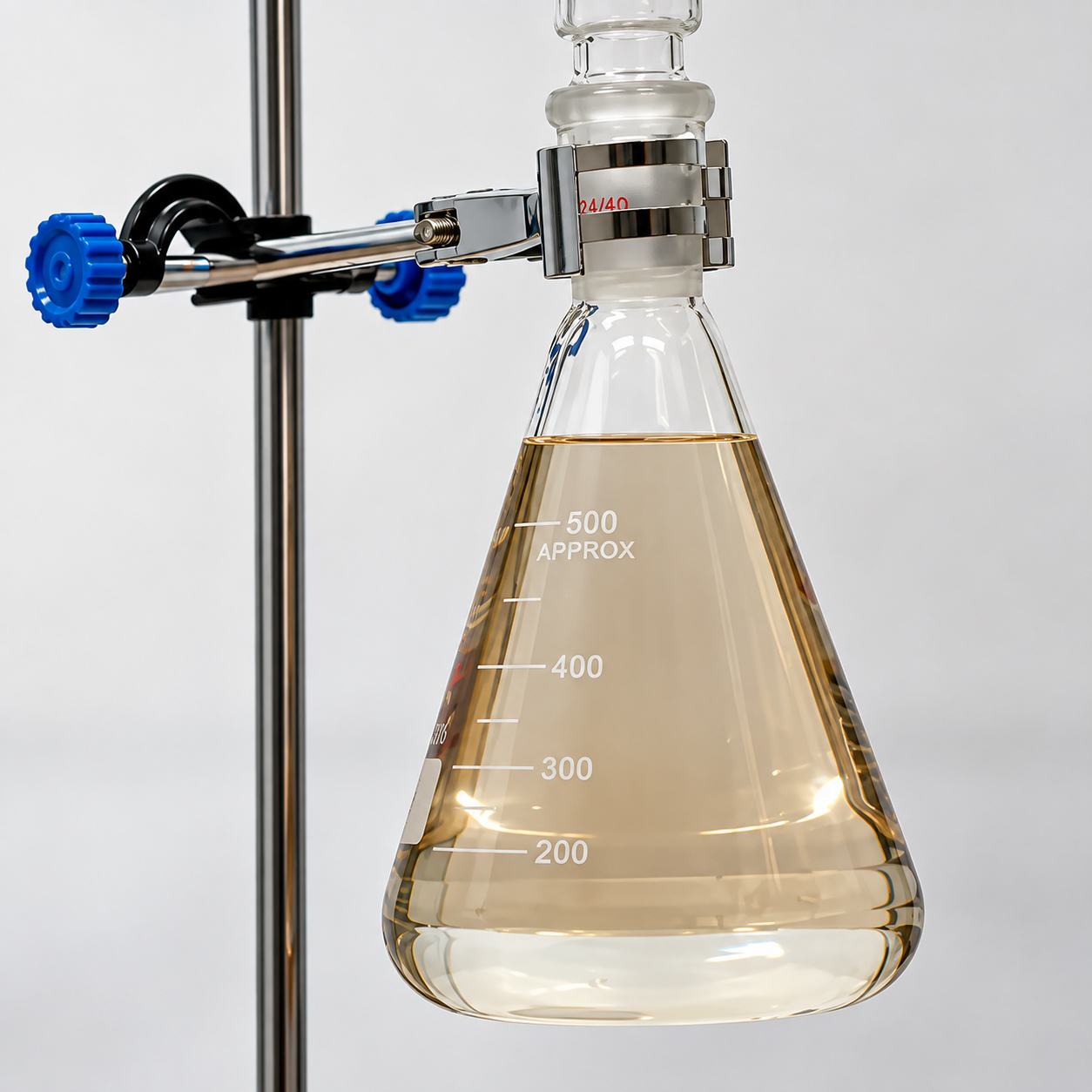
Before the odorant goes back into service, MRR tests it against specification and provides the documentation with the restored product. It returns to your tank ready to inject, with no question marks.